Law & Justice
ICE Detainees in Florida Face Possible Deportation to Africa Amid Health Concerns
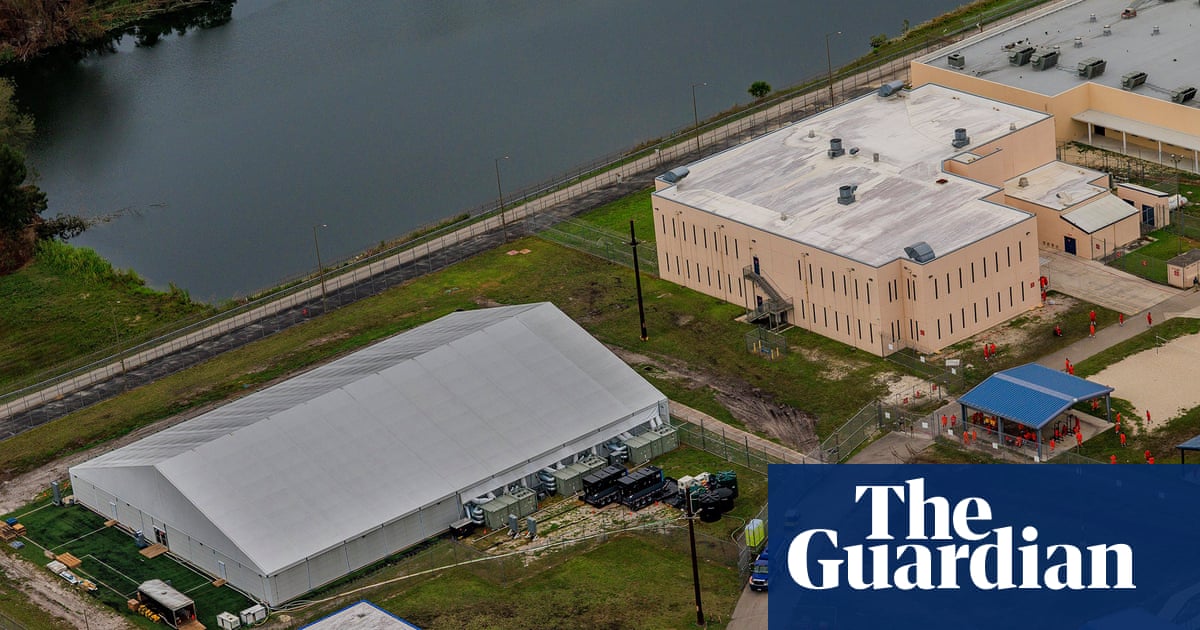
Relatives of seriously ill detainees at two Florida immigration jails say authorities are preparing to deport their loved ones to unknown African countries despite worsening medical conditions. Families and the Workers Circle, an immigration advocacy group that has monitored conditions and spoken with detainees in two ICE facilities in south Florida, report that flights are scheduled as early as Wednesday. The group said several sick detainees with varying conditions had been targeted for imminent deportation and learned about the operation only in the last few days. Arianne Betancourt, the group’s immigrant rights organizer, told a Tuesday night press conference that she received calls from detainees who were being interviewed by deportation agents. The detainees were informed that because of their medical conditions Mexico would not accept them and they would be sent to Africa. Betancourt said the detainees would not receive medical care in detention after deportation and would have difficulty obtaining medicine.
A Department of Homeland Security spokesperson, in a statement to the Guardian late Wednesday, called the story a false narrative designed to smear ICE workers amid a more than 1,600% increase in assaults against them. The spokesperson said no sick detainees are being deported and that all detainees are medically cleared before travel and leave with any necessary medications.
The affected detainees are at the Krome North processing center in Miami, which a government inspector’s report last month found to be severely overcrowded, and the Broward transitional center in Pompano Beach. Both facilities are privately run on behalf of ICE.
Anisley Cortés, the wife of Noslén Sendra, a 41‑year‑old Cuban national, said her husband has been incarcerated since last November, first at the now closed “Alligator Alcatraz” immigration jail and at Krome since April. She said he has uncontrolled diabetes and acute pancreatitis that resulted in a week‑long hospital stay earlier this year. Cortés said he lost over 50 pounds, was not given his medication, and was not given enough food. She added that Cuba will not accept him as a deportee and that Mexico will not accept him because he is so sick. She said he was told that because he could not be accepted at either of those two countries, they would send him to Africa.
Immigration rights attorney Shalyn Fluharty said information from the detainees indicated deportation flights were imminent. She said that within a couple of days, likely Thursday and Friday, there will be two flights to Africa, specifically to the Central African Republic and Burundi. Fluharty said previously deported immigrants were shackled at their hands, ankles and waist during lengthy flights, and some who complained were placed in full body wraps with no ability to move. She warned that travel can last up to 24 hours and that individuals with heart conditions, high risk of stroke, diabetes or other medical needs could face life‑threatening situations.
The DHS statement said Sendra was “a criminal illegal alien from Cuba convicted of fraud, larceny, and property crimes” and “has been consistently cleared and discharged from the hospital following medical evaluation.” It added that he was ordered removed from the US in September 2015 and that third‑country removals are an essential public safety tool that remove the most dangerous criminal illegal aliens from U.S. streets. The spokesperson said illegal aliens being sent to a third country receive notice and assurances prior to their removal and that the Department of State is given diplomatic assurances from destination countries that the illegal aliens will be safe.
Betancourt said families risk retaliation for their relatives by coming forward. She said the inspector general’s report confirmed a lack of medical care inside the Krome detention facility and that families have been demanding oversight. During two unannounced visits to Krome in May, government inspectors found multiple violations of detention standards, including severe overcrowding. Holding 1,102 detainees in a facility with a maximum capacity of 882, the report said the situation “jeopardizes the safe and orderly operations within the facility.” Other violations included an inadequate number of operational toilets, sinks and showers, and complaints that female detainees were made to use toilets in full view of men and that arriving detainees were held for more than 24 hours in a bus in the parking lot because of a lack of space.
Advocates say Donald Trump’s sweeping second‑term immigration crackdown has caused overcrowding in detention centers nationwide that the DHS has attempted to alleviate by ramping up deportation flights to so‑called third countries. The controversial practice, approved by the U.S. Supreme Court last month, has seen hundreds of detainees deported to at least a dozen African countries where they have no ties. A Human Rights Watch report earlier this month found countless examples of abusive treatment during and after the flights, and detainees subjected to persecution, arbitrary incarceration and torture following their arrival.