Climate & Environment
Haze Returns as Economic Incentives Fail to Discourage Land‑Clearing Fires
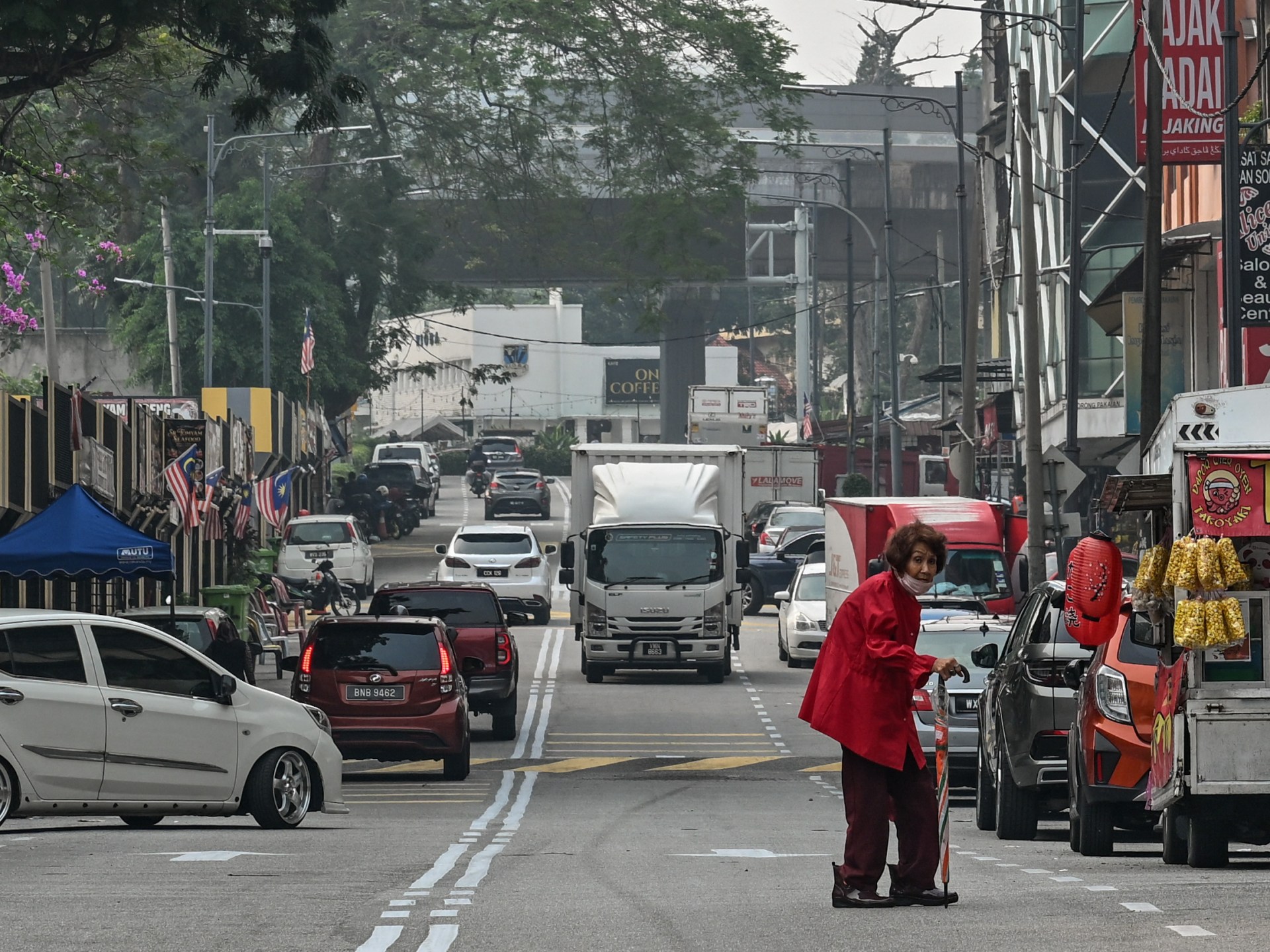
Across Southeast Asia, haze has returned with familiar severity. Malaysia has closed schools as air quality worsened, Singapore has experienced dangerous pollution levels, and parts of the Philippines have been affected, showing how far the smoke travels. In Indonesia, forest and peatland fires—major haze sources—have threatened communities and livelihoods, especially in Kalimantan. Fires that start in one country can become a public‑health emergency for the entire region. The usual response—extinguishing fires, distributing masks, and seeking regional cooperation—does not explain why the crisis recurs.
Many fires are deliberately started to clear land for agriculture. The private calculation is simple: spend less on land preparation and capture the returns. The fires cause respiratory illness, lost working days, school closures, transport disruption, ecosystem damage and greenhouse‑gas releases. Those costs are rarely borne in full by those responsible for the burning.
The World Bank estimated that Indonesia’s 2015 fire crisis caused losses of at least $16.1 billion, 1.9 % of that year’s GDP. Government figures put the area burned between June and October at 2.6 million hectares. The bank linked the fires to cheap land preparation, drought and weak enforcement. Its estimate covered agriculture, trade, tourism, transport, healthcare and emergency response but excluded some long‑term health damage and lost ecosystem services.
More recent estimates place the area burned in Indonesia this year at between 637,000 and 900,000 hectares. Ministry of Health data recorded 283,270 cases of respiratory illness linked to the fires in seven provinces as of 13 October. In West Kalimantan province, fires have also threatened communities and livelihoods, underscoring that Indonesians living beside the flames bear costs long before smoke reaches neighbouring countries.
The central economic distortion is that the cost of burning is not fully reflected in the decision to burn. When benefits accrue privately but health costs, lost income and ecological damage are borne by society, fire can remain economically attractive even when its total cost is enormous. Small farmers need affordable, practical alternatives to burning; companies must face credible liability when evidence links them to fires; and peatlands need sustained restoration and water management, not emergency attention only when smoke becomes politically embarrassing.
Responsibility and enforcement remain largely national. Tracing pollution to a particular fire, identifying those responsible and proving cross‑border harm can be difficult. A satellite hotspot is a warning signal, but not proof of who started a fire or whether a company is liable. ASEAN signed its Agreement on Transboundary Haze Pollution in 2002 and entered into force in 2003; Indonesia ratified it in 2014. The region also has a Haze‑Free Roadmap and a strategy for sustainable peatland management for 2023‑30. Agreements cannot substitute consistent implementation, transparent enforcement or incentives that make prevention economically rational.
ASEAN’s investment framework for haze‑free land management aims to mobilise $1.5 billion by 2030, but money alone will not suffice without transparent spending, measurable outcomes and accountability for repeated fires. Accountability requires investigations that identify those responsible and distinguish proven violations from suspicion. Blanket blame lets offenders disappear into arguments about sovereignty, while a lack of transparent evidence erodes trust between neighbours.
Foreign ministers are due to discuss the haze crisis at preparatory meetings before the bloc’s November summit in Manila. Their discussions should be judged by whether they shift the region from managing haze to preventing it. First, member states should publish comparable data on burned areas, fire recurrence, concessions and enforcement outcomes. Satellite detections should be cross‑checked with field investigations, and concession maps should be made available for scrutiny by communities and independent researchers. Greater transparency would make it harder to obscure responsibility through competing claims.
Second, governments should put the polluter‑pay principle into practice. Where investigations establish responsibility, penalties and restoration orders should reflect the damage caused, while repeat violations should trigger stronger consequences. Environmental liability must be evidence‑based and applied consistently, not used as a political weapon. Penalties must also be substantial enough to deter violations rather than simply become a cost of doing business.
Third, prevention must be economically viable. Smallholders need machinery, technical assistance, credit and access to markets to make alternatives to burning affordable. Peatland rewetting, firebreaks and community‑based monitoring require predictable funding before the dry season, rather than ad‑hoc budgets after fires spread. ASEAN’s investment framework can help mobilise resources, but governments should disclose where funds go and assess their impact on reductions in fires and smoke exposure.
Finally, ASEAN should publish a regional scorecard tied to its 2030 haze‑free goal. It should track not only hotspots and hectares burned, but also repeat fires, response times, enforcement, peatland restoration, school closures and population exposure to dangerous air. No regional mechanism can replace Indonesia’s responsibility to prevent fires on its territory. But sovereignty cannot mean that the costs of domestic land‑use decisions are ignored once smoke crosses a border. The principle should be simple: those who profit from risky practices must not be allowed to transfer the bill to children missing school, workers losing wages, sick families or neighbouring states.
For more than two decades, ASEAN has had agreements, strategies and roadmaps. The haze’s return does not make these efforts worthless; it shows prevention remains inadequate. If leaders leave November’s meetings with another declaration but no transparent metrics, credible enforcement and funding for alternatives, the region will once again treat the symptoms while preserving the incentives that produce them. Economic accountability is not an add‑on to haze policy. It is the condition for making that policy work.
The views expressed in this article are the author’s own and do not necessarily reflect Al Jazeera’s editorial stance.
Frequently asked questions
How much did Indonesia's 2015 fire crisis cost the country?
At least $16.1 billion, 1.9% of GDP.
How many hectares of Indonesia were burned in 2024?
Between 637,000 and 900,000 hectares.
How many respiratory illness cases were linked to fires in Indonesia as of 13 October?
283,270 cases in seven provinces.