India
India Shifts Ethanol Procurement to Grain, Excludes Sugar‑Based Feedstocks for 2026‑27
By Vijay C Roy, Rituraj Baruah
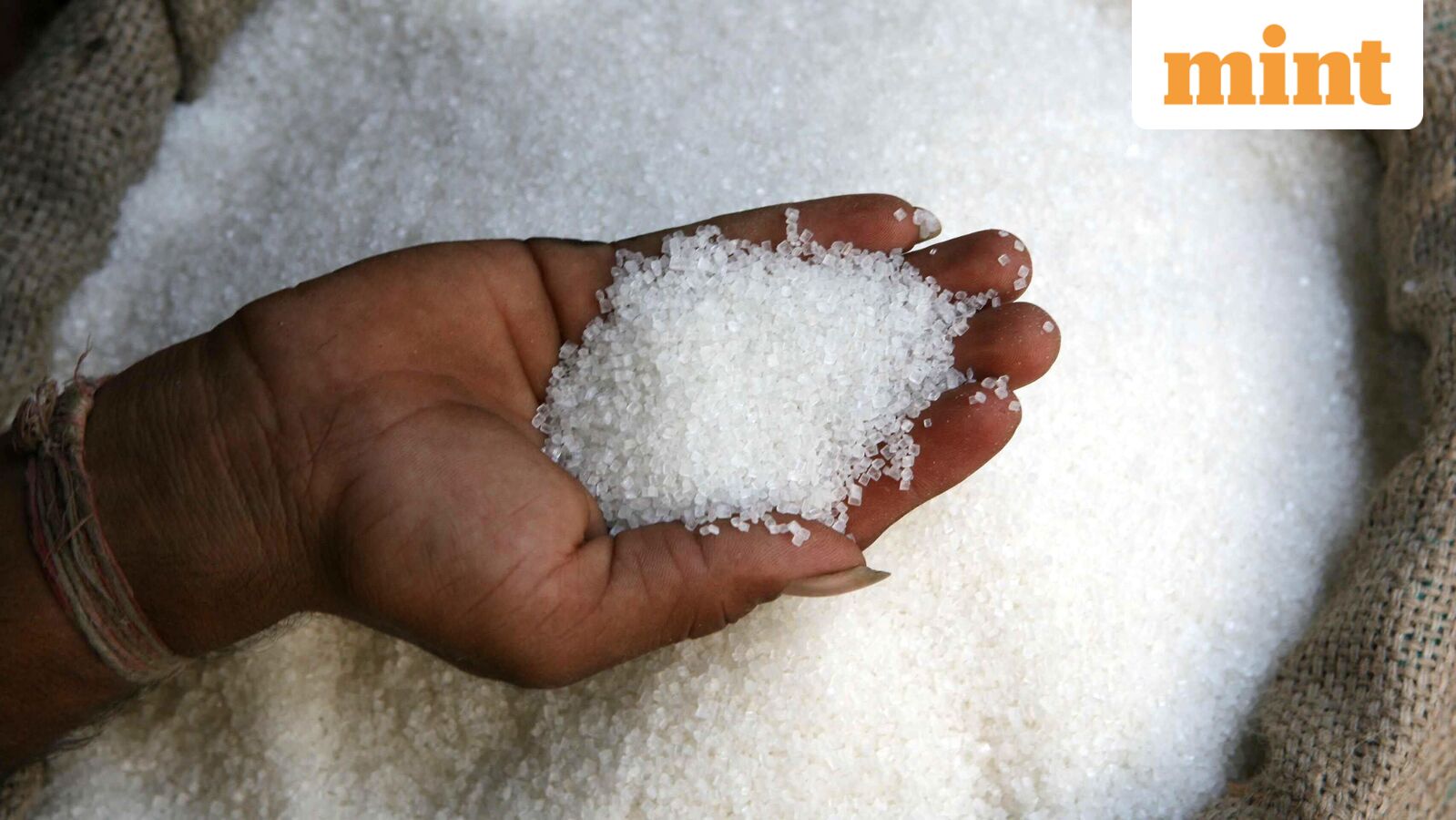
The Indian government has announced that it will mainly procure grain‑based ethanol for its petrol‑blending programme for the 2026‑27 supply year, in order to curb the diversion of sugarcane and support domestic sugar production amid a decline in sugarcane acreage. State‑run oil marketing companies have omitted ethanol produced from sugarcane juice, sugar syrup and B‑heavy molasses from the latest procurement tender, which was issued on 16 October by Bharat Petroleum Corporation Ltd on behalf of other oil marketing companies. The tender seeks bids for about 11 billion litres of ethanol to meet a 20 % blending requirement. Under the current tender, only ethanol from maize, broken rice, surplus rice procured by the Food Corporation of India and C‑heavy molasses is eligible. The government’s directive states that sugar diversion for ethanol should be reduced to zero for the 2026‑27 supply year.
Sugar mills have urged the government to keep sugar‑based feedstocks in future procurement cycles, warning that a prolonged exclusion could hurt their finances when sugar production rises and prices fall sharply. The Indian Sugar & Bio‑energy Manufacturers Association (ISMA) has expressed concern that the preferential procurement of ethanol from Dedicated Ethanol Plants holding long‑term offtake agreements could limit mills’ participation in tenders, especially during surplus production periods when diverting excess sugar to ethanol helps support domestic prices and mill revenues. ISMA also called for a revision of the procurement price for C‑heavy molasses‑based ethanol, which remains at ₹57.97 per litre, and for the allocation of the entire quantity offered by the sugar industry.
The All India Distillers’ Association (AIDA) noted that balancing feedstock availability, food security, farmer interests and energy security is crucial amid uncertain agricultural conditions, including the potential impact of El Niño on monsoon patterns. AIDA’s president Vijendra Singh said that maintaining a diversified feedstock base is essential for the resilience and long‑term sustainability of India’s ethanol programme.
Agriculture ministry data show that India’s sugarcane acreage fell by 26,000 hectares to 5.86 million hectares in 2026‑27 compared with 2025‑26. Sugar production in the 2025‑26 season was around 28 million tonnes, and annual consumption is estimated at 28–28.5 million tonnes. Institutional consumers such as food and beverage companies, hotels, restaurants and processed foods account for 60–65 % of total demand, with the remainder coming from retail households.
Frequently asked questions
Which ethanol feedstocks are eligible for the 2026‑27 procurement tender?
Ethanol from maize, broken rice, surplus rice procured by the Food Corporation of India, and C‑heavy molasses.
When was the procurement tender issued and by which company?
The tender was issued on 16 October by Bharat Petroleum Corporation Ltd on behalf of other oil marketing companies.
What is the target volume and blending requirement for the 2026‑27 ethanol procurement?
The tender seeks bids for about 11 billion litres of ethanol to meet a 20 % blending requirement.