India
Adani‑run Mumbai Airport to Enforce 5‑Million Passenger Capacity Cut, Airlines Reject Relocation
By Abhishek Law
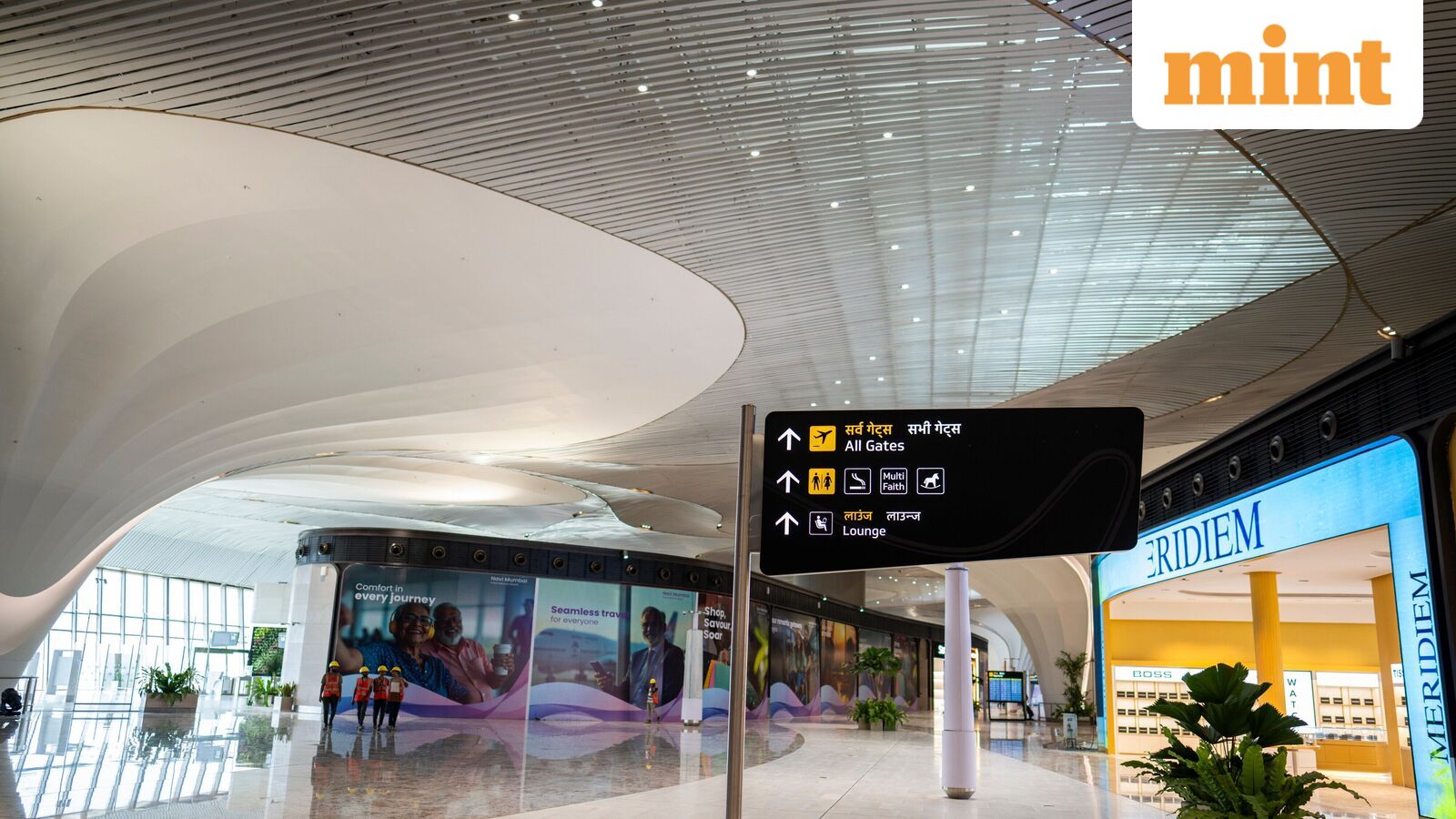
Mumbai International Airport Ltd (MIAL), operated by Adani Airport Holdings Ltd, has confirmed that it will impose a capacity restriction equivalent to 5 million passengers per year from the summer 2027 schedule in April, leaving airlines to decide how to adjust their operations. The operator said airlines could shift some or all of their operations to the Navi Mumbai International Airport (NMIA), temporarily suspend operations at Chhatrapati Shivaji Maharaj International Airport (CSMIA) until Terminal 1 reopens in 2030, or explore other alternatives. The restriction will take effect from the S27 schedule, and MIAL said historic slots would be restored once Terminal 1 is redeveloped.
Airlines, represented by the Airline Operators Committee (AOC), have not agreed to move international operations to NMIA or surrender slots at CSMIA. In an email on 17 October, the AOC rejected any suggestion that individual consultations amounted to acceptance of the relocation plan and asked MIAL to confirm that no unilateral action affecting traffic allocation or airline slots would be taken pending meaningful consultation and regulatory compliance. The AOC said it had not agreed to the proposed transfer of international operations or to any reduction or cancellation of its allocated slots.
The airlines also questioned the need for the capacity restrictions, arguing that MIAL has not provided sufficient evidence to justify reducing or cancelling slots. They demanded verifiable capacity assessments, operational data and a clear, evidence‑based justification. The committee pointed out that Terminal 1 currently handles less than 10 million passengers per annum (mppa) out of a total of 15 million, and that Terminal 2 is expected to add 5 mppa by March. It also cited Mumbai airport’s handling of nearly 55 million passengers in FY26, including 38 million domestic and nearly 17 million international.
The AOC has requested a comprehensive Terminal 1 refurbishment plan, including scope, structural safety assessment, implementation phases, timelines, terminal‑wise capacity and utilisation data, and arrangements to accommodate traffic during the work. It also urged MIAL to comply with the civil aviation ministry’s slot‑allocation guidelines issued in May 2013 and the International Air Transport Association’s Worldwide Airport Slot Guidelines.
The dispute began after MIAL proposed temporarily discontinuing 265 of 770 weekly international departure slots at Terminal 2 from 25 October, citing the planned redevelopment of Terminal 1 from January. The plan would have affected 46 airlines. Airlines opposed the proposal, prompting the civil aviation ministry to intervene and pause the plan. At least two airlines, Air France‑KLM and Emirates, have been vocal in pointing out that splitting operations between the two airports was not viable. Emirates cited the lack of an ecosystem, including ground‑handlers and catering, at NMIA, while Air France‑KLM said there was no separate catchment area for it.
A meeting on 13 October discussed alternatives but no agreement on relocating operations was reached. The next meeting on 28 October is expected to provide another opportunity to resolve the impasse.