Climate & Environment
Indonesia Tests Dry Ice to Clear South Sumatra Haze
By Kate Lamb
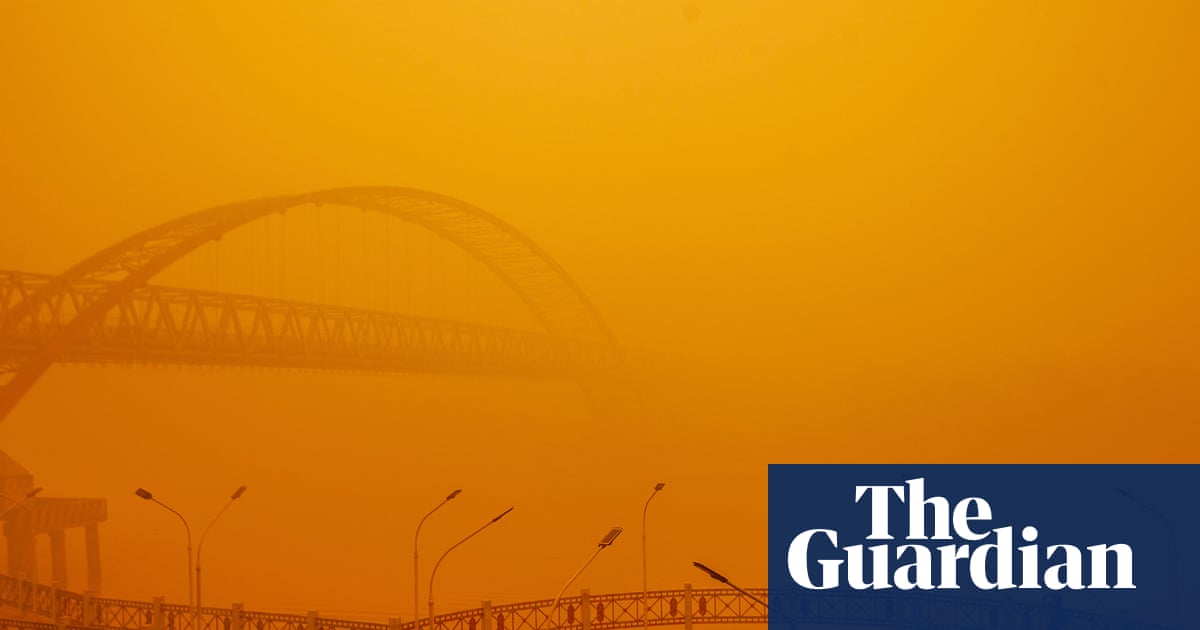
Indonesia is experimenting with a new method to reduce the toxic haze that has affected the region and its neighbours. Coordinating security minister Dudung Abdurachman said the government will drop dry ice on South Sumatra on Thursday, under a direct instruction from President Prabowo Subianto. The trial will be observed for effectiveness, and if successful, the technique could be used elsewhere.
Since January, nearly 900,000 hectares of Indonesia have burned, the worst fire season in more than a decade. The fires are intensified by the 2024 El‑Niño and the continued use of slash‑and‑burn for crops such as palm oil. The smoke has caused thick, tangerine‑hazed skies, leading to respiratory illness for tens of thousands of Indonesians and prompting a class‑action lawsuit alleging “gross negligence.”
Neighbouring countries have also suffered. Singapore announced subsidies for haze‑related medical treatment and began distributing N95 masks. Timor‑Leste will close schools for three days and advise families to keep children indoors or use respiratory protection. Malaysia and the Philippines have reported reduced air quality, school closures, flight cancellations, and increased respiratory cases.
On Thursday, a Cessna aircraft is scheduled to disperse 1.5 tons of dry ice over Palembang, the capital of South Sumatra, in an attempt to improve air quality and visibility. The technique, originally used in the 1940s to promote ice formation in clouds, may offer only limited, local relief, according to experts.
Rick McRae, an adjunct professor at the University of New South Wales’ bushfire research group, explained that while dry ice could temporarily clear smoke in a town, prevailing east‑to‑west weather patterns would continually bring new haze. He added that the method would not provide a permanent solution.
In central Kalimantan, the ISPU air‑pollution index reached 1,200 on Wednesday, four times the hazardous level of 300, according to the environment ministry. Local footage showed thick haze over Palangka Raya, severely reducing visibility.
President Subianto has ordered intensified firefighting efforts and a crackdown on suspected arsonists, but the fires—especially in peatland areas that can burn underground for weeks—remain difficult to extinguish. McRae warned that climate change could make the problem a global issue, highlighting the interconnected nature of the haze crisis.
Frequently asked questions
What is the purpose of Indonesia's dry ice trial?
To temporarily clear smoke and improve air quality and visibility in South Sumatra during the worst fire season.
How much dry ice will be dropped?
1.5 tons of dry ice will be dispersed over Palembang.
What are the expected limitations of the dry ice method?
Experts say it may offer only limited, local relief and will not provide a permanent solution due to prevailing east‑to‑west weather patterns.