India
India Plans 20‑25 Year Strategy to Reduce Tech Dependence, Not Full Self‑Sufficiency
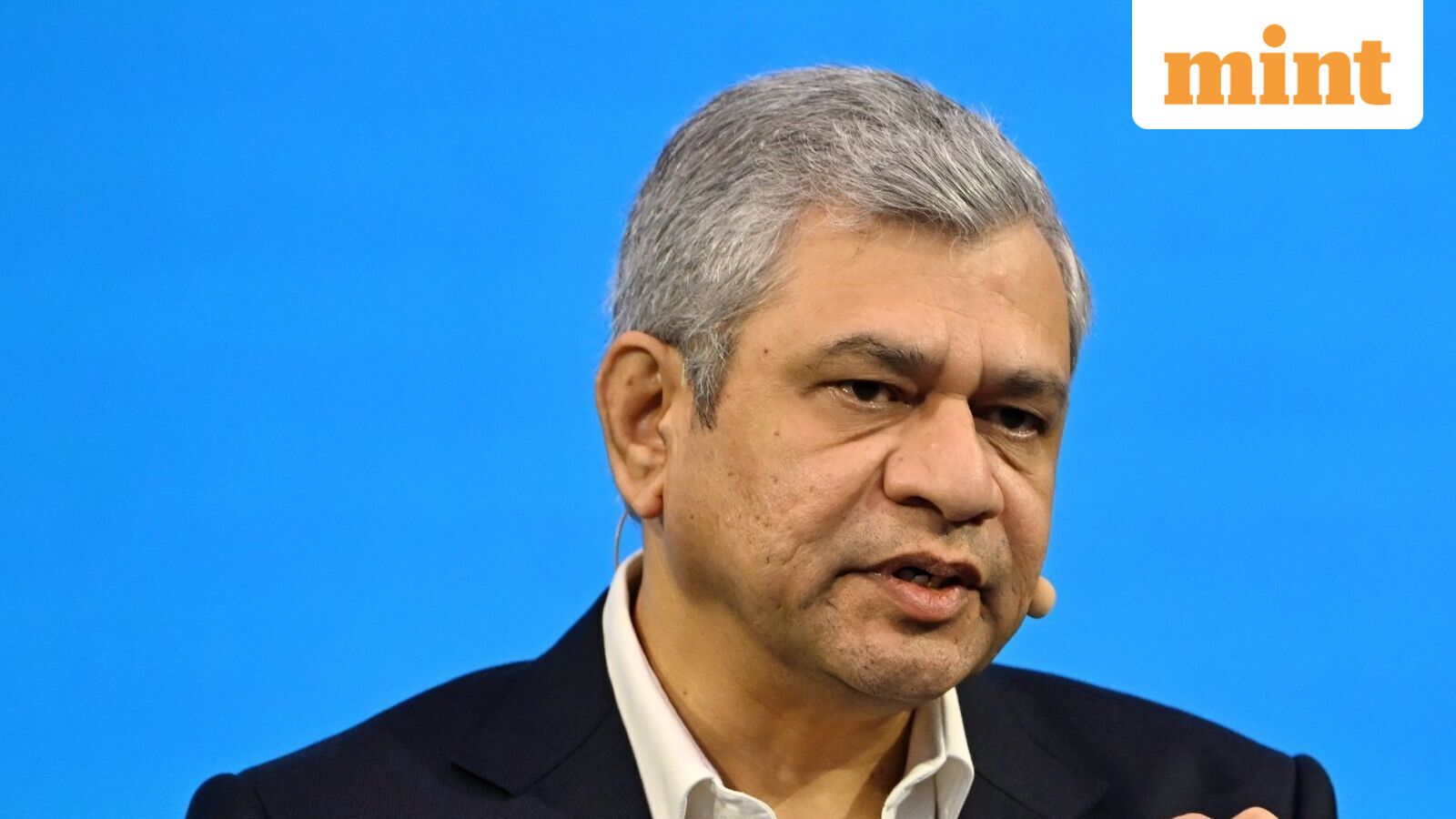
Union Minister Ashwini Vaishnaw announced on 14 October that India is developing a 20‑ to 25‑year plan to cut critical technology dependencies and strengthen its resilience to global disruptions. Speaking at the Bloomberg New Economy Forum in New Delhi, Vaishnaw, who heads railways, information and broadcasting, electronics and information technology, said the country’s goal is to become a trusted partner in global technology supply chains rather than pursue complete self‑sufficiency. He noted that India is setting short‑term targets for three to five years, medium‑term goals for five to 15 years and long‑term objectives for 20 to 25 years, focusing on building domestic capabilities in strategically important areas while staying integrated with global value chains.
Vaishnaw highlighted the need to identify strategic dependencies and ensure that partnerships do not compromise India’s resilience. He emphasized the importance of developing the full semiconductor ecosystem—including materials, chemicals, gases, substrate materials, chip design and manufacturing—as part of the second phase of India’s semiconductor programme. He added that without a complete ecosystem, manufacturing efforts would not pay off, citing India’s progress from assembly to modules and components in the mobile phone industry.
The minister also called for increased research and development spending, particularly in applied research, and pointed to the government‑private sector collaboration that produced India’s end‑to‑end 4G telecom stack in three and a half years, now deployed on more than 100,000 towers.
Vaishnaw warned of risks from future global financial and technological disruptions, including the impact of artificial intelligence on employment and debt pressures in advanced economies. He said India is preparing to strengthen its financial, economic and technological resilience, noting that the public debt‑to‑GDP ratio has fallen from 61 % to 55 % over the past five years.
The discussion also featured Cisco Chairman and CEO Chuck Robbins, who praised India’s approach of building strategically important capabilities while partnering with trusted companies as a practical path toward technology sovereignty.
Frequently asked questions
What is the duration of India's new technology strategy?
A 20‑ to 25‑year plan to reduce critical technology dependencies and strengthen resilience.
What are the short‑term, medium‑term, and long‑term targets set by India?
Short‑term targets for 3‑5 years, medium‑term goals for 5‑15 years, and long‑term objectives for 20‑25 years.
How has India's public debt‑to‑GDP ratio changed in the last five years?
It fell from 61 % to 55 % over the past five years.