Law & Justice
Colombia’s Peace Tribunal Indicts Former FARC Members for War Crimes Against Indigenous Communities
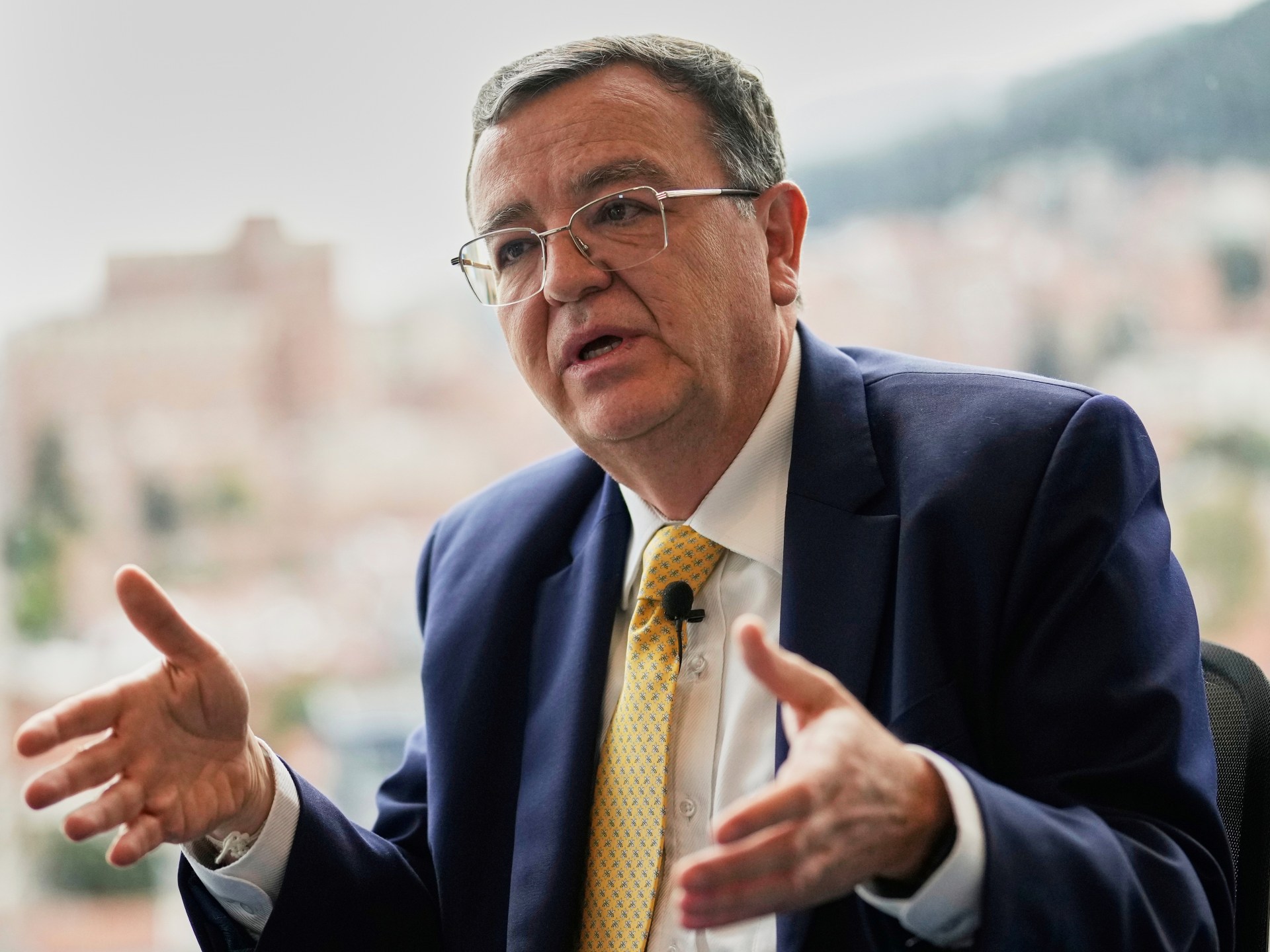
The Special Jurisdiction for Peace (JEP) has charged ten former members of the Revolutionary Armed Forces of Colombia (FARC) with war crimes and crimes against humanity committed between 1996 and 2016. The indictment alleges that the accused carried out torture, murder and forced displacement against five Indigenous groups in southeastern Colombia. JEP magistrate Catalina Diaz said that FARC commanders had ordered subordinates to plant landmines on Indigenous territory and destroy ecosystems vital to the tribes. "These people have had their basic right to exist compromised," Diaz added. The charges are part of Colombia’s transitional justice system, which was created to address abuses that occurred during the country’s more than 50‑year civil conflict. A 2022 report from Colombia’s Truth Commission recorded 450,664 deaths and 121,768 forced disappearances between 1985 and 2018. Indigenous activists welcomed the indictment as recognition that armed groups targeted their communities. Yhon Jairo Figueroa, a leader of the Koreguaje tribe, said, "For the first time, the Colombian state recognises that [armed groups] did not just kill individuals, but they attempted to kill the knowledge, the language, the territory." Three of the accused were members of the last FARC secretariat that signed a peace deal with the government in 2016, which included disarmament and the allocation of ten seats in Congress to former rebels. One of the suspects, Julian Gallo, served eight years as a senator under that agreement. The JEP can impose only non‑prison penalties; last year it sentenced seven ex‑FARC members accused of kidnapping to eight years of reparations, including landmine clearing and assistance in locating missing persons. The tribunal has also sentenced former military personnel to reparation work for their role in killings and disappearances that were recorded as rebel activity in government files, a scandal known as the “false positives.” Critics warn that the JEP’s future is uncertain under newly inaugurated far‑right President Abelardo de la Espriella, who has proposed a nearly 17 percent cut to the tribunal’s funding for fiscal year 2027. The budget reduction will be considered by Congress this month. De la Espriella, who served as a defence lawyer before taking office, has criticised the JEP for issuing lenient sentences.
Frequently asked questions
How many former FARC members were indicted by the JEP?
Ten former FARC members were indicted.
What crimes are the former FARC members accused of?
They are accused of torture, murder, forced displacement, planting landmines on Indigenous territory, and destroying ecosystems vital to Indigenous tribes.
What types of penalties can the JEP impose?
The JEP can impose only non‑prison penalties, such as reparations, landmine clearing, assistance in locating missing persons, and reparation work for former military personnel.