Cyber Awareness
EU Data Protection Board Calls for Smart Glasses to Display Recording Alerts
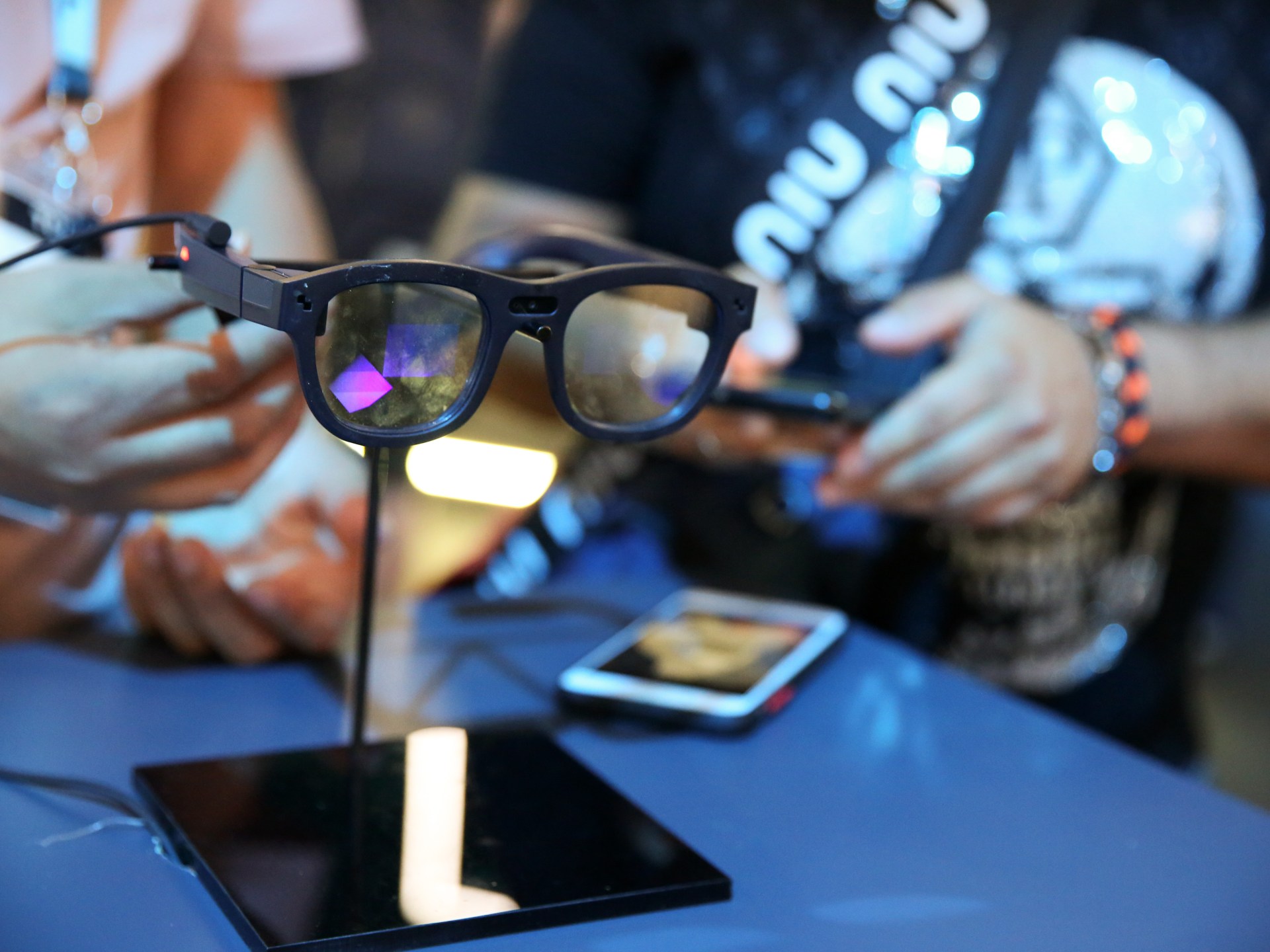
The European Data Protection Board (EDPB) has issued a non‑binding recommendation urging that smart glasses clearly indicate when they are recording. The advisory follows growing concerns that the devices are being used to secretly photograph girls and women. The EDPB said that smart glasses, which can look like ordinary eyewear but also take photos and videos, make phone calls and translate text when connected to the internet, raise serious privacy concerns. Chair Anu Talus called for visible signals such as bright LED lights, audio cues, voice‑activation alerts, smartphone notifications or distinctive designs. She added that the warnings must be reliable, hard to ignore and always up to date, so that bystanders in public spaces can understand when they are being filmed or photographed.
The board noted that the risks are greater in sensitive settings such as schools and hospitals, as well as public places like beaches, and that children are particularly vulnerable to covert or intrusive processing of their personal data.
The recommendation comes amid campaigns across Europe to ban or restrict smart glasses over privacy concerns. Norway’s government has expressed worries about privacy invasions and wants a temporary ban on the use of smart glasses in certain public places; Oslo has already banned camera‑equipped glasses in schools. France’s e‑Enfance association, which runs the national hotline for victims of online abuse, has warned about videos recorded with camera‑equipped glasses that are shared online. French prosecutors opened a criminal probe last month after sexual‑harassment complaints linked to a social‑media trend of using smart glasses to film women on the street without consent and posting the videos online.
In the United Kingdom and Ireland, a “Stop Smart Glasses” campaign has launched a petition and urged supporters to contact retailers to stop the sale of the devices. The petition has gathered more than 10,000 signatures, prompting a response from the UK government.
Frequently asked questions
What recording alerts does the EDPB recommend for smart glasses?
The EDPB recommends that smart glasses display visible signals such as bright LED lights, audio cues, voice‑activation alerts, smartphone notifications or distinctive designs, and that the alerts be reliable, hard to ignore and always up to date.
Which European countries have taken action regarding smart glasses?
Norway wants a temporary ban on smart glasses in certain public places and Oslo has banned camera‑equipped glasses in schools. France opened a criminal probe after sexual‑harassment complaints linked to smart glasses, and the UK and Ireland launched a petition with more than 10,000 signatures prompting a government response.
Why are children considered especially vulnerable to smart glasses?
Children are particularly vulnerable to covert or intrusive processing of their personal data in sensitive settings such as schools and hospitals, and in public places like beaches, where smart glasses can be used to secretly photograph them.