India
Delhi Protesters Detained as Cockroach Janta Party Calls for Election Commissioner’s Resignation
By Swati Gandhi
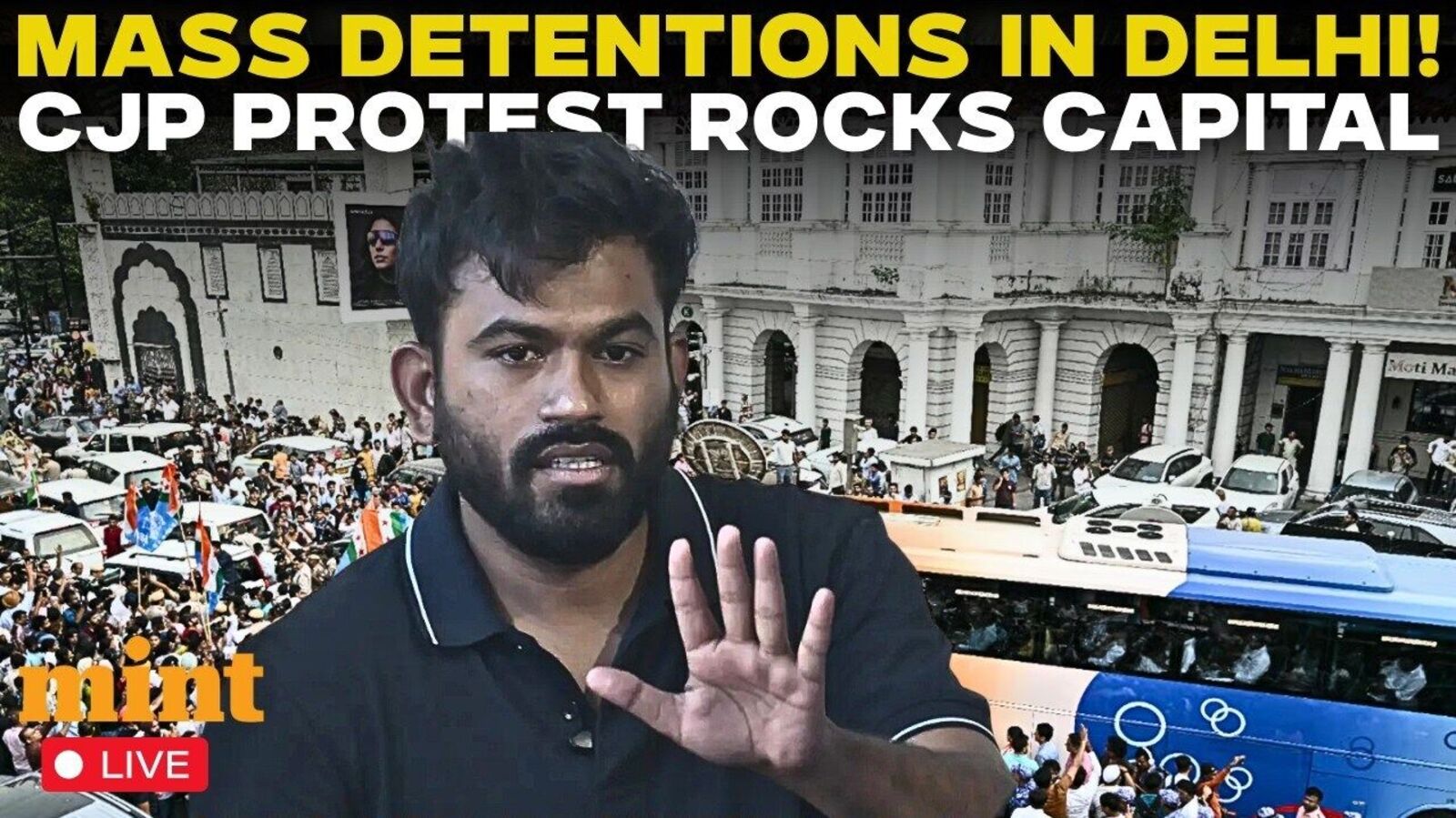
The Cockroach Janta Party (CJP), a satirical political group named after remarks by Chief Justice of India Surya Kant, is staging another protest at Delhi’s Jantar Mantar today against Chief Election Commissioner Gyanesh Kumar. The Saturday demonstration follows a recent protest in Bengaluru and marks a further move for the CJP from online satire to street mobilisation. Police have detained about 500 people, including 50 with criminal records, as a preventive measure.
The CJP’s origins trace back to May, when Chief Justice Kant criticised a lawyer seeking Senior Advocate status, likening some unemployed activists to “cockroaches” and “parasites” that attack the system. Kant later clarified that his comments were misquoted and were aimed at people entering professions with fake degrees. The remark sparked an online response from Abhijeet Dipke, who posted, “What if all cockroaches come together?” and subsequently created a website and social media accounts for the Cockroach Janta Party.
Dipke’s post went viral, drawing millions of Indians to the satirical outfit to express frustration over NEET‑UG paper leaks and high unemployment. The CJP has used platforms such as Discord, Reddit, Instagram and X to mobilise youth around structural reforms, including unemployment and exam paper leaks. The movement moved from online discussions to street protests, holding demonstrations in Delhi for over a month into July. The protests gained support from students, climate activist Sonam Wangchuk, and others across age groups.
On 20 July, a “Chalo Sansad” march coincided with the first day of the monsoon session. Delhi saw chaotic scenes as scores of protesters were detained; the Delhi Police and Rapid Action Force used tear gas and lathi charges to stop the march toward Parliament. In response to the backlash, the Centre agreed to meet CJP founders. Days later, Union Education Minister Dharmendra Pradhan resigned. After his resignation, the CJP called off its protests but continued to push for reforms, including a “School Thik Karo” campaign.
The 10 October protests come as opposition parties and several student wings join forces to demand Gyanesh Kumar’s resignation. The CJP’s activities have attracted attention from across the political spectrum and continue to influence discussions on electoral and educational reforms in India.