Law & Justice
Nobel Peace Prize Awarded to ICJ Judge Navi Pillay for Strengthening International Law
By Julian Borger, Rachel Savage
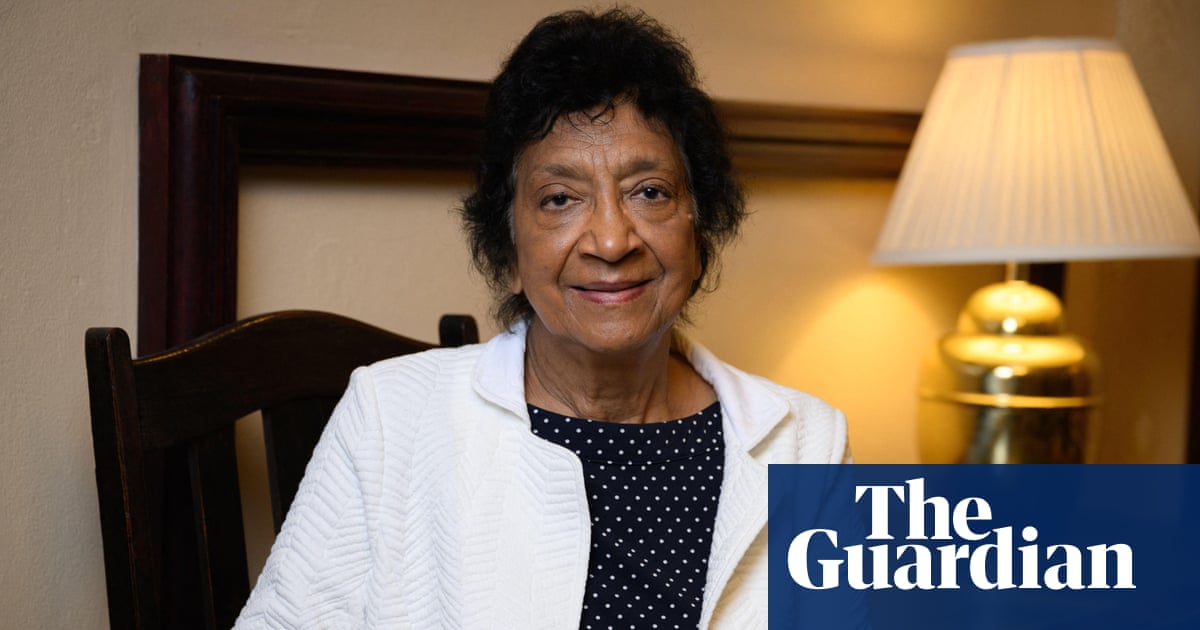
The Norwegian Nobel Committee announced that Navi Pillay, an 85‑year‑old judge at the International Court of Justice (ICJ), has been awarded the 2024 Nobel Peace Prize. Pillay is a former United Nations High Commissioner for Human Rights and chaired the UN commission that concluded Israel was guilty of genocide in Gaza. The committee said she has shown that legal measures can help prevent acts of war and violence and that her commitment to universal legal principles and moral integrity has been a constant throughout her career.
Pillay’s career includes defending Nelson Mandela during South Africa’s apartheid era, serving on an international criminal tribunal, and leading the UN independent international commission of inquiry on the occupied Palestinian territory. That commission, which released its findings in September last year, concluded that Israel had committed genocidal acts in Gaza with the specific intent to destroy Palestinians in the area, and that Israeli leaders had incited the commission of genocide.
Israel rejected the commission’s report as “scandalous” and has refused to cooperate with the inquiry. The Israeli foreign ministry reacted angrily to Pillay’s Nobel announcement, accusing her of spreading “lies, hatred, and blood libels” and calling the award a “weaponization of an award to legitimize anti‑Israel hatred.”
The Nobel Committee added that Pillay has contributed to strengthening the institutions of international law and that her independence, expertise and steadfastness make her one of the most respected international jurists of our time. It said the prize was intended to remind the world that the rule of law underpins the system that ensures peace and resolves conflicts non‑violently.
Pillay was not located by the committee at the time of the announcement; she was attending a meeting of human rights lawyers and jurists in Nuremberg, Germany, when she heard the news from colleagues. She expressed disbelief and said she would verify the award, recalling her recent work on the Gaza genocide report.
South Africa’s President Cyril Ramaphosa praised the award, saying it allows the country to celebrate Pillay’s contributions to peace, human dignity and hope. Retired Constitutional Court Justice Edwin Cameron noted that the prize re‑emphasises an international aspiration to peace and respect across borders, and that Pillay joins figures such as Desmond Tutu and Nelson Mandela as internationally recognised leaders.
Human rights lawyer Yasmin Sooka highlighted Pillay’s legacy from defending the vulnerable during apartheid to her pioneering role in the Akayesu judgment, which established rape and sexual violence as weapons of war. She noted Pillay’s integrity and courage in holding power accountable.
Pillay is currently overseeing a genocide case against Myanmar at the ICJ. The award follows the 2023 Nobel Peace Prize given to Venezuelan opposition leader María Corina Machado, which had drawn criticism for her calls for U.S. military intervention. Pillay joked that she might share her prize with Donald Trump if he clapped more, echoing Machado’s earlier gesture of handing her medal to Trump.
Frequently asked questions
Who is Navi Pillay and why did she receive the Nobel Peace Prize?
Navi Pillay is an 85‑year‑old judge at the International Court of Justice, former UN High Commissioner for Human Rights, recognized for strengthening international law and preventing war.
What did the UN commission chaired by Pillay conclude about Israel’s actions in Gaza?
The commission concluded that Israel committed genocidal acts in Gaza with the specific intent to destroy Palestinians in the area and that Israeli leaders had incited the commission of genocide.
How did Israel react to Pillay’s Nobel announcement?
Israel rejected the commission’s report as “scandalous,” refused to cooperate with the inquiry, and the Israeli foreign ministry accused Pillay of spreading “lies, hatred, and blood libels” and called the award a weaponization of an award to legitimize anti‑Israel hatred.