Climate & Environment
Conservation Wins Highlight Recovery of Wildlife Amid Global Declines
By Nick Clark
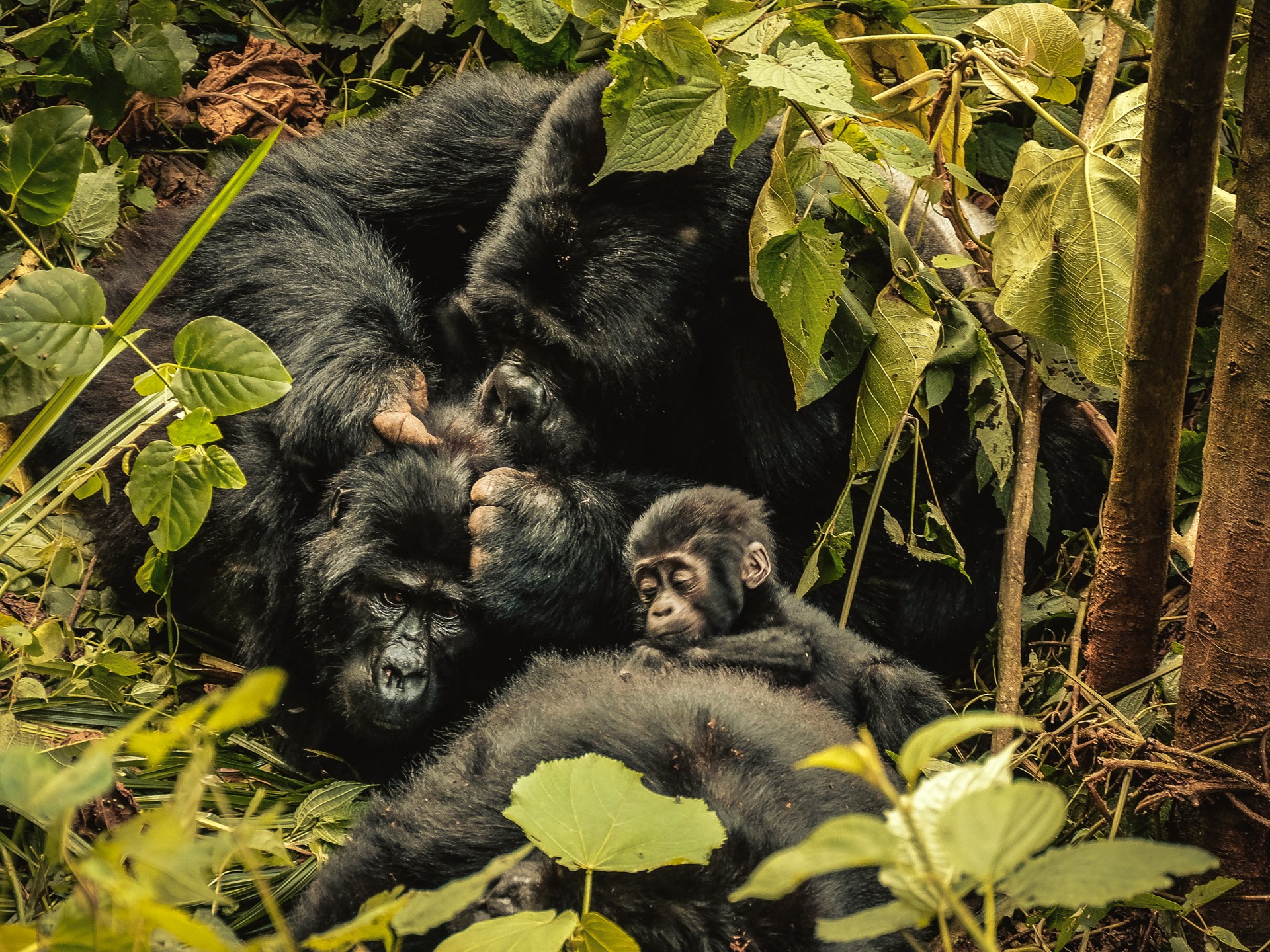
A glimmer of hope emerges for the natural world as conservation efforts succeed despite a 73 percent drop in wildlife numbers over the past 52 years, according to the World Wide Fund for Nature’s (WWF) Living Planet Report. In Uganda’s Bwindi Impenetrable National Park, tourists pay $800 to observe a troop of mountain gorillas beneath the forest canopy. The park’s economy benefits from gorilla tourism, with local communities selling wood carvings and providing accommodation for up to 40,000 visitors a year. Rangers and guides also find employment in the park, which borders the Rift Valley and the Democratic Republic of the Congo (DRC). While some gorillas live close to human activity, many remain deep in the forest, where they forage, build nests, disperse seeds and contribute to their own population growth. In the 1980s the mountain gorilla was close to extinction; today there are more than 1,100 individuals in Uganda, Rwanda and the DRC, a story that illustrates the success of sustained conservation action, science‑informed management and community involvement, says Tara Stoinski of the Dian Fossey Gorilla Fund.
The Living Planet Report also records recoveries for species such as green turtles, bluefin tuna, tigers and Southern African elephants. Andrew Terry, chief conservation officer at the Zoological Society of London, notes that these recoveries show nature can rebound when science, policy, enforcement and public support align. International partnerships have driven results: tiger range countries—including India, Bhutan, Nepal, Laos and China—helped increase global wild tiger numbers by more than 70 percent between 2010 and 2025. In 2025 the green sea turtle was downlisted from “endangered” to “least concern” on the IUCN Red List after 50 years of research, protection of nesting females and eggs, gear‑reduction measures and community engagement.
The report identifies three primary drivers of nature loss: the global food system, the energy system and the finance system. Kirsten Schuijt, WWF director general, says these industries must transform, noting that progress is underway but not yet at the scale required.
The return of Atlantic bluefin tuna to UK waters illustrates the tangible impact of recovery. Once listed as endangered after an 80 percent decline, the species is now returning in numbers not seen in generations, transforming conservation from an abstract concept into a visible reality for coastal communities, fishers and sea‑users, says Tom Horton of the University of Exeter.
Other species face greater challenges. The critically endangered Grauer’s Gorilla, found in remote DRC forests, has seen its numbers drop by an estimated 60 percent to about 6,800. Urbain Ngobobo, Dian Fossey Fund country director in the DRC, stresses that protecting forests, monitoring gorillas and training young Congolese conservation leaders represent progress and hope, even though the future remains uncertain.
These stories underscore that while wildlife populations have declined, targeted conservation actions can lead to measurable recoveries, offering inspiration for ongoing efforts to protect the planet’s biodiversity.