India
Indore Water Crisis Reveals Decades‑Old Design Fault, Eight Officials Held Accountable
By Shruti Tomar
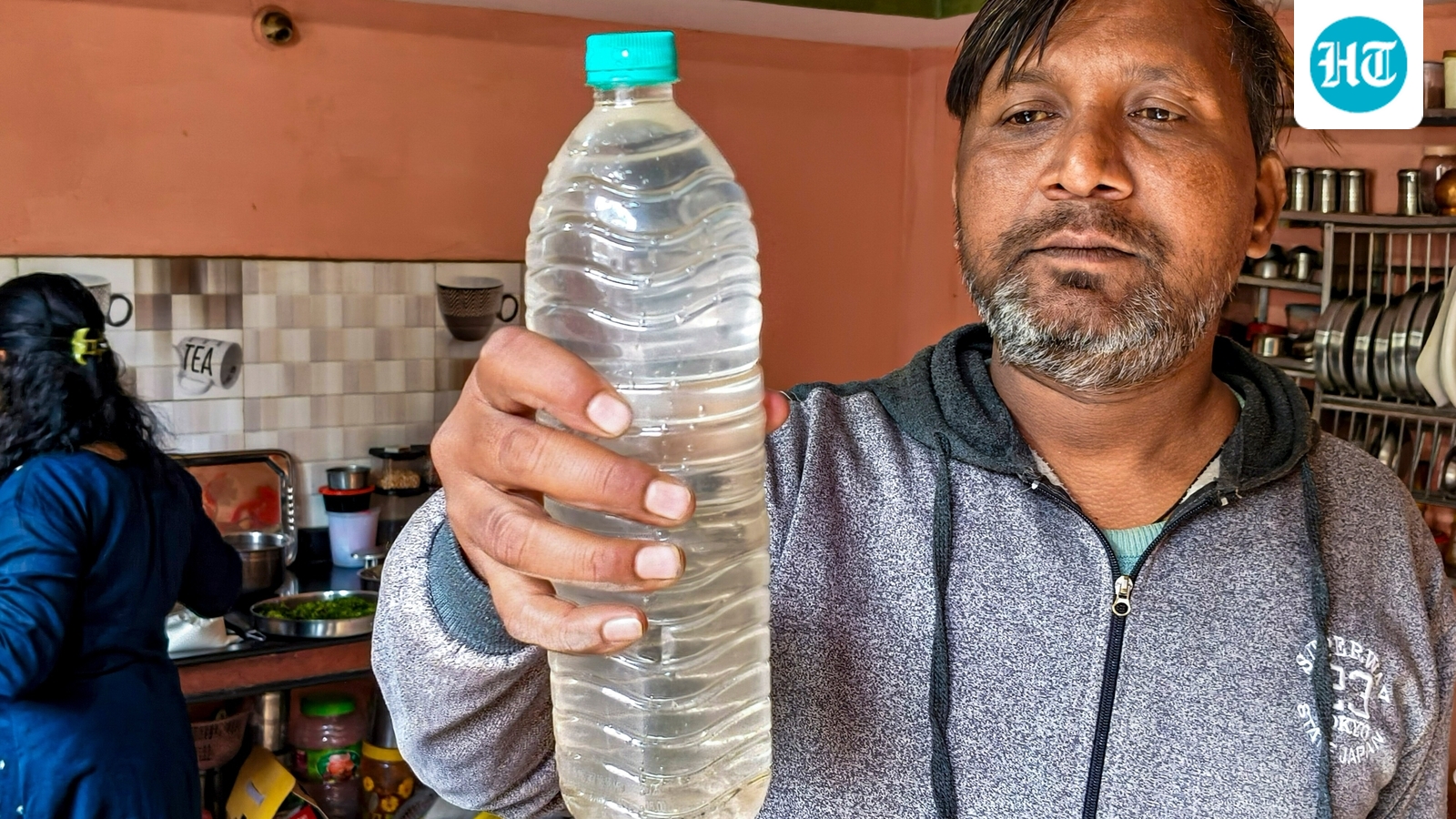
A judicial commission report found that 22 deaths from contaminated drinking water in Indore last December were caused by failures that began in the 1990s. Justice Sushil Kumar Gupta, former high court judge, submitted a 112‑page report to the Madhya Pradesh High Court’s Indore bench on August 18, after the court had appointed him on January 27 to investigate complaints of water contamination in Bhagirathpura and other parts of the city. The report identified three layers of lapses between 1990 and 2026 and named at least eight municipal officers of the Indore Municipal Corporation for ignoring complaints and delaying tender processes.
The commission noted that the sewerage project (1990‑95) and water pipeline (1999‑2004) laid by the Indore Development Authority violated the Central Public Health and Environmental Engineering Organisation (CPHEEO) Manual. Over time, cracks in both the pipeline and the sewerage line allowed sewage to contaminate drinking water, which then reached households. Laboratory samples showed coliform bacteria such as E. coli, Salmonella, Vibrio cholerae and other impurities, proving the water was unfit for consumption.
In 2004, the Asian Development Bank had provided $200 million to Bhopal, Indore, Jabalpur and Gwalior for water quality improvement. A 2019 Comptroller and Auditor General report warned that of 941,000 families in Bhopal‑Indore, only 530,000 had taps; 4,481 water samples were unfit between 2013 and 2018, and 545,000 waterborne disease cases were recorded.
Similar contamination complaints were found in Bhopal, where faecal coliform was detected in Chhota Talab, Shahpur and Motia Talab on January 14, 2026, water sources that serve 500,000 people. Activists said officials had ignored warnings, calling the negligence a criminal act.
Urban Development Additional Chief Secretary Sanjay Dubey said the tragedy forced a complete reset of water management. The Madhya Pradesh government launched the Jal Suraksha Campaign in February, mandating water quality monitoring at treatment plants, distribution sites and random consumer sampling, along with regular cleaning of overhead tanks and chlorination.
Dubey explained that the main issue was the co‑placement of pipelines and sewage lines, which led to leakage and contamination. Future pipelines will be laid above sewage lines with required vertical and horizontal distances. A remote‑controlled, GPS‑fitted crawler will be used to detect leaks without extensive digging.
The faulty pipeline in Bhagirathpura was replaced within two months of the incident. The case remains pending before the Indore bench of the high court, which will decide action against the eight officers named by the commission. The state government suspended them in January.