Climate & Environment
WWF Report Finds 73% Drop in Vertebrate Populations Over Five Decades
The World Wide Fund for Nature’s biennial Living Planet Report 2026 shows that the average size of monitored vertebrate populations—mammals, fish, birds and amphibians—fell 73% between 1970 and 2022. The Living Planet Index (LPI) measures changes in relative abundance over time, so the 73% decline reflects a reduction in population size, not the number of individual animals or populations lost. Drivers cited include habitat loss and degradation, overexploitation, climate change, invasive species, pollution and disease. The report identifies the global food and agriculture system as the single largest driver of biodiversity loss, responsible for habitat destruction, overharvesting and significant greenhouse gas emissions.
Despite the overall decline, the report notes that nature can recover if society follows a clear pathway to trigger positive tipping points in the energy, food and finance systems that drive biodiversity loss. Ravi Singh, Secretary General and CEO of WWF‑India, said the 2026 report is both a stark reminder of the biodiversity crisis and a message of hope, pointing to species recoveries such as tigers in India and globally as evidence that sustained conservation action can succeed.
The LPI, produced by the Zoological Society of London, includes 35,803 population trends of 5,790 vertebrate species from 1970 to 2022. The strongest declines were 85% in freshwater ecosystems, followed by 69% in terrestrial ecosystems and 59% in marine ecosystems. WWF noted that half of the populations in the LPI are stable or increasing.
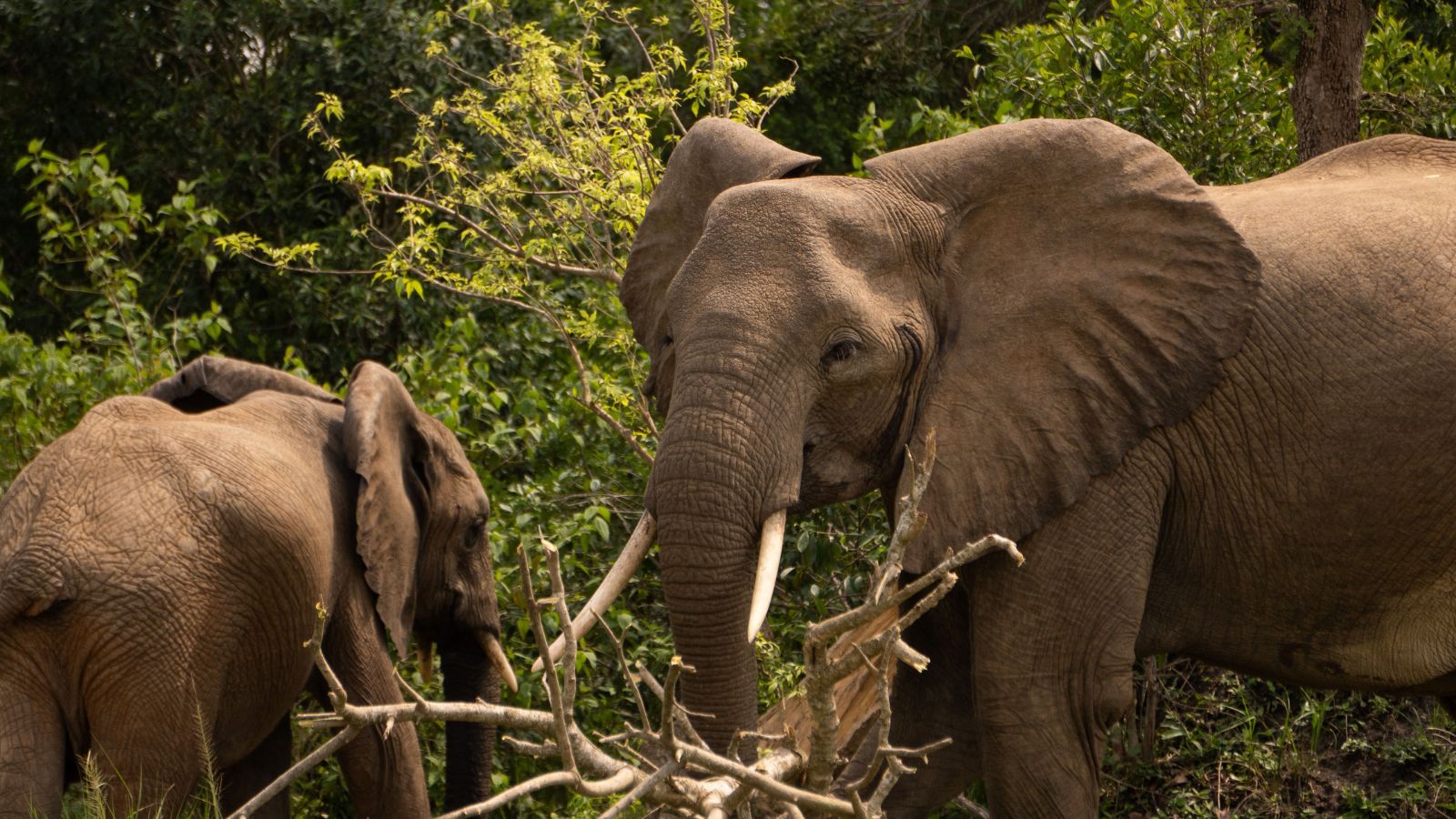
The report highlights recoveries in populations of green turtles, bluefin tuna, tigers and southern African elephants, demonstrating that targeted conservation interventions can deliver proven results. It also notes a rise in global wild tiger numbers between 2010 and 2025, from 3,200 to around 5,700 individuals.