India
Finance Ministry Orders Bank Committees to Report SC Beneficiary Data for Key Schemes
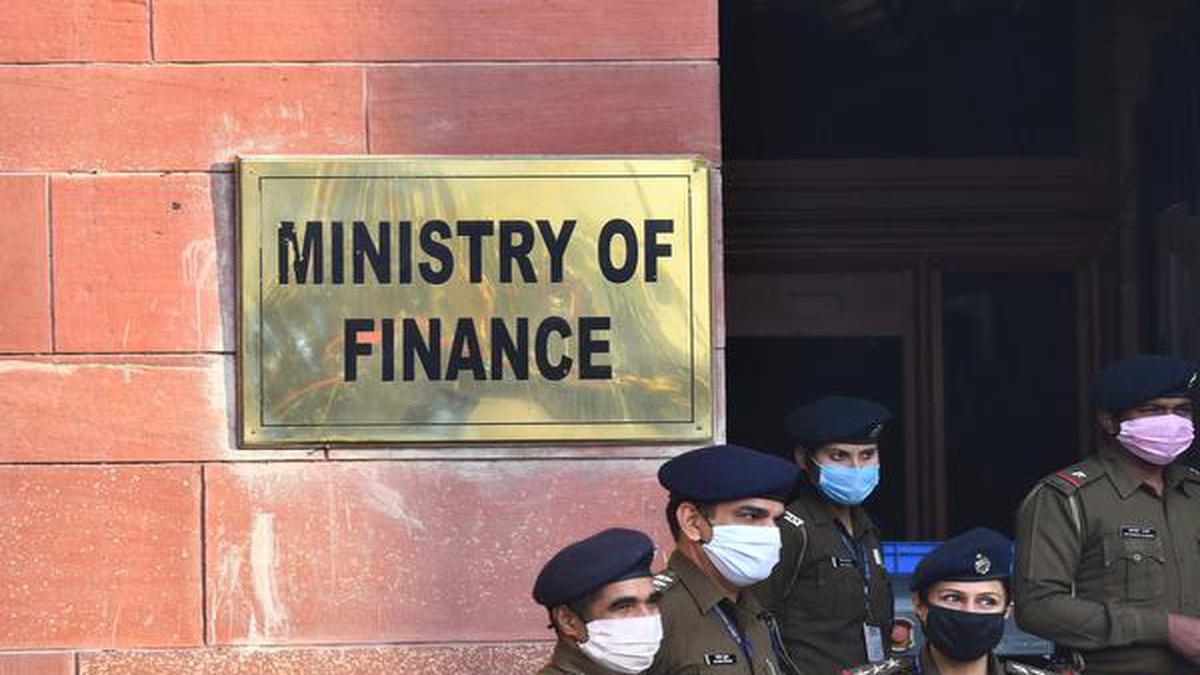
The Finance Ministry has directed State‑level and Union Territory‑level Bankers’ Committees (SLBCs/UTLBCs) to include data on the percentage share of Scheduled Caste (SC) beneficiaries using flagship central schemes such as the Mudra Yojana, Stand Up India, Prime Minister’s Employment Generation Programme, MSME/business loans, and others. The directive follows a reminder from the National Commission for Scheduled Castes (NCSC) that these committees had not been reporting such data in their regular reviews, hindering the Commission’s constitutional duties.
SLBCs and UTLBCs are apex inter‑institutional forums that coordinate efforts among state governments, banks, financial institutions and other stakeholders for state development. They are chaired by a convener bank notified by the Reserve Bank of India (RBI) and include heads of relevant state departments, the RBI regional director, state heads of commercial banks, NABARD, regional rural banks, and the state co‑operative bank. RBI guidelines also require the committees to invite representatives of institutions such as the National Commissions for SCs and STs, the National Horticulture Board, farmers’ unions and other stakeholders. The committees meet quarterly and focus on policy and strategic issues related to priority sector credit and financial inclusion.
In a letter to the Union Finance Ministry’s Department of Financial Services (DFS) dated September 24, NCSC Secretary Vivek K. Dewangan noted that state representatives attending SLBC and UTLBC meetings had observed that convener banks were not reflecting data on the share of SC beneficiaries for several union government schemes. The NCSC requested the DFS to issue directions to the committees to report this data mandatorily and to relay it to the Commission. Schemes highlighted for specific scheme‑wise and bank‑wise SC beneficiary data include the Pradhan Mantri Mudra Yojana, Stand‑Up India entrepreneurship loan scheme, Prime Minister’s Employment Generation Programme, PM SVANidhi (PM Street Vendors’ Atma Nirbhar Nidhi), Credit Guarantee Fund Trust for Micro and Small Enterprises, and MSME business loans.
Government officials explained that the Commission’s role at SLBC and UTLBC review meetings is to evaluate financial inclusion of SC families. To do so, they need data on the number and share of SC beneficiaries across schemes and banks. The goal is to determine whether the share of SC beneficiaries for each scheme roughly matches the share of these communities in the state or union territory population. For example, if a state has about 10% SC population, the share of SC beneficiaries in schemes should be close to that figure.
In response, the DFS issued an advisory to all SLBCs/UTLBCs on October 5, instructing them to include data on both the number and share of SC beneficiaries—scheme‑wise and bank‑wise—in their review reports. The DFS also noted that this data should be shared regularly with the NCSC and gave committees until October 9 to raise any issues regarding the availability of such data.
Published – October 08, 2026 10:35 am IST