
Reliance Infrastructure shares have been placed under trading restrictions following an upper circuit halt, as the company navigates through its Insolvency Resolution Process (IRP). This significant move comes as part of the Indebtedness under the Insolvency and Bankruptcy Code (IBC), marking a major setback for the Anil Ambani-led ADAG group.
The Trading Restrictions and Their Impact
Reliance Infrastructure shares are now restricted to once-a-week trading, with only selling permitted. This drastic step follows the company’s admission into the Insolvency Resolution Process, and has resulted in Limited Exit Options for its investors.
In line with the stock exchanges’ guidelines, Reliance Infrastructure shares will only be available for trading on Mondays. However, buying remains prohibited, restricting market participation to only sellers. This is seen as a move to reduce speculation and prevent unnecessary volatility caused by repeated upper circuit hits.
Stock Activity and Investor Concerns
The trading restrictions come after the stock had been locked in the upper circuit for several days, with its price jumping over 21% in just five days, moving from ₹129 to ₹157. On Friday, shares closed at ₹173, hitting another upper circuit before trading was suspended.
Despite these gains, concerns over liquidity and exit options remain as many retail investors are unable to liquidate their holdings. Some investors have expressed their frustration on social media platforms, seeking clarity on whether they can expect an exit and when they will be able to access their investments.
IRP and Surveillance Measures
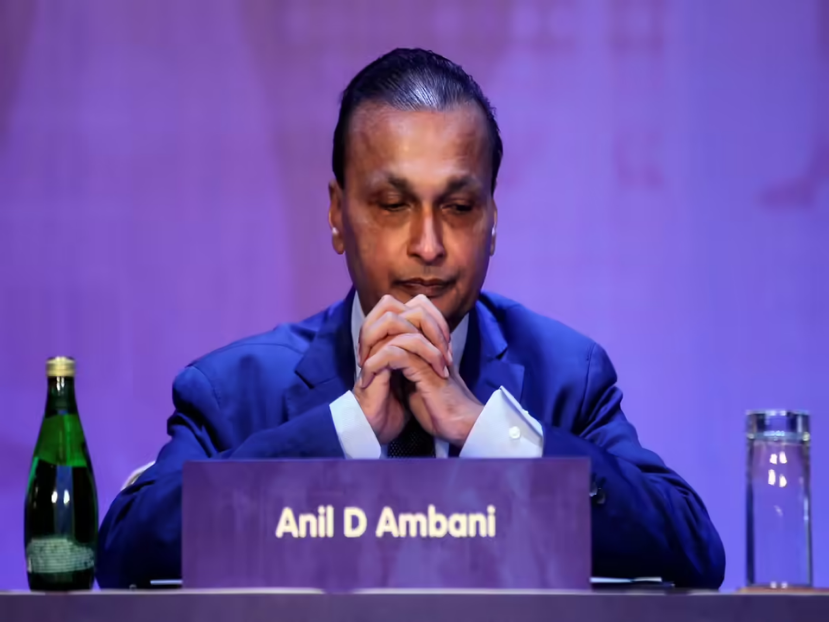
The Enforcement Directorate’s (ED) ongoing investigation into money laundering has compounded the financial strain on Reliance Infrastructure. The ED had attached assets worth ₹10,000 crore earlier this week as part of its probe into alleged financial wrongdoing linked to Anil Ambani’s group companies. However, Reliance Infrastructure has stated that Ambani was not involved in the day-to-day management of the company.
Looking Ahead: Future of the Stock and Company
The move to place Reliance Infrastructure under these trading restrictions is seen as an attempt to curb speculative activity. While the company’s trading window is now limited, experts suggest that the stock may see a slow return to normalcy once the IRP process reaches its conclusion.
Reliance Infrastructure shares are expected to resume regular trading after December 29, but investors will have to contend with lower liquidity and continued restrictions until then.
Conclusion: Impact on Ambani’s Empire
Reliance Infrastructure’s trading restrictions come as part of the broader financial restructuring within Anil Ambani’s group. The company’s admission into the insolvency process could set a precedent for other Reliance Group entities facing similar pressures, with the ongoing investigation intensifying scrutiny of the group’s financial practices.

