World
Pentagon Watchdog Finds Munitions Shortages From Iran Conflict, Disputing Trump's Claims
By Today News Hours Editorial Desk
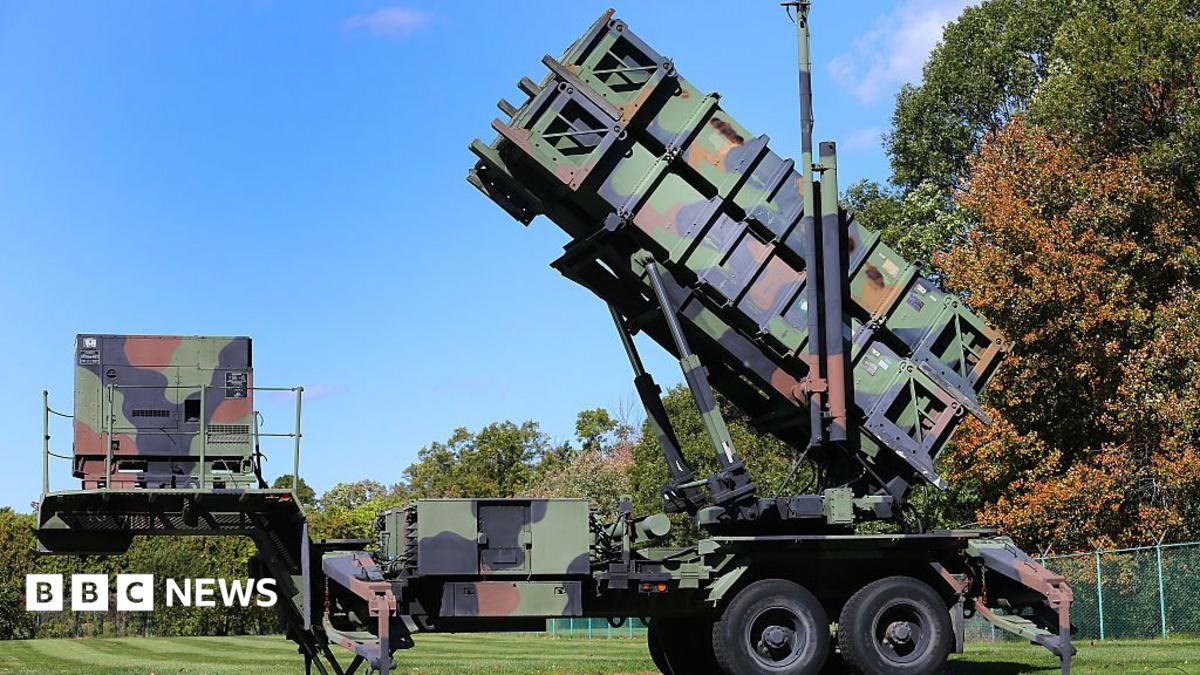
An independent report from the U.S. Department of Defense's inspector general has confirmed that the ongoing conflict with Iran has caused "strategic inventory shortfalls" in American munitions, along with bottlenecks in resupplying weapons. The findings contradict repeated statements from President Donald Trump, who has insisted that U.S. munitions stockpiles remain "virtually unlimited" and has dismissed reports of shortages as "fake news."
According to the watchdog, the United States spent more than $22 billion on munitions between February and June, contributing to the depletion of key inventories. The report offers a rare, unclassified look into the state of U.S. weapons stockpiles, information that is normally kept confidential.
The assessment aligns with earlier warnings about the state of American arsenals. A late-July analysis by the Center for Strategic and International Studies (CSIS) found that stockpiles of certain missile defense systems—including the Patriot and the Terminal High Altitude Area Defense (THAAD)—had been reduced by more than half in some cases.
While the inspector general's report did not specify exact remaining quantities of weapons, it confirmed the existence of "industrial base bottlenecks" affecting the resupply of munitions. The Defense Department is reportedly working to "streamline procurement processes and production lead times" in order to respond quickly to future military needs.
The White House pushed back against the report's conclusions. Spokeswoman Anna Kelly said in a statement Tuesday that "the United States military has more than enough munitions, ammo, and stockpiles to serve all of the Commander-in-Chief's strategic goals and beyond." Trump and members of his administration have previously dismissed reports of shortages, with Defense Secretary Pete Hegseth calling such claims "not true" in an August 4 post on X. In a September 3 Truth Social post, Trump reiterated that the U.S. possesses "virtually unlimited" ammunition and is actively "stockpiling and preparing for any contingency."
The inspector general's report also detailed additional costs from the conflict, including $3.7 billion in equipment losses and $7.4 billion in other expenditures. In total, the U.S. spent $33.4 billion (£24.7 billion) on the war between February 28 and June 30. A separate estimate released the same day by the Congressional Budget Office placed the total cost even higher, at $38 billion, factoring in replaced munitions, battlefield losses, increased flight hours, and higher fuel costs.
Among the military assets lost during the conflict were four F-15E fighter jets, one F-35 Joint Strike Fighter, and 30 MQ-9 drones, destroyed under "various circumstances."
When U.S. and Israeli strikes on Iran first began, Trump predicted the conflict would conclude within weeks. He has since suggested it may not end until "right after" the November midterm elections.
Public opinion on the war remains largely negative. A Reuters/Ipsos poll released in early September found that only 23% of Americans—and just half of Republicans—believe the U.S. is in a stronger position relative to Iran than before the conflict began.