World
Government Weighs Giving Mayors Authority to Monitor Water Companies
By Today News Hours Editorial Desk
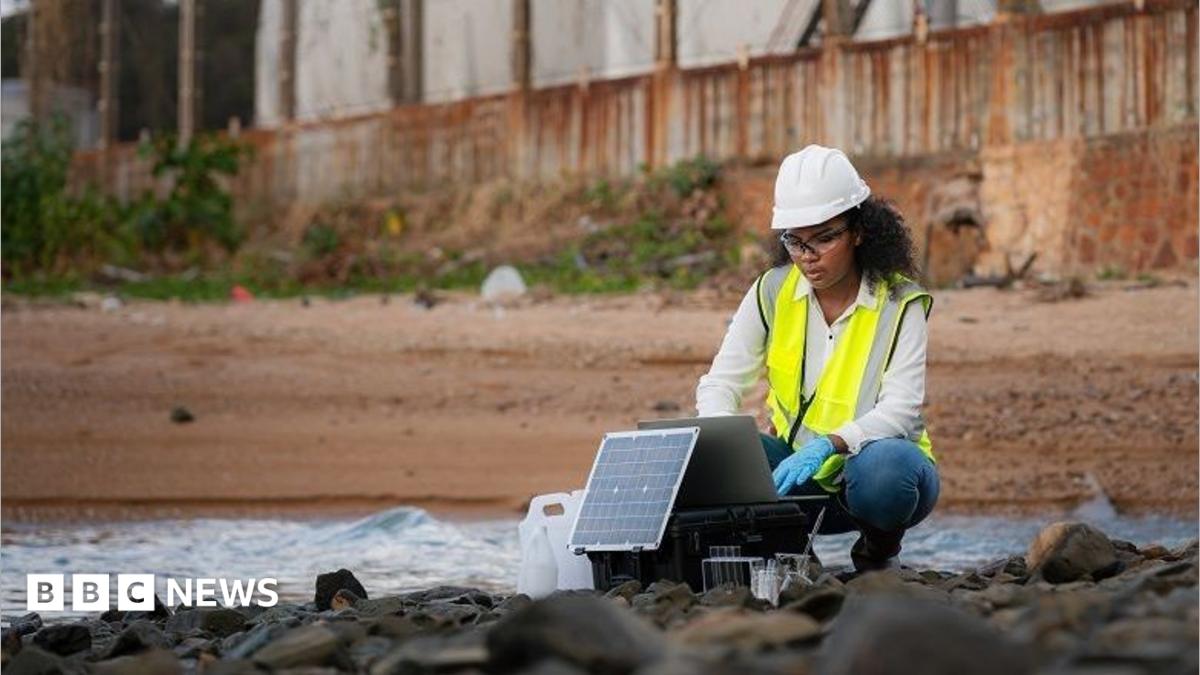
The government is considering proposals to grant mayors and other local political leaders powers to oversee water companies in England and Wales. Under the plan, nine new regional bodies would be established to handle planning, set objectives, and hold water companies accountable.
The proposal stems from a key recommendation in Sir John Cunliffe's Independent Water Commission report, published in June last year. While some of the commission's suggestions were adopted by the government, the recommendation for regional oversight bodies had not been implemented until now.
Although no final decision has been made and no timeline for an announcement has been set, officials at the Department for Environment, Food and Rural Affairs are reportedly supportive of the idea. The regional bodies would have authority to review certain aspects of water companies' spending and hold executives accountable for billing practices and sewage discharges.
According to the Cunliffe review, the change would give local voices, customers, and experts stronger influence over decisions made by company boards regarding investment priorities. Each regional body could include a mayor or local government representative, an independent chair, subject matter experts, and representatives from affected sectors such as transport and agriculture.
A Whitehall source described the proposal as one of several options being explored to increase public oversight of water companies. A government spokesperson said the water industry "has not been working for people for far too long," adding that tougher regulation, stronger enforcement, and greater accountability were being introduced to ensure water companies serve customers and protect the environment.
The proposal comes as complaints from households about water companies to the industry watchdog rose by a record 84% over the past year, largely driven by concerns and confusion over rising bills. The Consumer Council for Water (CCW) said this was the largest year-on-year increase in its 20-year history, reflecting widespread public dissatisfaction. Growing concern about sewage spills, rising bills, and long-term underinvestment in the sector—compounded by climate change and population growth—has intensified scrutiny of the industry.
During his first address to the House of Commons in September, a senior official said a series of policy decisions since the 1980s had led to the privatization of economic power in the UK, describing the water industry as an example of a system run in private rather than public interest.
Separately, there have been commitments to give mayors greater control over public services including social housing, welfare, and education, as part of a broader ten-year plan to reshape the economy. This would involve granting mayors more control over budgets, including a share of income tax revenue for city region mayors in England, as part of efforts to shift power from central government to local leaders.
The issue of England's water industry was also debated in Parliament this week, after more than 200,000 people signed a petition calling for a referendum on returning the water industry to public ownership. While MPs participating in the debate did not support the need for a referendum, there was broad agreement that the current system is "broken" and requires reform.