Business & Finance
Nepal's Capital Market Stakeholders Applaud Government's 21-Point Reform Package
By Ratopati September 15, 2026
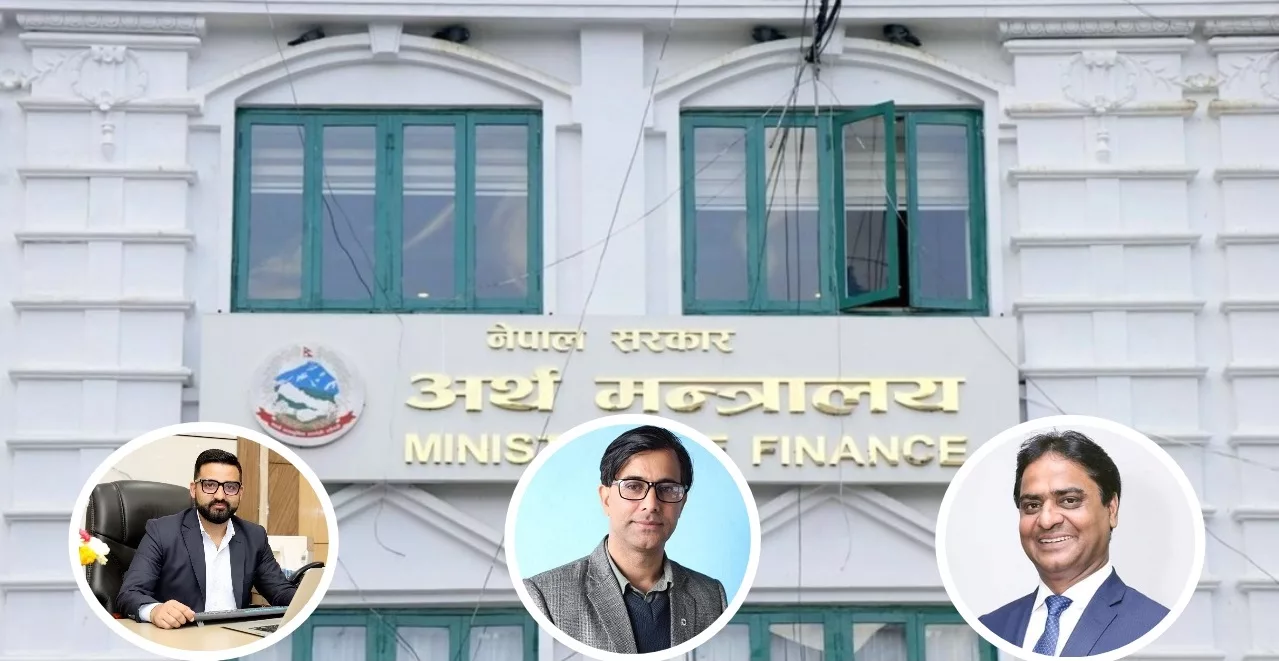
Kathmandu — Investors and market leaders have praised a new capital market reform plan unveiled by Nepal's Ministry of Finance, calling it a milestone for structural change, investor protection, and long-term growth. The Capital Market Strengthening and Revival Action Plan-2083 was made public on Monday as part of efforts to address economic slowdown, damage from seasonal disasters and floods, and pressure on the stock market.
Sagar Dhakal, Chairman of the Stock Brokers Association of Nepal, welcomed the plan, describing it as an important policy initiative for structural reform, investor protection, and long-term development. He highlighted several positive elements, including the introduction of a price discovery system for primary shares, margin lending, and short selling. He also praised provisions to develop the corporate bond market, allow non-resident Nepalis to invest in the secondary market, and expand participation by institutional investors.
Dhakal further noted that plans to modernize the Nepal Stock Exchange (NEPSE), CDS and Clearing Limited, and the securities brokerage business were encouraging. He said the plan would make the capital market more transparent, competitive, and investor-friendly, with effects already visible in NEPSE trading. He pointed to the tax structure encouraging long-term investment — a 3.75 percent capital gains tax on securities held for more than 365 days, and 5 percent for those held for 365 days or less — as a positive step. Dhakal emphasized that timely and effective implementation of these reforms is essential to strengthen investor confidence, boost market liquidity, and enhance the market's contribution to economic development.
Investor Ambika Prasad Poudel also welcomed the initiative, calling the government's commitment to capital market reform a positive step. He described the action plan as a potential milestone for the long-term development and expansion of the capital market, thanking the Finance Minister for the initiative.
Tara Prasad Phuyal, Chairman of the Investors Association, said the 21-point plan would have a long-term impact on Nepal's stock market by resolving policy and legal obstacles that have persisted for years. He said the plan's provisions would have both immediate and lasting effects, particularly the tax structure that taxes only net profits after calculating actual gains and losses, which he said would encourage long-term investment and increase permanent capital in the market.
Phuyal added that opening the primary and secondary markets to institutional investors — including the Employees Provident Fund, Citizen Investment Trust, Social Security Fund, and insurance companies, whose funds are currently concentrated in bank deposits — could bring billions in institutional capital into the market and help stabilize fluctuations. He also noted that a requirement for banks and financial institutions to hold secondary market investments for at least 45 days would help curb short-term speculation and make the investment system more secure.
He said the introduction of intra-day trading, short selling, securities lending, and margin lending through brokers would increase liquidity and trading activity in both rising and falling markets. Additionally, he said allowing high-value companies to split shares and buy back their own shares would support capital management and protect investor interests.
The Ministry of Finance's 21-point action plan addresses long-standing investor demands, including reductions in capital gains tax, loss adjustment mechanisms, intra-day and short selling, entry of non-resident Nepali investors, share splits, and buybacks. Investors described it as the most detailed, modern, and investor-friendly reform framework in the history of Nepal's capital market, while stressing the need for strict implementation by the Securities Board of Nepal, NEPSE, and CDSC within the specified timeframe.
The market has already shown a positive response to the announcement. NEPSE closed at 2,585.04 points on Monday, up 25.55 points. On Tuesday, the index rose by 86.05 points to 2,871.09 in the pre-open session. It remained in positive territory afterward, standing at 2,631.18 points — an increase of 46.13 points — at the time of reporting.