Auto
Niti Aayog Launches PACT Platform to Boost Electric Truck Adoption in India
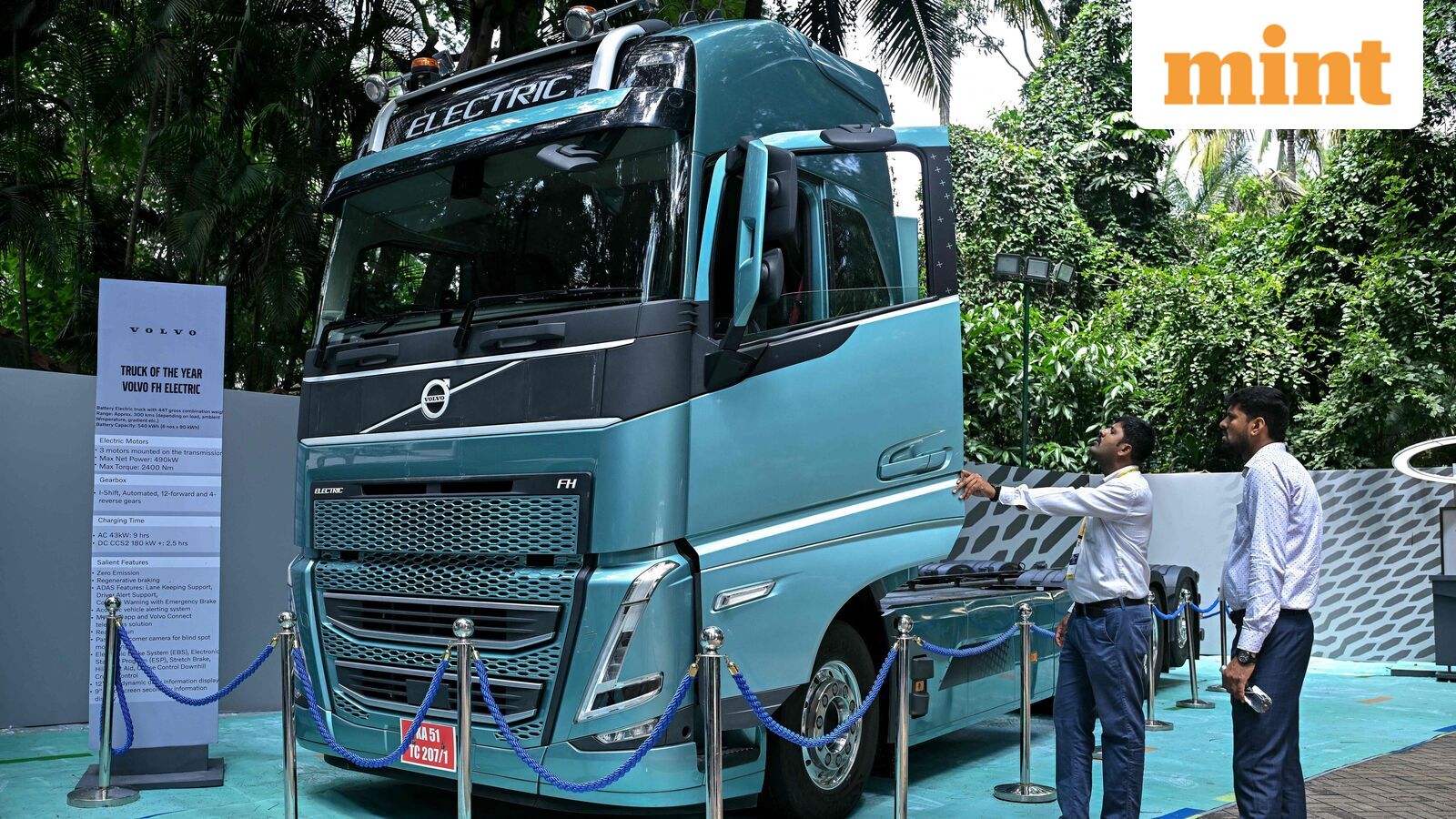
India is stepping up efforts to move its trucking sector away from diesel and toward electric power, though high vehicle costs, weak charging infrastructure and limited demand have slowed progress so far. Earlier this week, Niti Aayog launched a new initiative called the Platform for Aggregating Clean Transport (PACT) under its 2022 e-FAST India program, aiming to consolidate demand for electric trucks.
The urgency behind the push is evident in the numbers: only 1,688 electric medium and heavy trucks were sold in 2026, compared to 266,112 diesel trucks during the same period.
Diesel trucks make up just 3% of India's vehicle fleet but contribute about 34% of the country's vehicular carbon emissions, according to Niti Aayog. They also account for 55% of India's diesel demand. This issue has gained urgency amid energy security concerns following the Strait of Hormuz blockade during the US-Iran war that began in February. India relies on imports for 85-90% of its crude oil needs, spending $123 billion on crude imports in FY26, down from $137 billion the previous fiscal year. In May, Prime Minister Narendra Modi called for faster adoption of electric mobility across vehicle segments.
Despite this push, electric trucks remain a nascent market. Cost is the primary obstacle—an electric truck costs more than double its diesel equivalent, with upfront prices exceeding ₹1 crore. This requires a robust ecosystem of financing and charging infrastructure that India currently lacks. Charging infrastructure remains especially limited: only nine of India's 67,657 public EV charging stations, or 0.01%, have capacity above 240 kilowatts. Such high-capacity chargers are essential for heavy commercial vehicles like trucks and buses that use batteries exceeding 250 kilowatt-hours.
PACT is intended to address these gaps by aggregating demand for electric trucks across smaller regional clusters, which could help secure lower upfront costs and attract better terms from financiers and charge point operators, according to Christoph Wolff, founder of the Amsterdam-based think tank Smart Freight Centre, a knowledge partner with Niti Aayog on the e-FAST initiative.
The e-FAST India platform—short for Electric Freight Accelerator for Sustainable Transport-India—was established in 2022 to bring together stakeholders across the freight ecosystem and support pilot projects for electric medium- and heavy-duty vehicles. According to a Niti Aayog statement issued on September 7, PACT will aggregate freight demand from shippers, logistics service providers and other stakeholders, converting it into deployment opportunities along identified freight corridors.
Wolff noted that the platform must define what demand aggregation means in practice—what kind of demand, at what scale, and for what purpose—along with an operating model to support it. His organization has been active in India for the past three years.
Government support for electric trucks began with the PM E-Drive scheme in 2024, which offered ₹500 crore in subsidies for 5,643 medium- and heavy-duty electric trucks. However, uptake has been slow due to strict compliance requirements, including the mandatory scrapping of comparable diesel trucks to claim incentives. As of September this year, only 53 e-trucks had received incentives under the scheme, which is set to run through FY28.
More recently, the Bureau of Energy Efficiency under the Union power ministry has begun developing fuel economy norms for trucks to cut fuel consumption and encourage cleaner powertrains. The government is also collaborating with industry to build a domestic truck-testing tool for collecting real-world emissions data.
Speaking last week at the Society of Indian Automobile Manufacturers' annual convention, Tarun Kapoor, advisor to the Prime Minister in the Prime Minister's Office, said India needs to shift to electric mobility