India
Gadkari Announces 2027 Deadline for Nationwide Barrier-Free Toll Collection
By Faisal Malik
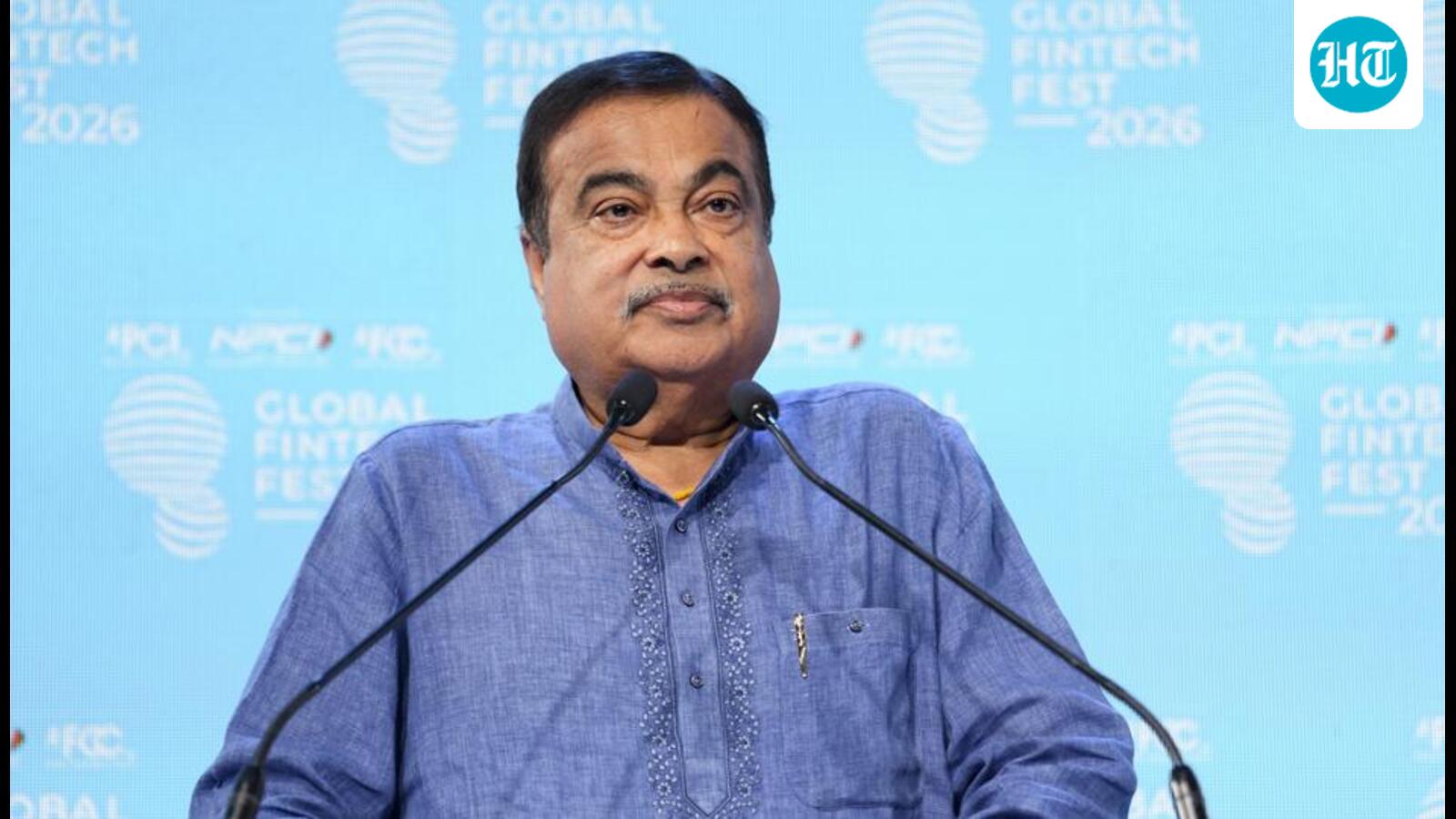
Union road transport and highways minister Nitin Gadkari announced that India is transitioning to a fully digital, barrier-free toll collection system that is expected to be operational nationwide by February-March 2027. Speaking at the Global Fintech Fest in Mumbai on Friday, Gadkari said the new system will rely on the Multi-Lane Free Flow (MLFF) model, which uses overhead gantries to identify and charge vehicles as they pass at regular speeds, eliminating the need to stop or slow down.
Gadkari said he has directed officials to complete the project by December 2026, with 60% to 70% of the work expected to be finished by the end of this year. "By February-March, a barrier-free toll plaza system will be implemented across the country," he said, adding that the goal is to eliminate stoppages entirely, thereby cutting fuel consumption and reducing operational costs at toll plazas.
In May, Gadkari had inaugurated the country's first barrier-free tolling system at the Mundka-Bakkarwala Toll Plaza on Delhi's Urban Extension Road-II. He explained that under this model, vehicles will not need to stop at any toll plaza, which will also lower maintenance costs. According to Gadkari, the current operating cost of toll plazas ranges between 12% and 15%, but this is expected to drop to 2% to 4% once the barrier-free system is rolled out nationwide, resulting in annual savings of ₹6,000 crore to ₹7,000 crore.
The minister credited the electronic toll collection system FASTag with already transforming toll operations by cutting waiting times and removing the need for cash transactions. He noted that waiting times, which used to average 12 minutes and sometimes stretch to 30 minutes at certain locations, have improved by 80% to 90% due to software developed to monitor waiting times at each toll plaza. However, he said further improvement is needed so that commuters do not have to wait at all.
Gadkari cited data showing that reduced waiting times at toll plazas have led to annual savings of about 71 crore hours and 56 crore litres of fuel, amounting to fuel savings worth approximately ₹5,250 crore. He estimated the economic value of time saved by commuters at ₹68,500 crore annually, calling it a major benefit for the public.
He further stated that the broader adoption of FASTag and the shift to digital tolling have generated estimated annual benefits of ₹20,000 crore to ₹25,000 crore for the government. "If you compare the system before and after FASTag, the benefit to our department alone comes to around ₹20,000 crore to ₹25,000 crore per year," Gadkari said.