World
Xi Jinping's Upcoming India Trip May Ease Political Tensions, But Economic Distrust Persists
By Reuters
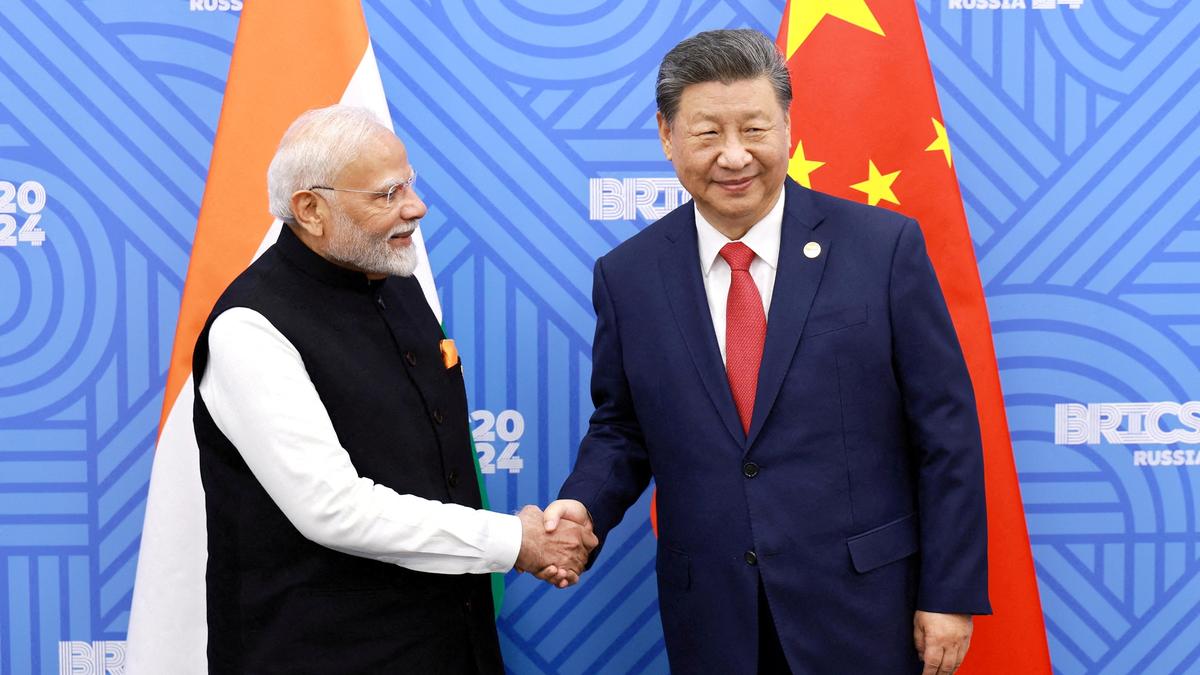
Chinese President Xi Jinping is expected to make his first visit to India in seven years this week, a trip likely to strengthen the diplomatic thaw between the two Asian giants. However, analysts say meaningful improvement in business relations remains elusive, as investment restrictions, visa delays, and equipment export limitations continue to strain commercial ties.
Mr. Xi is anticipated to attend the annual BRICS summit in New Delhi this weekend, though Beijing has not officially confirmed his participation. It also remains unclear whether he will hold a direct meeting with Prime Minister Narendra Modi, a meeting many see as essential for shaping the future of bilateral relations.
India and China have maintained a cautious relationship since fighting a brief war in 1962. Tensions escalated further after a deadly border skirmish in 2020 that killed 20 Indian and four Chinese soldiers. Despite this history, relations have shown signs of improvement in recent years, particularly following Mr. Modi's visit to China last year, as both countries navigate complex trade relationships with the United States.
Lin Minwang, a South Asia expert at Fudan University in Shanghai and former Chinese diplomat in New Delhi, said China is interested in improving relations but is uncertain about India's level of commitment. He does not expect major breakthroughs. Harsh Pant of the Observer Research Foundation in New Delhi noted that a significant trust deficit remains between the two nations, though China's economic strength presents an opportunity for both countries to become more reliable partners, especially given shared challenges from U.S. trade policies.
In March, India relaxed certain restrictions on Chinese investment that had been imposed after the 2020 border conflict, particularly in electronics, capital goods, and solar cell industries. India is also exploring faster approval processes for India-China joint ventures in select sectors. Since then, New Delhi has approved several notable projects, including a manufacturing partnership between India's Dixon Technologies and China's Vivo Mobile.
Despite these steps, major Chinese firms such as BYD and Great Wall Motor have not returned to India, having previously abandoned investment plans due to increased governmental scrutiny, according to an Indian government source. Both companies declined to comment on the matter.
Meanwhile, Chinese authorities are also increasing scrutiny of their own companies' investments in India, particularly in sectors involving advanced manufacturing and high technology, according to two anonymous sources familiar with the matter.
China's Foreign Ministry stated that both Mr. Xi and Mr. Modi, who had a brief meeting earlier this month at a regional summit in Kyrgyzstan, view their countries as partners rather than competitors, emphasizing mutual opportunities rather than threats. India's Trade and Foreign Ministries did not respond to requests for comment.
In a related development, India has rejected a proposal from Alipay, a platform affiliated with China's Ant Group, to integrate with India's instant payment system, citing national security concerns. Additionally, India is reviewing a recommendation from its Serious Fraud Investigation Office to investigate Chinese smartphone maker Xiaomi over alleged financial irregularities and violations of foreign investment regulations. Xiaomi maintains that it adheres to all local laws and has not been contacted by the SFIO.
One Indian source also revealed that Chinese authorities have instructed companies to withhold the sale of critical technologies and infrastructure equipment to India, including port machinery, solar panels, and mobile manufacturing tools. China's Commerce Ministry has not responded to inquiries about this claim.
Last year, India and China resumed direct flights and simplified visa procedures for Chinese business travelers. However, some Indian business professionals seeking to travel to China have recently encountered visa difficulties, according to sources. China's Foreign Ministry stated that it issues visas to Indian nationals with legitimate travel needs in accordance with the law.
This year, Chinese-made equipment critical to India's solar energy, electronics, and infrastructure sectors has reportedly been delayed at Chinese customs. One Indian government official noted that large boring machines needed for major infrastructure projects have been stuck for over a year.
Ajay Srivastava, founder of the Global Trade Research Initiative and a former Indian trade negotiator, said these delays reflect more than bureaucratic inefficiency, suggesting China may be using India's dependence on its technology and trade as leverage.
Despite these challenges, a potential meeting between Mr. Modi and Mr. Xi could help ease some of these tensions. Anup Wadhawan, a former senior Indian trade official, said that high-level meetings between the two leaders always offer opportunities to better align political and economic interests, though he emphasized that commercial ties ultimately depend on the mutual economic interests of both nations' citizens.