India
Opposition Warns Delimitation Could Favor BJP Through Gerrymandering
By Aastha Jha
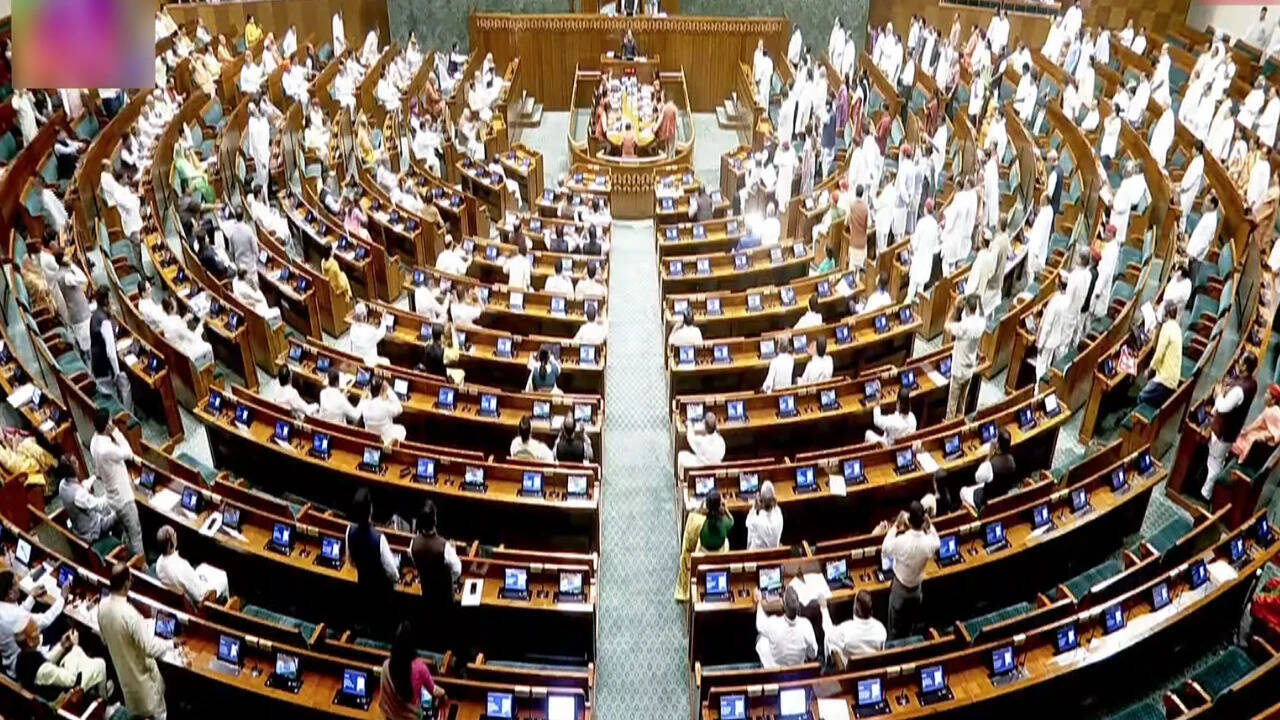
The opposition fears that the upcoming delimitation process could redraw constituency boundaries in a way that gives the BJP an electoral advantage ahead of the 2029 Lok Sabha polls. The concern, known as gerrymandering, involves manipulating electoral boundaries to benefit one party without changing the number of MPs a state sends to Parliament. Even if states retain their current share of seats, redrawing internal boundaries could alter which voters are grouped together, weaken established strongholds, and change outcomes in individual constituencies.
Rahul Gandhi, the Lok Sabha opposition leader, has accused the BJP of seeking to redraw India’s electoral map to its advantage. Gerrymandering is defined as drawing constituency lines to help one party win more seats than its overall vote share would suggest. Two common tactics are packing—concentrating opposition voters into a few constituencies—and cracking—splitting a voter group across many constituencies so it becomes a minority everywhere.
The term originates from a 1812 U.S. incident involving Massachusetts governor Elbridge Gerry, whose redistricting plan produced a salamander‑shaped district, giving rise to the word.
Delimitation is not limited to seat allocation; it also involves redrawing constituency boundaries. The opposition argues that protecting the relative share of seats for each state is insufficient, as boundary changes can significantly alter voter distribution. Examples from Assam and Jammu & Kashmir are cited to illustrate how boundary changes can shift electoral arithmetic without changing total seats or voter rolls.
In Assam’s 2023 delimitation, the state retained 126 assembly seats but redistributed them: Barak Valley’s seats fell from 15 to 13, Barpeta from eight to six, and the Bodoland Territorial Region gained four seats. Reservation patterns changed, with SC seats increasing from eight to nine and ST seats from 16 to 19. The number of Muslim‑dominated constituencies dropped from about 35 to 24, affecting parties traditionally strong in those areas. The exercise aimed to improve representation and reduce disparities in constituency size, narrowing the gap between the smallest and largest constituencies from 3.54 times to 3.15 times.
The Delimitation Commission, established under the Delimitation Commission Acts of 1952, 1963, 1973, and 2002, has the authority to draw boundaries. Its orders are legally binding and cannot be challenged in court. The opposition seeks assurances that the commission will act impartially and that boundaries will not be drawn to benefit the ruling party.
The Centre’s proposal to increase Lok Sabha seats by 50% and to protect each state’s relative share of seats for 25 years addresses part of the debate. However, opposition leader Mallikarjun Kharge argues that absolute numbers also matter, as the increase would widen the gap between southern states and others, potentially disadvantaging southern MPs.
Thus, the debate has two dimensions: how parliamentary representation is distributed among states, and how constituency boundaries are drawn within those states. The opposition’s core question remains whether delimitation will simply reflect population changes for fair representation or whether new boundaries could reshape the electoral contest in favor of those in power.