Law & Justice
Gauhati High Court Recognizes Talaq-E-Hassan as Legal, Orders Registration Under 2024 Assam Law
By PTI
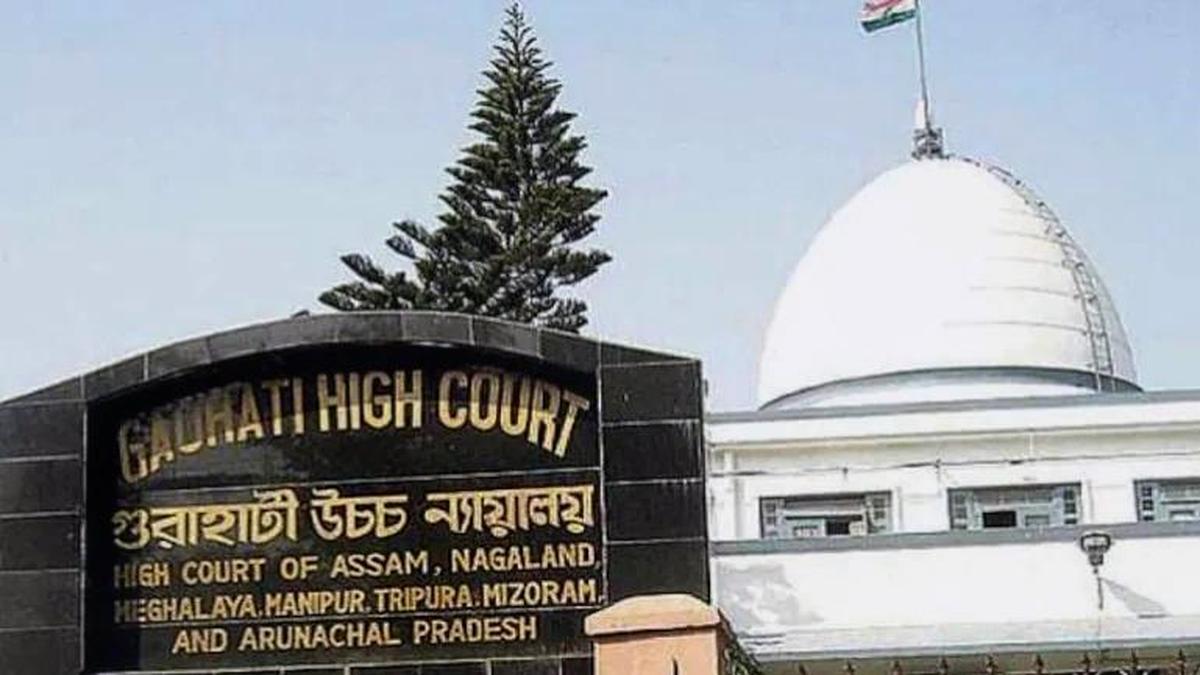
The Gauhati High Court has ruled that Talaq-E-Hassan is a legally valid form of divorce and is not prohibited under Indian law, while instructing a petitioner to seek registration of his divorce through the Marriage and Divorce Registrar in Barpeta under the Assam Compulsory Registration of Muslim Marriages and Divorce Act, 2024.
Justice Arun Dev Choudhury issued the ruling on Tuesday, September 8, 2026, while hearing a writ petition related to the registration of a divorce executed via Talaq-E-Hassan.
According to the petitioner, he married in 2016, but the relationship deteriorated after his wife reportedly left their marital home in 2018. Efforts to reconcile the couple were unsuccessful. The petitioner then pronounced Talaq-E-Hassan on three separate occasions — March 22, April 26, and May 27, 2026 — before seeking to have the divorce registered under the relevant law.
He contended that Talaq-E-Hassan is a permissible form of divorce and that he had fulfilled all necessary conditions for it to take effect. The State, in response, argued that the 1935 law under which the earlier registration authority operated had since been repealed, meaning that authority no longer had the power to register such divorces.
Justice Choudhury affirmed that the Talaq-E-Hassan pronounced by the petitioner constituted a valid and legally recognized form of divorce. However, he declined to order the previous Barpeta authority to register the divorce, citing the repeal of the 1935 law and the subsequent abolition of the post associated with it.
Instead, the court directed the petitioner to approach the Marriage and Divorce Registrar with jurisdiction under the 2024 Act. The Registrar has been instructed to verify the petitioner’s identity and confirm that the divorce was properly executed before determining whether registration is warranted under Section 12 of the Act. Should registration be denied, the petitioner retains the right to appeal under Section 17 of the same Act.
The court further noted that the petitioner’s wife, who did not appear despite being served notices, remains entitled to contest the validity of the Talaq-E-Hassan before an appropriate legal forum.
The writ petition was subsequently disposed of by the court.