India
High Court Scrutinizes Chhattisgarh Disability Shelters Amid Deaths and Mismanagement Claims
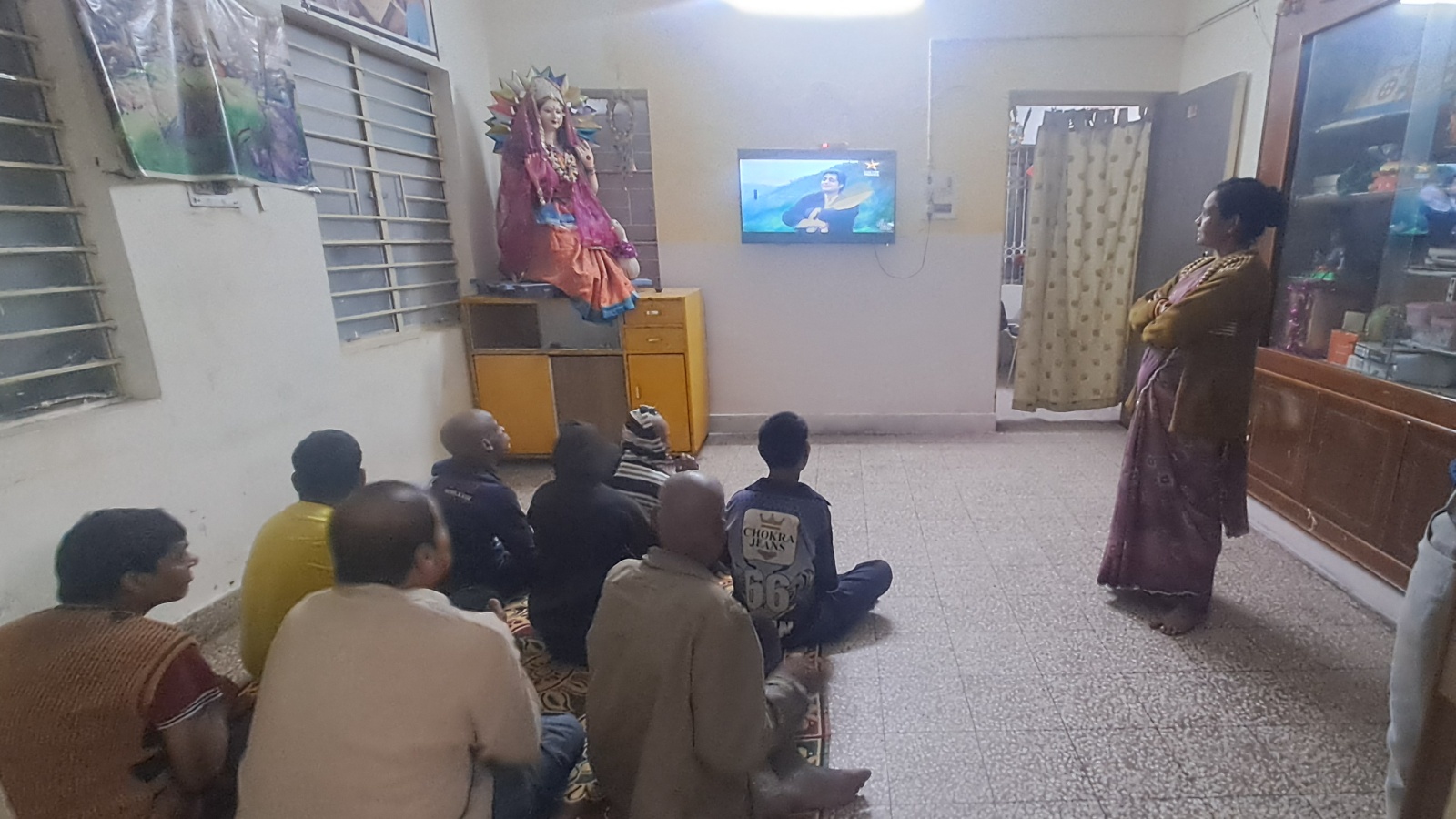
A report by lawyers acting as commissioners for the Chhattisgarh High Court has highlighted serious deficiencies in the state’s 11 Gharaunda shelters, which are meant to provide lifelong care for persons with disabilities, including those with mental illnesses. The report cites inadequate medical care, lack of round‑the‑clock nursing, insufficient psychiatric support, and missing records of medical emergencies. It also notes five deaths at one women’s centre this year, including that of a child.
The shelters are funded by the Chhattisgarh government under a central initiative launched in 2015. Each centre receives Rs 3 lakh annually for non‑recurring expenses and the state allocates about Rs 1.02 lakh per inmate per year. These funds are intended to cover staff honoraria, utilities, food, clothing, medicines, and other necessities for roughly 317 inmates across the state.
The commissioner’s inspection of the Raipur centre, where five deaths have occurred this year, found no documentation of mandatory death notifications to authorities. Director of the Social Welfare Department, Gajendra Singh Thakur, said he had ordered a full inspection of all Gharaundas.
Samvedhna, a non‑government organisation that runs the Raipur shelters, disputes the report’s findings. Owner Meena Sharma, who also oversees the Raipur Gharaunda centres, says the organisation provides good food, skills training, and celebrates festivals for inmates. She notes that the state funding is insufficient and the organisation supplements it with its own money.
The death of a child at the Raipur centre shocked Sharma. The boy, who was staying at the centre because his mother was an inmate, fell while playing, was admitted to hospital the same day, and died on August 10 from sepsis and refractory shock. Hospital records also list neurocysticercosis, anaemia and tuberculosis. The centre’s staff claimed the boy was healthy before the fall, but the commissioner’s report said the connection between the fall, subsequent illness and death remains unclear.
In Bilaspur, the commissioner’s report highlighted poor food quality, unhygienic toilets and inadequate medical records. It also described a male inmate who was tied to the four corners of his bed because he was considered aggressive, and a female inmate who was unclothed for nearly three hours. No medical advice or record authorising the restraint was found. The male inmate was released after intervention, while the female inmate was not aggressive.
The Bilaspur Gharaunda in‑charge did not respond to inquiries. The petitioner, Kopal Vani Child Welfare Organisation, had run the Raipur shelters until 2020 before Samvedhna took over.
In August 2023, a two‑judge bench of the High Court asked the Social Welfare, Public Health and Finance departments to file affidavits on the matter. The court appointed 11 commissioners to inspect the 11 Gharaundas. In 2024, a bench including then Chief Justice Ramesh Sinha intensified scrutiny after commissioners flagged poor hygiene, inadequate infrastructure, lack of accessible toilets, fund misuse and absence of monitoring committees. Consequently, the Bilaspur women’s centre was moved from Dipupara to Tifra in September 2024. At the last hearing on November 3, the court said it had received reports from the Raipur and Bilaspur centres, sought responses from the others and scheduled a follow‑up hearing for December 3.
Frequently asked questions
How many Gharaunda shelters are being inspected by the High Court?
11 shelters.
What annual funding does each Gharaunda centre receive from the state?
About Rs 1.02 lakh per inmate per year.
How many deaths have occurred at the Raipur women's centre this year?
Five deaths, including that of a child.