World
Bangladesh PM Skips BRICS Summit as Dhaka Clarifies Invitation Was for BIMSTEC Chair, Not Bilateral Visit
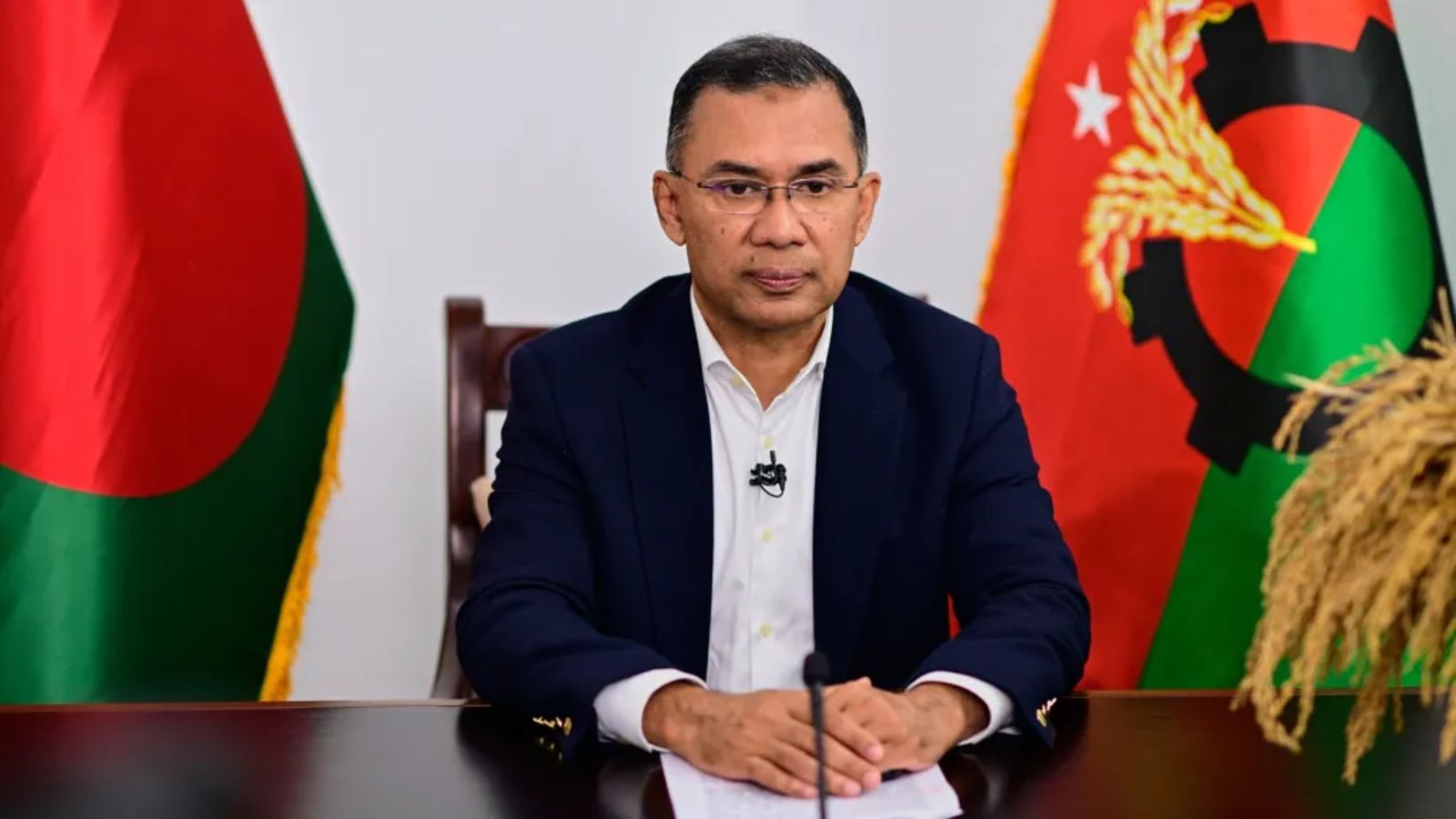
Bangladesh has ruled out Prime Minister Tarique Rahman's participation in the upcoming BRICS Summit in New Delhi, with officials clarifying that he was invited in his capacity as chair of BIMSTEC rather than as Bangladesh's prime minister. India is set to host the 18th BRICS Summit on September 12 and 13, bringing together leaders from BRICS member and partner nations along with outreach invitees.
Bangladesh Foreign Minister Khalilur Rahman, who recently became President of the United Nations General Assembly, will also be absent from the summit, leaving uncertainty over Bangladesh's representation at the event. There had been speculation that newly elected Bangladesh President Mirza Fakhrul Islam Alamgir might attend, but no official confirmation has been given, even with the summit just two days away.
According to India's Ministry of External Affairs (MEA), New Delhi extended two separate invitations to Rahman: one for a standalone bilateral visit after he took office in February, and another for the BRICS outreach session in his role as BIMSTEC chair. MEA spokesperson Randhir Jaiswal said the invitation followed standard BRICS practice, noting that other regional group leaders received similar invitations for the outreach sessions.
Bangladesh State Minister for Foreign Affairs Humaiun Kobir confirmed on Thursday that Rahman would not attend the summit, though he noted Bangladesh could send another government representative. Kobir emphasized that the invitation was extended to the BIMSTEC chair position, not to the Bangladesh prime minister specifically. "Our prime minister was not invited. Who told you that our prime minister was invited? The BIMSTEC Chair was invited," he said in response to questions from reporters. Bangladesh currently chairs BIMSTEC, the seven-nation South and East Asian regional grouping.
Kobir indicated that Dhaka considers Rahman's first visit to India should be a standalone bilateral one rather than tied to a multilateral summit. "We are placing greater emphasis on bilateral visits and discussions," he said, adding that such a visit would take place "when the environment is favourable" and there was "no need to rush."
Indian and Bangladeshi officials have been coordinating on potential dates for a bilateral visit, with informal discussions earlier suggesting a possible short trip by Rahman to New Delhi in late August. However, Dhaka reportedly set a precondition that a "propitious environment" be established first, referencing the presence of former Prime Minister Sheikh Hasina in India and her public remarks from New Delhi on August 5. Rashtrapati Bhavan had briefly announced cancellation of a Change of Guard ceremony scheduled for August 21, citing rehearsals for a ceremonial welcome of the Bangladesh prime minister, before withdrawing that statement an hour later. Neither government has confirmed specific dates for a bilateral visit.
On other matters, Kobir said Bangladesh would act with "full gravity and efficiency" regarding issues affecting its national interests, including the upcoming expiration of the Ganges Water Sharing Treaty. The 1996 agreement, which governs dry-season water sharing between the two countries, is set to expire in December.
Regarding bilateral trade, Kobir said discussions between the two countries were progressing positively, though he had no new developments to announce at this time.
Earlier this year, India sent Lok Sabha Speaker Om Prakash Birla to Bangladesh on February 17 to attend the inauguration of Rahman's Bangladesh Nationalist Party government following elections held on February 12. Birla delivered a letter from the Indian prime minister congratulating Rahman and inviting him to visit India with his wife and daughter.
Relations between the two countries, which had been strained since Hasina's ouster in August 2024 and her subsequent refuge in India, showed signs of improvement after Rahman assumed office in February. However, Hasina's public audio address from New Delhi on August 5, marking two years since her removal, drew criticism from Dhaka, which has been pursuing her extradition to face charges carrying a possible death sentence in Bangladesh. The incident also complicated plans for Rahman's visit to India.
The extradition request was originally filed by the interim government under Muhammad Yunus in 2024 and has since been renewed by the current BNP government. India has stated that the request is "being examined," while emphasizing its interest in building a forward-looking relationship based on "mutuality of interests and reciprocity" with Bangladesh.