India
India’s Power Minister Calls for Expanded Nuclear Capacity to Meet Rising Demand
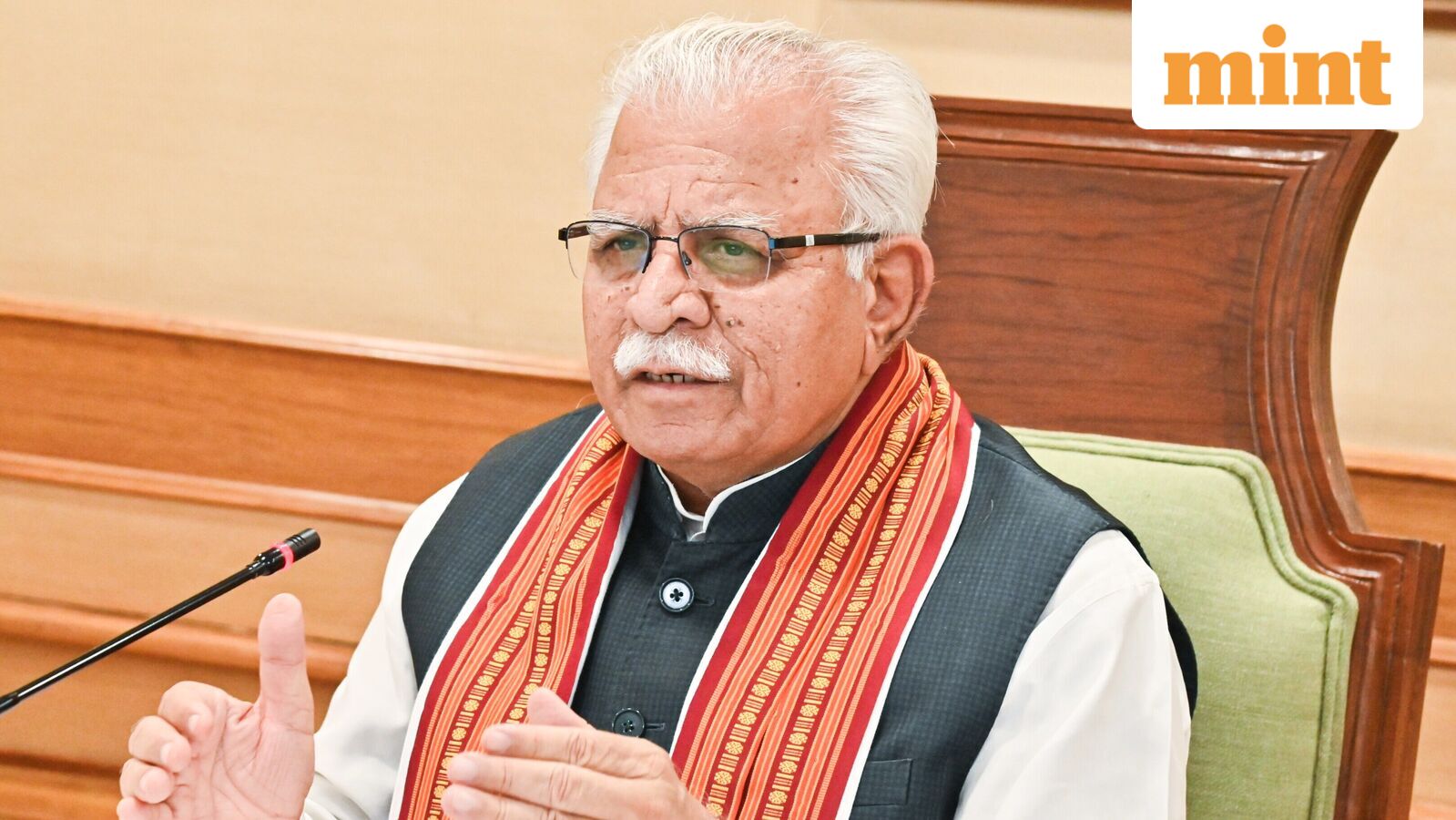
Union power minister Manohar Lal said on Friday that India must increase its nuclear power generation to raise the share of clean and reliable electricity as power demand grows. Speaking at the power ministers’ conference, he urged states to adopt policies that strengthen the financial health of power distribution companies.
Lal noted that India’s nuclear capacity is about 8,500 MW, with a similar amount under expansion and 24 sites under construction. He said that as artificial intelligence adoption rises, 24/7 reliable power from nuclear plants will be essential, noting that other sources such as solar can be disrupted by weather. He added that once nuclear power is established, it will provide a stable supply for the next 60–70 years.
The government aims to reach 100 GW of nuclear capacity by 2047. In December 2025, Parliament passed the Sustainable Harnessing and Advancement of Nuclear Energy for Transforming India (SHANTI) Bill, which eases norms for nuclear plants and allows private investment and global technology partners.
Lal highlighted that India’s power sector offers an investment opportunity of ₹200 trillion over the next two decades and called for cooperation among stakeholders.
Union power ministry secretary Pankaj Agarwal said India added about 60 GW of generation capacity last year, 87 % of it from non‑fossil sources, bringing total installed capacity to roughly 563 GW.
The minister also addressed the weakening financial health of power distribution companies (discoms). He noted that discoms had reduced cumulative losses from ₹7 trillion in 2017 but are again approaching high losses. However, discoms posted a combined profit of ₹2,600 crore in FY25, a positive development. He said the next challenge is to sustain this turnaround as rising demand requires expansion, and that losses must be plugged and discom finances strengthened through policy, operational and regulatory changes.
The conference will focus on issues such as implementation of resource adequacy plans, accelerated energy storage deployment, inter‑state and intra‑state transmission, financial viability of discoms, the revamped distribution sector scheme (RDSS) with smart metering, feeder separation and household electrification, and nuclear site matters. Lal warned that regulations should not push discoms into losses and that unresolved gaps with regulators and state governments continue to stress discoms.
Rituraj Baruah is a special correspondent covering energy, housing, urban affairs, heavy industries and small businesses at Mint. He has reported on diverse sectors over the last eight years, including commodities and stocks markets, insolvency and real estate, and has worked previously for Cogencis Information Services, Indo‑Asian News Service (IANS) and Inc42.
Frequently asked questions
What is India's current nuclear capacity?
India’s nuclear capacity is about 8,500 MW, with a similar amount under expansion and 24 sites under construction.
What is the target nuclear capacity for India by 2047?
The government aims to reach 100 GW of nuclear capacity by 2047.
What does the SHANTI Bill allow?
The SHANTI Bill eases norms for nuclear plants and allows private investment and global technology partners.