Business & Finance
US Retailers Brace for Black Friday and Cyber Monday Amid Economic Uncertainty
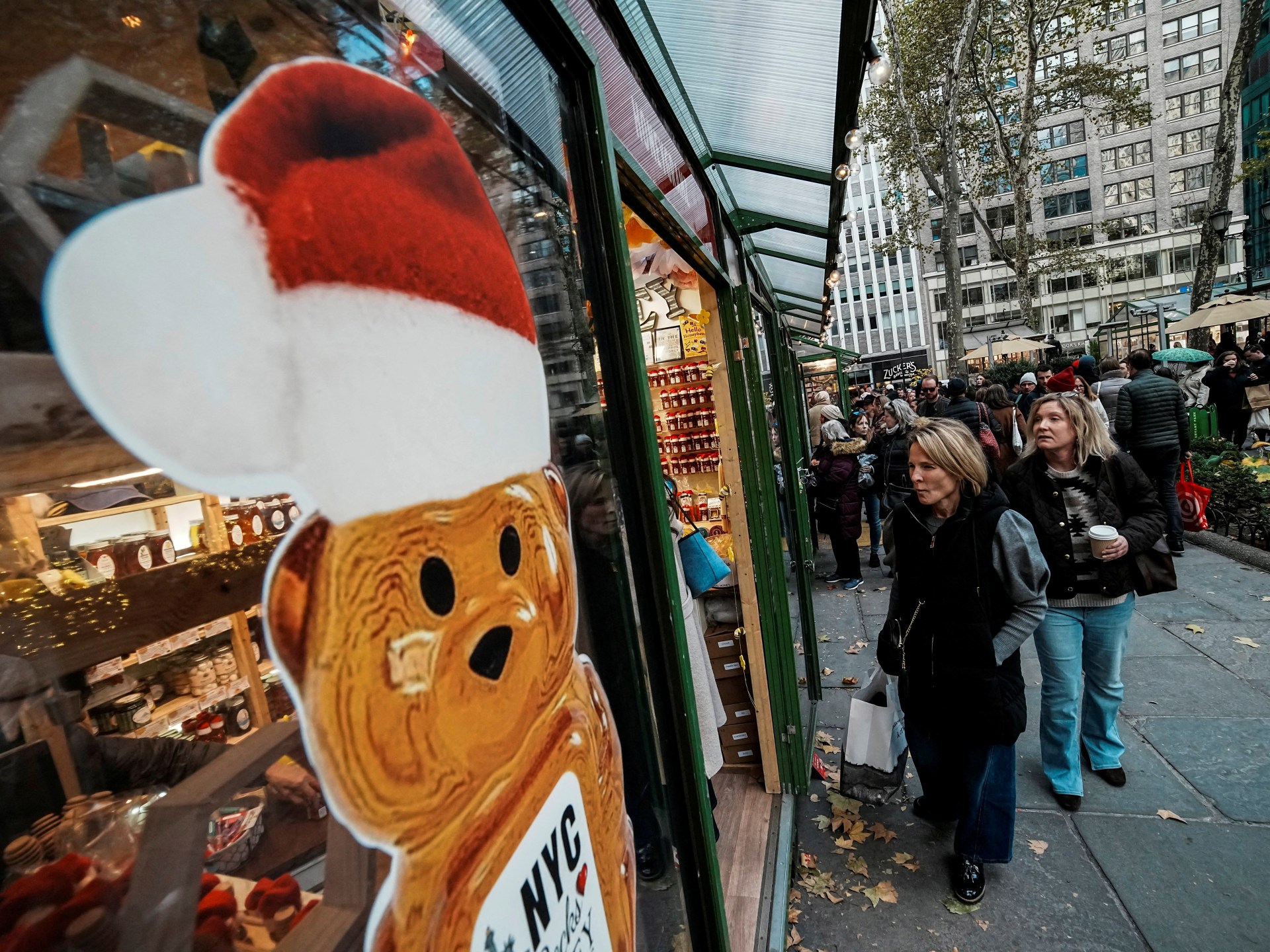
Retailers across the United States are preparing for Black Friday and Cyber Monday, two of the year’s biggest sales events, offering steep discounts to attract bargain hunters. The day after Thanksgiving, known as Black Friday, marks the unofficial start of the holiday shopping season, though many stores began rolling out deals weeks earlier. This year’s frenzy occurs against a backdrop of economic uncertainty, with household budgets stretched and consumers weighing holiday wish lists against rising living costs.
The tradition of Thanksgiving and holiday shopping dates back more than a century. In 1924, Macy’s launched its Thanksgiving Day Parade, a spectacle that drew shoppers into its department store. By 1939, President Franklin D. Roosevelt moved Thanksgiving to give retailers an extra week to boost sales during an economic downturn. The term “Black Friday” originally referred to financial turmoil in the 1860s and later to the chaos on Philadelphia streets in the 1950s. By the 1980s, retailers rebranded the day as a profitable shopping event.
Cyber Monday, the online counterpart, has grown in popularity but Black Friday remains the larger event. According to the National Retail Federation (NRF), 126 million Americans are expected to shop on Friday versus 66.1 million on Monday. While online shopping is still the most common option—53 percent plan to shop online this season, the lowest since 2015—about 55 percent of holiday purchases will be made online, with 45 percent in physical stores, Deloitte reports.
Holiday spending is projected to exceed $1 trillion, but consumers are tightening budgets. A Gartner survey found that nearly 60 percent of Americans have less money to spend on holidays this year than last. About 57 percent of shoppers began holiday shopping in October or earlier. Spending on presents is expected to dip by 2 percent from last year, with millennials cutting 10 percent, PwC analysis shows.
The Conference Board predicts that consumers earning less than $125,000 a year will reduce gift spending, while those earning more will spend 3.6 percent more. Buy now, pay later services such as Klarna and Affirmpredicted a rise from 10 percent in 2020 to 16 percent in 2025, with nearly $2 billion of online purchases on Black Friday and Cyber Monday financed through these services, Adobe Analytics forecasts.
Not all advertised deals are genuine bargains. Groundwork Collaborative found that nearly 10 percent of Amazon’s Black Friday and Cyber Monday “deals” over the past two years were priced higher than before the promotion. Amazon began its 2025 Black Friday sales on November 19, offering up to 40 percent off some toys, 35 percent on select electronics, and 50 percent on Levi’s clothing. Walmart’s early Black Friday sales, analyzed by Walsight, showed that 23 percent of discounted items offered little or no meaningful savings.
Despite these findings, seasonal discounts at major online retailers could reach 30 percent. Toy discounts are expected to peak at 29 percent on Black Friday, while electronics discounts may reach 30 percent on Cyber Monday, Adobe Analytics estimates.
Frequently asked questions
How many Americans are expected to shop on Black Friday and Cyber Monday?
According to the National Retail Federation, 126 million Americans are expected to shop on Black Friday and 66.1 million on Cyber Monday.
What percentage of holiday purchases will be made online?
Deloitte reports that about 55 percent of holiday purchases will be made online, with 45 percent in physical stores.
What is the projected holiday spending for this year?
Holiday spending is projected to exceed $1 trillion.