Politics
From Anonymous Student to Protest Leader: How Abhijeet Dipke's 'Cockroach' Movement Toppled an Indian Minister
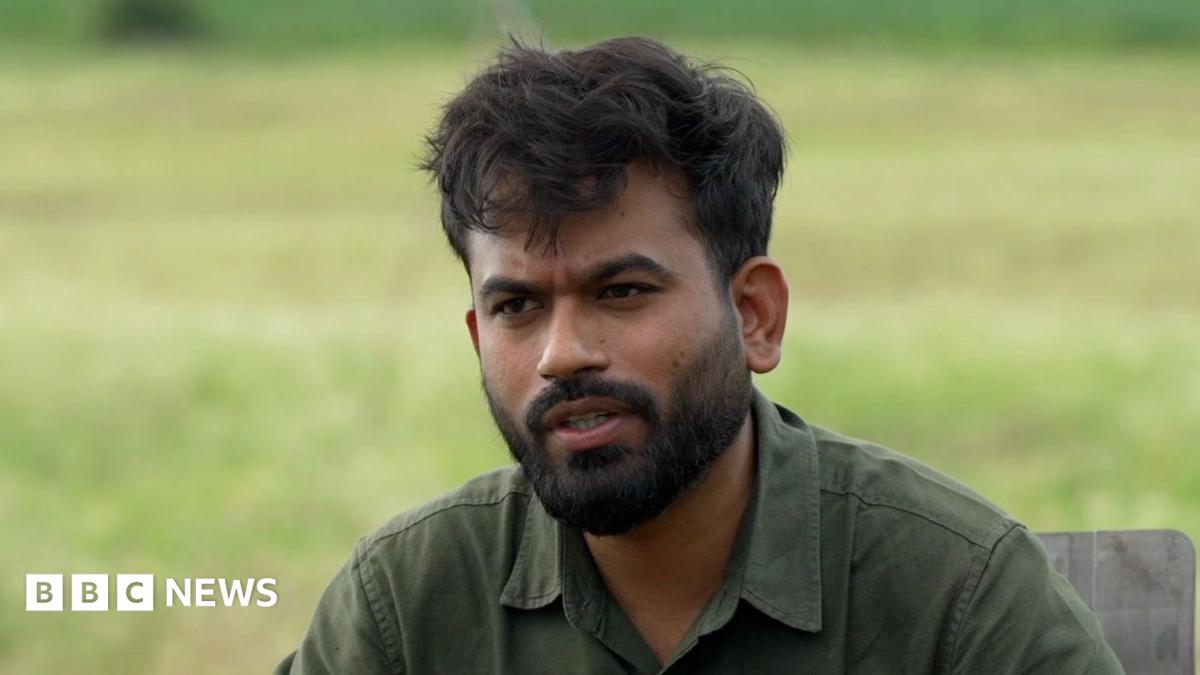
Abhijeet Dipke, a 30-year-old activist, has become one of India's most recognizable young political figures in less than three months, leading a youth movement that forced a government minister to resign. Dipke, who recently completed a master's degree in public relations at Boston University, is the founder of India's Gen Z "cockroach" protests.
"It's been a rollercoaster ride. Two-three months ago, nobody knew me. I was just in my room in Boston watching documentaries or attending lectures," Dipke said. "Now I'm here surrounded by hundreds of people, by cameras. It's a bit overwhelming."
In his hometown of Chhatrapati Sambhajinagar in Maharashtra, Dipke is now frequently approached by people wanting photos or handshakes. Before his time in the US, he had worked for three years with the Aam Aadmi Party, an opposition group that emerged from an anti-corruption movement.
The movement's origin traces back to 16 May, when Dipke posted on social media platform X: "What if all cockroaches come together?" The post responded to a comment by India's Chief Justice Surya Kant, who had compared unemployed youth to cockroaches. Kant later said his remarks were misunderstood and were aimed specifically at people using fake degrees, not youth in general — but the clarification failed to calm public anger.
Dipke said the post was unplanned. "It was totally spontaneous. I had no idea it would become such a big movement," he said. Following an overwhelming response, he and several former colleagues and activists founded the satirical Cockroach Janta Party (CJP), a name referencing both the chief justice's remark and Prime Minister Narendra Modi's Bharatiya Janata Party (BJP).
The campaign attracted both support and criticism, with government supporters trolling Dipke and the CJP online. Their website and X account were briefly blocked in India. Dipke said he was informed the content had been withheld under Section 69A of India's Information Technology Act, which permits blocking online material in the interest of national security and sovereignty. India's Ministry of Electronics and Information Technology did not respond to questions on the matter, though other media outlets reported officials citing