Law & Justice
Appeals Court Reopens Florida Couple’s Request for Emergency Injunction Over Stormwater Project Damage
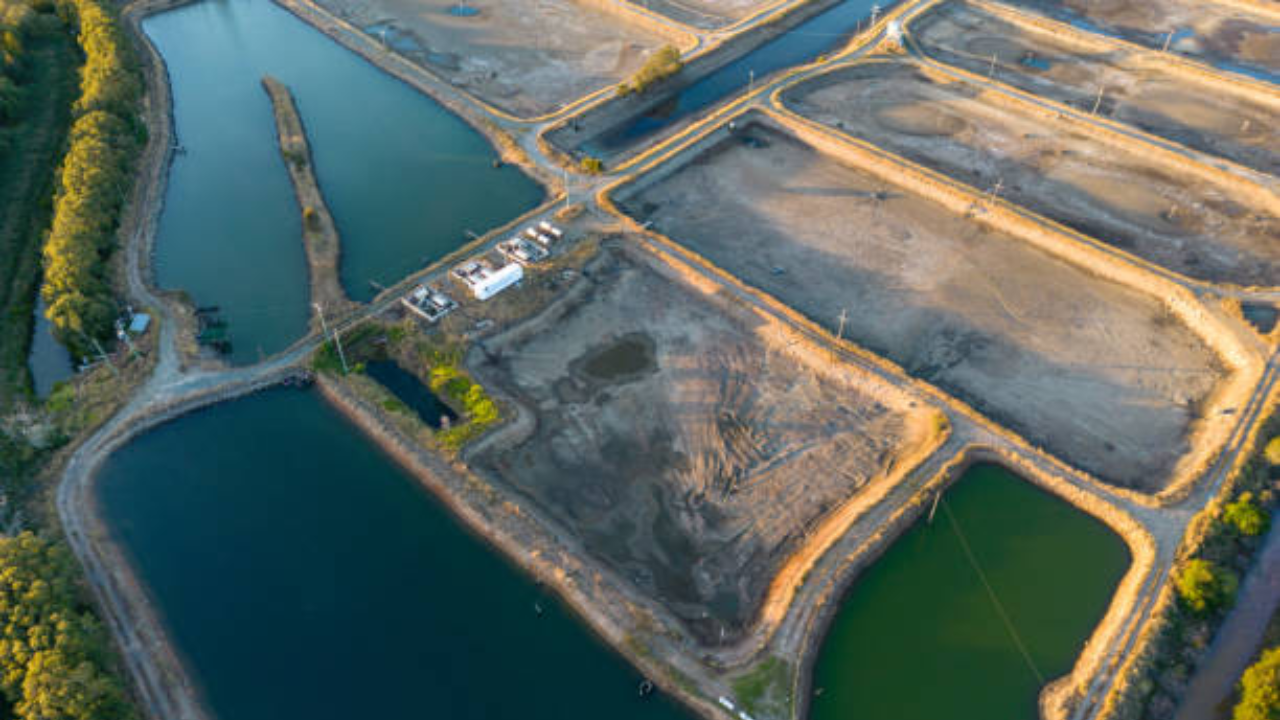
A federal appeals court on November 25 set aside a lower court’s refusal to grant a preliminary injunction to William and Ashley Merryman, a Florida couple who claim their home suffered structural cracks, toxic mold and a hole that let a snake into their daughter’s bedroom. The US Court of Appeals for the Eleventh Circuit found that the district court applied the wrong legal standard when assessing the couple’s claim of irreparable harm. The case was remanded for further proceedings.
The Merrymans, who own a single‑family home in Middleburg, Florida, allege that violations of the federal Clean Water Act related to the Pine Ridge stormwater pond project caused environmental changes and damage to their property. They first filed administrative complaints with state agencies, which did not resolve their concerns, and later filed a federal lawsuit without legal representation.
In a second motion for a preliminary injunction filed on April 30, 2025, the couple asserted imminent threats to their health and safety from structural damage, toxic mold, groundwater infiltration and pest access. They presented photographs of black mold and a large hole through which a live snake had recently entered their daughter’s bedroom.
The district court denied the injunction, citing the couple’s delay and the view that the alleged damage could be remedied through ordinary litigation and monetary compensation. The appeals court rejected both grounds, noting that the Merrymans had been required to revise their complaints several times and were representing themselves, factors that could explain the delay. The court also rejected the notion that property damage automatically precludes irreparable harm, especially when a home is involved.
The appellate judges emphasized that a preliminary injunction requires a showing that harm is likely, actual and imminent, and that monetary damages may be inadequate. They found the district court had focused too narrowly on property damage and failed to consider the alleged recreational and physical harm, including the snake incident.
The defendants had also raised arguments about the likelihood of the Merrymans succeeding on the merits of their lawsuit, but the appeals court did not address those questions because the district court had not considered them.
The case is now back in the district court for further proceedings consistent with the appellate opinion. The ruling does not establish that the state agencies caused the alleged damage or that the couple will ultimately receive an injunction.
Frequently asked questions
What damages did the Merrymans claim in their lawsuit?
They alleged structural cracks, toxic mold, a hole that allowed a snake into their daughter’s bedroom, and groundwater infiltration.
Why did the district court deny the preliminary injunction?
Because of the couple’s delay and the view that the damage could be remedied through ordinary litigation and monetary compensation.