India
Odisha Police Grants Women Officers 12 Days Menstrual Leave and Pregnancy Duty Exemptions
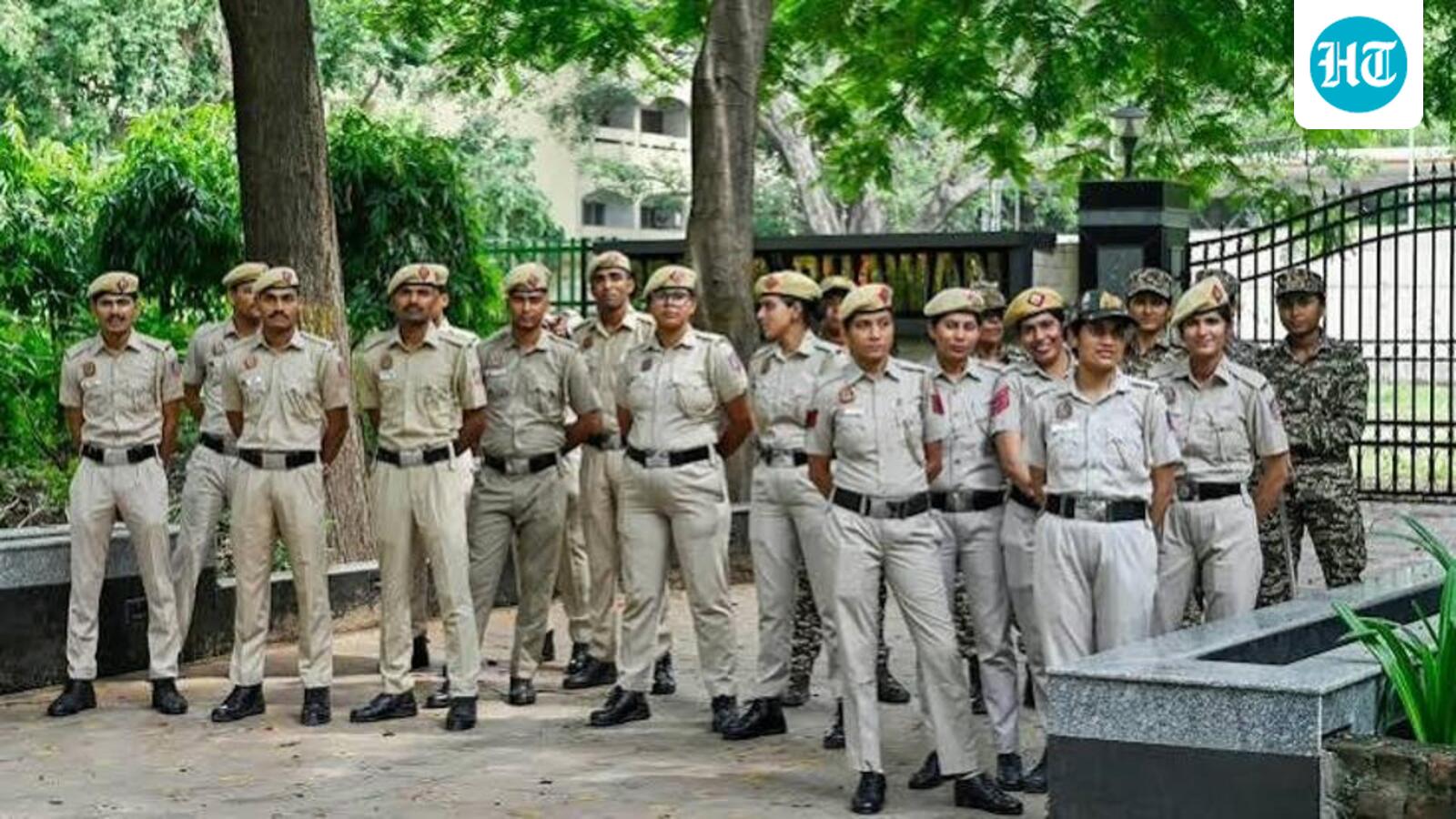
The Odisha Police has directed district superintendents of police (SPs) to grant women personnel 12 days of additional casual leave each year to manage menstrual discomfort and to exempt pregnant and lactating officers, where practicable, from night duties and strenuous assignments. In a letter issued to district SPs on Wednesday, the Crime Against Women and Children (CAW & CW) Wing advised that pregnant and lactating personnel should be exempted from strenuous physical duties involving prolonged standing, physical exertion and law‑and‑order deployments. Women experiencing severe menstrual discomfort may be assigned less strenuous duties, such as control‑room responsibilities, instead of physically demanding field assignments, wherever operational requirements permit.
The wing cited the disproportionate burden of household and caregiving responsibilities on women, alongside the demanding nature of police service, including round‑the‑clock duties, night deployments, stressful working conditions and time‑bound investigations, as factors adversely affecting the mental health and overall well‑being of women police personnel. It noted that some districts were not allowing eligible personnel to avail themselves of leave and directed all authorities to ensure that eligible personnel received the benefit upon application.
Citing a March 12, 2024, order of the state finance department sanctioning 12 days of additional casual leave annually for women government employees, the letter said women police personnel should be granted one day of additional leave every month to address physical discomfort during menstruation. It also called for reasonable breaks and flexibility in duty timings for pregnant and lactating women to facilitate breastfeeding and childcare requirements, citing provisions of the Maternity Benefit Act, 1961. "Nursing breaks should be allowed to enable mothers to attend to their infants. District SPs should sympathetically consider requests for additional leave supported by genuine grounds and medical certificates, particularly when women require more time for post‑delivery recovery, breastfeeding or newborn care," the letter said.
To address deployment‑related grievances, district SPs have been asked to attach a woman sub‑inspector, assistant sub‑inspector or havildar to the Force Section in each Reserve Office. The designated officer will facilitate the appropriate deployment of women havildars and constables and elevate genuine grievances to the Reserve Inspector and district SP. The directive also mandates the appointment of a woman officer of the rank of deputy superintendent of police (DSP) or additional SP as a well‑being officer in every district. The officer will serve as a point of contact for women personnel and facilitate grievance redressal.
Besides ensuring separate, clean and hygienic toilets, SPs have been asked to provide separate changing rooms at all duty posts and restore women’s rest rooms that have been diverted for other purposes. The directive also calls for regular gender‑sensitivity training for supervisory officers, timely disposal of sexual harassment complaints under the 2013 law, and access to professional counsellors and psychologists for personnel facing mental‑health challenges. District SPs have further been directed to earmark at least 15 minutes during monthly ‘Alochana Sabha’ meetings exclusively for interactions with women police personnel to discuss their gender‑specific concerns and grievances.