World
Rayner Says Legal Concerns Prompted Pause on Council Reorganisation Plans
By Today News Hours Editorial Desk
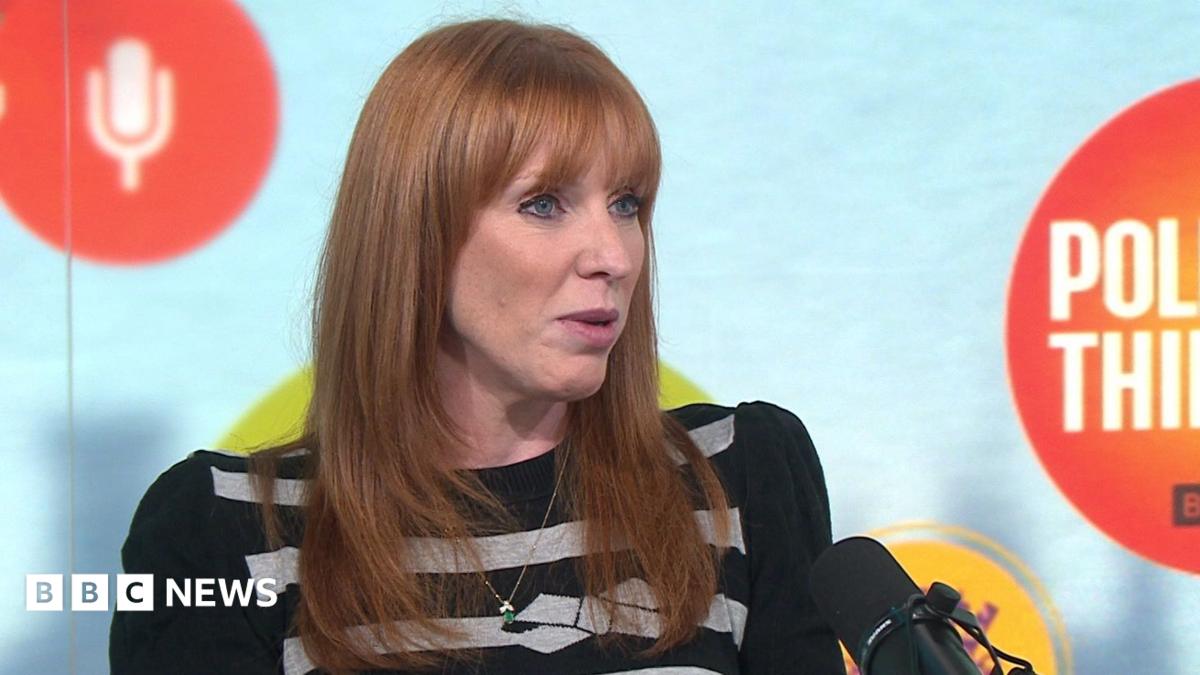
Angela Rayner has defended her decision to halt plans to redraw local council boundaries in parts of England, saying she needed to ensure the proposals could withstand legal challenges. The local government secretary told the BBC's Political Thinking with Nick Robinson podcast that she also wanted to be "clear-eyed" about what the planned reorganisation in 16 areas was likely to achieve.
Her comments follow an announcement earlier this week in which she abandoned reorganisation proposals for four areas after facing legal threats from Reform and Conservative-led councils. The move has cast doubt over the wider reform process and drawn criticism from local leaders who had already begun preparing for the changes.
Councils in the affected areas have spent time and money consulting residents and drafting proposals since the reorganisation was first announced in late 2024 — a process estimated to have already cost millions of pounds.
Rayner acknowledged that pausing the plans had been a "difficult" decision, recognising the effort local authorities had invested. However, she said she wanted to review all available information before proceeding, particularly after her return to the role under new Deputy Prime Minister Andy Burnham, ten months after resigning from a previous position.
"I got the legal advice and I hadn't had the time to review and go through all of that, and court cases were looming," she said. "If I'm making a decision that is highly likely to face legal challenge, I want to make sure I've dotted my i's and crossed my t's."
She added that Burnham had asked her to reassess the reorganisation blueprints, which were originally announced by her predecessor, Steve Reed.
In her announcement on Monday, Rayner confirmed that reorganisation plans for Essex, Hampshire, Norfolk and Suffolk — first proposed in March — would be withdrawn. Those plans had already faced legal challenges from Reform-led councils in Essex, Norfolk and Suffolk, as well as the Conservative-led council in Hampshire, with cases lodged over the summer.
She also said she intended to review plans covering 16 other areas, including 14 announced by Reed shortly before Burnham replaced Sir Keir Starmer as prime minister and reinstated Rayner in her former role. Some councils in those areas, including Kent and Leicestershire, had similarly threatened legal action over the lawfulness of the process.
The government has argued that eliminating remaining two-tier council structures — where county and district councils share service responsibilities — would make local government more efficient and cost-effective. Critics, however, have said the changes would not generate savings, could divert resources away from frontline services, and risk making councils less responsive to local communities. Others have warned the reorganisation could disrupt parallel efforts to create regional mayoral authorities, a key element of Burnham's economic strategy.
Elsewhere in the interview, Rayner said the Labour government should have moved faster to recognise a Palestinian state, something the party had pledged to do as part of a