Politics
Democrats Eye Funding Bill to Force End of Iran War
By Edna Mohamed
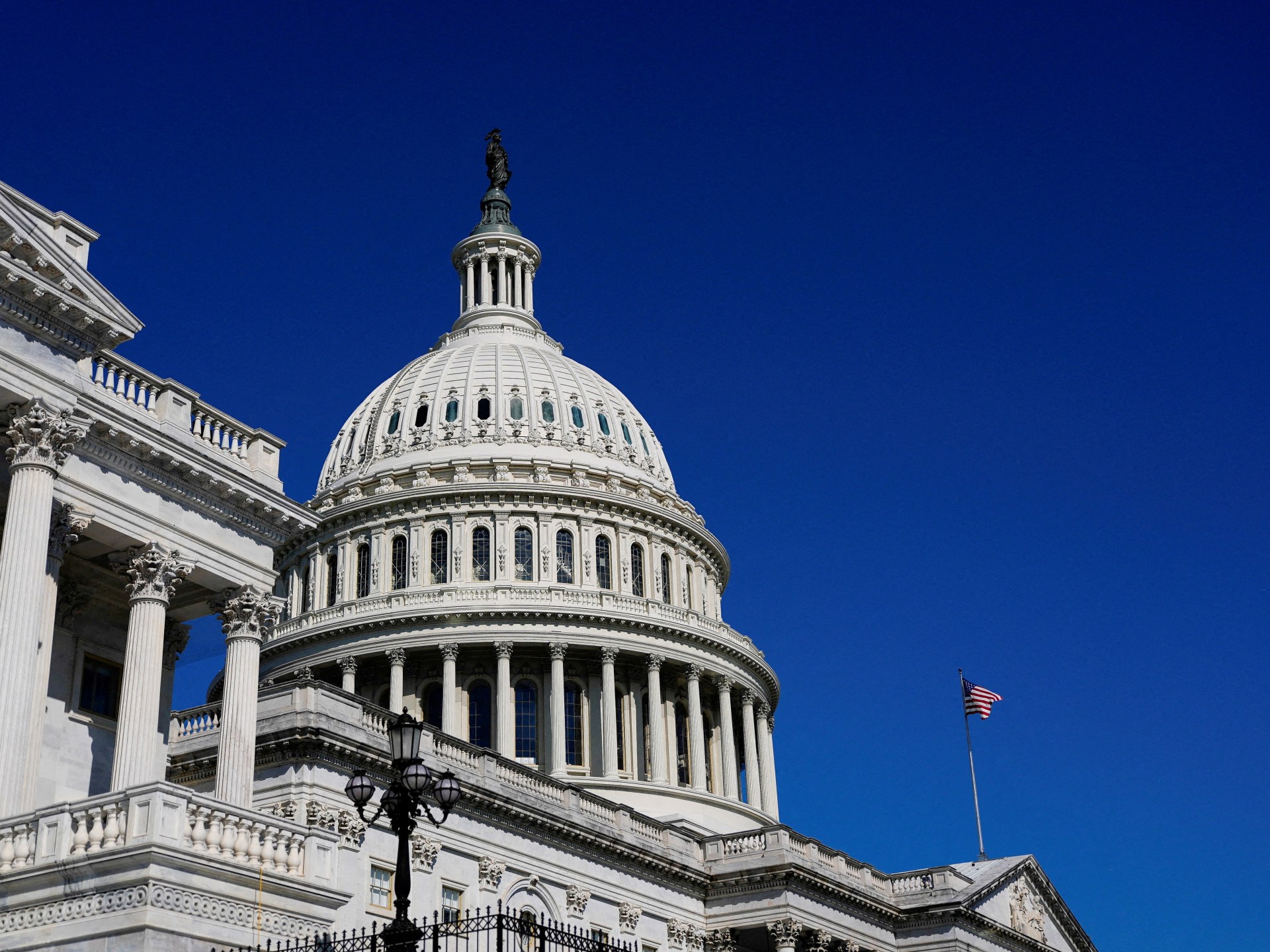
As the U.S. midterm elections conclude, Democrats are poised to take control of both chambers of Congress in January. Their focus is on ending the nine‑month conflict with Iran that has driven up food and fuel prices. Republicans and Democrats are negotiating a bipartisan funding package to avoid a government shutdown, as federal funding expires on December 11. Congress members Yassamin Ansari and Ro Khanna have urged Democrats to use the deadline to pressure the White House to halt the war, stating that no taxpayer money should be used for offensive operations in Iran. A recent Reuters/Ipsos poll shows 71 percent of Americans want the new Congress to end the Iran war.
Associate professor Andreas Krieg of King’s College London says the bill could be the first serious institutional constraint on President Trump’s ability to wage war against Iran. He notes that Washington’s military strategy has previously been insulated from congressional opposition, but Democrats are now seeking to make offensive operations conditional on congressional authorization.
The main obstacle is the risk of a government shutdown. Last year, a 43‑day shutdown occurred because Congress failed to pass funding for 2026. Senate Majority Leader John Thune warned that another shutdown would be a mistake, while Senator Peter Welch highlighted the dilemma of wanting to end the war without shutting down the government.
A bipartisan funding package would require 60 votes in the 100‑seat Senate. Until January, the Senate has 53 Republicans and 45 Democrats; after the new class of senators is sworn in, the balance will shift to 44 Republicans and 54 Democrats.
Krieg cautions that restricting offensive spending does not automatically end the war. The American blockade remains, Iran continues to challenge maritime navigation, and core disputes over nuclear inspections, sanctions and the Strait of Hormuz persist. The bill’s effectiveness will depend on its final wording and whether Trump signs it.
Trump retains the constitutional power to veto legislation. A veto could trigger a government shutdown, blocking paychecks for military personnel. Even if a bill were passed that cuts funding for the Iran war, the Pentagon still has operational capacity and could continue operations with existing resources for some time. Krieg notes that while the U.S. has spent nearly $50 billion on the conflict, shortages of precision munitions and air‑defense interceptors are growing concerns.
Congress has precedent for using funding to influence wars. In 1964, Congress authorized President Lyndon B. Johnson to send troops to Southeast Asia without declaring war; the resolution was repealed in 1973, ordering withdrawal. In 2007, Democrats attempted to link an Iraq troop withdrawal timetable to a funding bill, but President George W. Bush vetoed it, leading to a back‑and‑forth over the measure.
Krieg believes the strongest tool Democrats have is the ability to withhold funding. The December 11 deadline gives them leverage to negotiate restrictions before assuming control in January. Discussions about replenishing U.S. munitions stockpiles in exchange for restrictions on offensive operations are particularly important. However, Trump’s veto power means that Democratic majorities alone cannot guarantee new restrictions become law. Ultimately, congressional intervention could accelerate the search for a negotiated settlement.
Frequently asked questions
What is the deadline for the funding package that could end the Iran war?
The federal funding deadline is December 11.
How many Senate votes are required for the bipartisan funding package?
It requires 60 votes in the 100‑seat Senate.
What percentage of Americans want the new Congress to end the Iran war?
A Reuters/Ipsos poll shows 71 percent of Americans want the new Congress to end the Iran war.