World
Houthi Forces Capture Yemen's Mocha Port, Escalating Threat to Red Sea Shipping
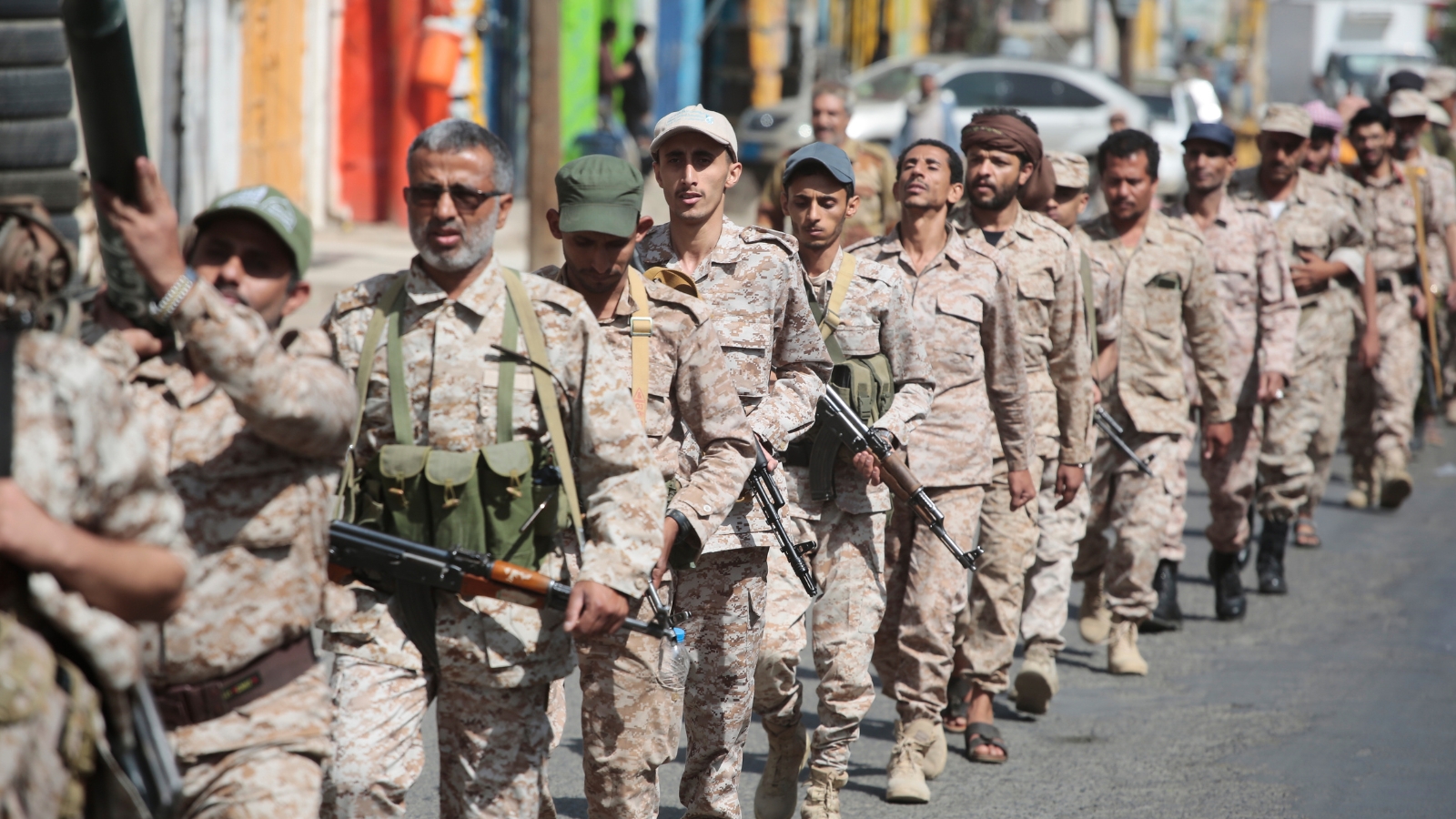
Iran-aligned Houthi forces have seized the strategic Yemeni port city of Mocha, located roughly 80 kilometers from the Bab el-Mandeb Strait, according to four Yemeni government military sources who spoke to Reuters on Thursday. The Associated Press reported that two residents said Houthi fighters had entered and spread across the city, though this could not be independently verified.
Regional officials and experts say Iran is increasingly relying on the Houthis in Yemen and allied militias in Iraq to pressure Saudi Arabia and other US allies in the Gulf, following major setbacks suffered by Tehran's key allies in conflicts that followed Hamas's October 7, 2023, attack on Israel.
The port seizure follows a September 8 escalation in which Houthi forces launched missile and drone attacks on southern Saudi Arabia, striking energy facilities linked to state oil company Aramco in Abha, Najran and Jizan. The strikes caused fires and temporarily halted operations at some facilities, wounding 73 people, according to Saudi authorities. One attack hit an Aramco distribution facility at Abha Bulk, causing major operational disruption.
Gulf security researcher Umer Karim described the fall of Mocha as "a significant strategic setback for the Tareq Saleh-led National Resistance Forces and for the Saudi coalition." Government-aligned forces are reportedly relocating south to Dhubab, a town facing Perim Island, as fighting continues on the nearby Hanish Islands.
Control of Mocha provides the Houthis with a major resupply hub previously used by government forces and a position from which further advances could sever southern supply lines. Yemen's Presidential Leadership Council has warned that if the Houthis capture Perim Island, which sits directly on the Bab el-Mandeb Strait, removing them would require a major international naval intervention. Analysts say the Houthis appear to be pursuing control of Yemen's entire western coastline, extending their influence over international shipping lanes.
The Bab el-Mandeb Strait connects the Red Sea to the Gulf of Aden, Arabian Sea, Suez Canal and Mediterranean, making it one of the world's most vital shipping corridors. Its significance has grown as the broader conflict with Iran has disrupted shipping through the Strait of Hormuz, prompting Saudi Arabia to route more oil through the Red Sea. That alternative path is now also under threat, as the Houthis have attacked Saudi oil facilities and shipping in the Red Sea and declared a naval blockade against Saudi vessels.
Casualty figures from recent weeks illustrate the intensifying violence. Yemeni military sources reported 7 to 8 people killed and 26 to 30 wounded in a missile and drone attack on Mocha on August 9-10. Yemen's government said at least four civilians died in a missile strike on the city on August 15. AFP tallies indicate 129 people were killed over two days of clashes near Bab el-Mandeb on September 5, followed by more than 60 additional deaths in fresh fighting on September 6, including six civilians killed in a bus strike. These figures represent separate incidents rather than a cumulative total, and numbers continue to change amid the ongoing conflict.
The fighting also threatens to plunge Yemen back into full-scale civil war. A UN-brokered truce reached in 2022 had largely prevented major fighting between the Houthis and Yemeni government-aligned forces for years, but it collapsed in July 2026, triggering the deadliest violence in years. According to Yemeni government data cited by Reuters, more than 20,000 people have been displaced by fighting in Taiz and Hodeida over the past two weeks, and hundreds of women and children left Mocha on Thursday.
The Houthis said Saudi strikes had hit several Yemeni provinces in response, though Saudi Arabia has not confirmed those strikes.
Saudi, Pakistani and Iranian sources told Reuters that Pakistan relayed a Saudi warning to Tehran urging it to restrain the Houthis. A senior Iranian official told Reuters that Tehran does not control the group. However, two other Iranian sources said Tehran had instructed the Houthis to attack Saudi Arabia and had promised additional funding and weapons.
In July, Saudi Arabia and the United States struck Iran-backed militias in Iraq after those groups were blamed for drone attacks on Saudi oil facilities that the Houthis had claimed responsibility for.
The capture of Mocha and the continuing advance toward Bab el-Mandeb represent what analysts describe as a second front in the wider regional conflict involving Iran, combining the risk of renewed full-scale war in Yemen with growing pressure on a critical route for global oil and trade.