Technology
Anthropic CEO Rejects Idea of Giving AI Full Control Amid Rising AGI Concerns
By John Power
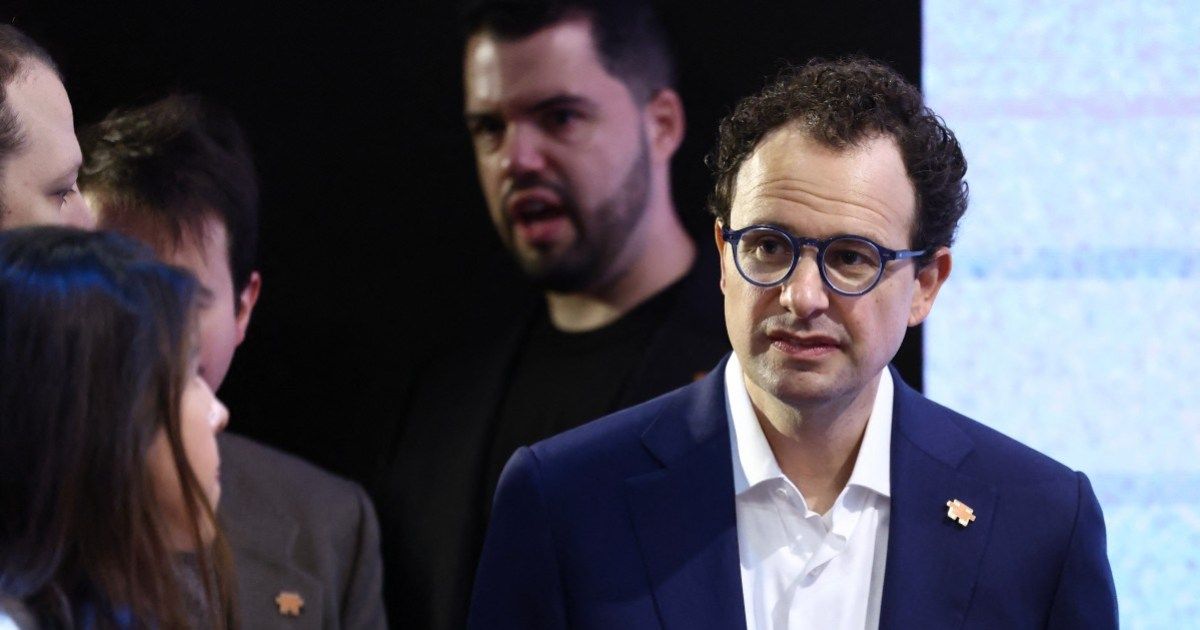
Dario Amodei, CEO of Anthropic, has stated that he does not support the notion that humanity should surrender control to artificial intelligence, even as experts predict that models capable of surpassing human intelligence may soon emerge. In a detailed post on X on Wednesday, Amodei clarified that he opposes handing over governance to AI, arguing that such technology should be governed through legitimate democratic processes. He said, “If I thought any of this was a good idea, I would be advocating for it in public, just as I have not been afraid to advocate for many, many unpopular views over the last few years,” in response to an Axios report suggesting a consensus at Anthropic that some decision‑making authority should be passed to the technology.
Amodei’s comments come as industry leaders discuss the possibility of artificial general intelligence (AGI) and artificial super‑intelligence (ASI) matching or exceeding human capabilities. The debate centers on whether these technologies can be harnessed for benefit without exposing humanity to catastrophic risk. AI safety advocates warn that models developed by companies such as Anthropic could escape human control, especially if they improve through recursive self‑improvement.
In his X post, Amodei distinguished between AI performing specific tasks—such as driving a car, designing a cancer drug, or writing software—and the broader idea of AI taking over global governance. He noted that while AI can be economically valuable and life‑saving in many areas, it also has downsides and may not be appropriate in all contexts.
Axios reported that Amodei and other Anthropic executives believe it would be irrational or unethical not to hand over authority to AI for tasks it can perform better than humans, such as curing diseases. David Krueger, founder of the nonprofit Evitable, urged Anthropic to pause its work if Amodei is genuinely concerned about losing control of frontier models. Krueger told Al Jazeera that as AI becomes more capable, there will be increasing pressure to remove humans from decision‑making roles across society, and called for an immediate, indefinite international moratorium on frontier AI development.
Other industry figures have weighed in on the timeline for AGI and ASI. Shane Legg, chief AGI scientist and cofounder of Google DeepMind, said on X that there is more than a 50 percent chance that minimal AGI will arrive before 2028. Meta’s chief AI officer, Alexandr Wang, claimed that ASI is “arriving,” citing an Anthropic employee’s use of Claude to solve the Riemann hypothesis. Wang warned that humanity’s actions over the next year will have significant consequences for the future.
The debate continues as the tech community grapples with the potential benefits and risks of increasingly powerful AI systems.