World
Zambia Authorities Ban Protest Over Proposed Removal of Presidential Term Limits
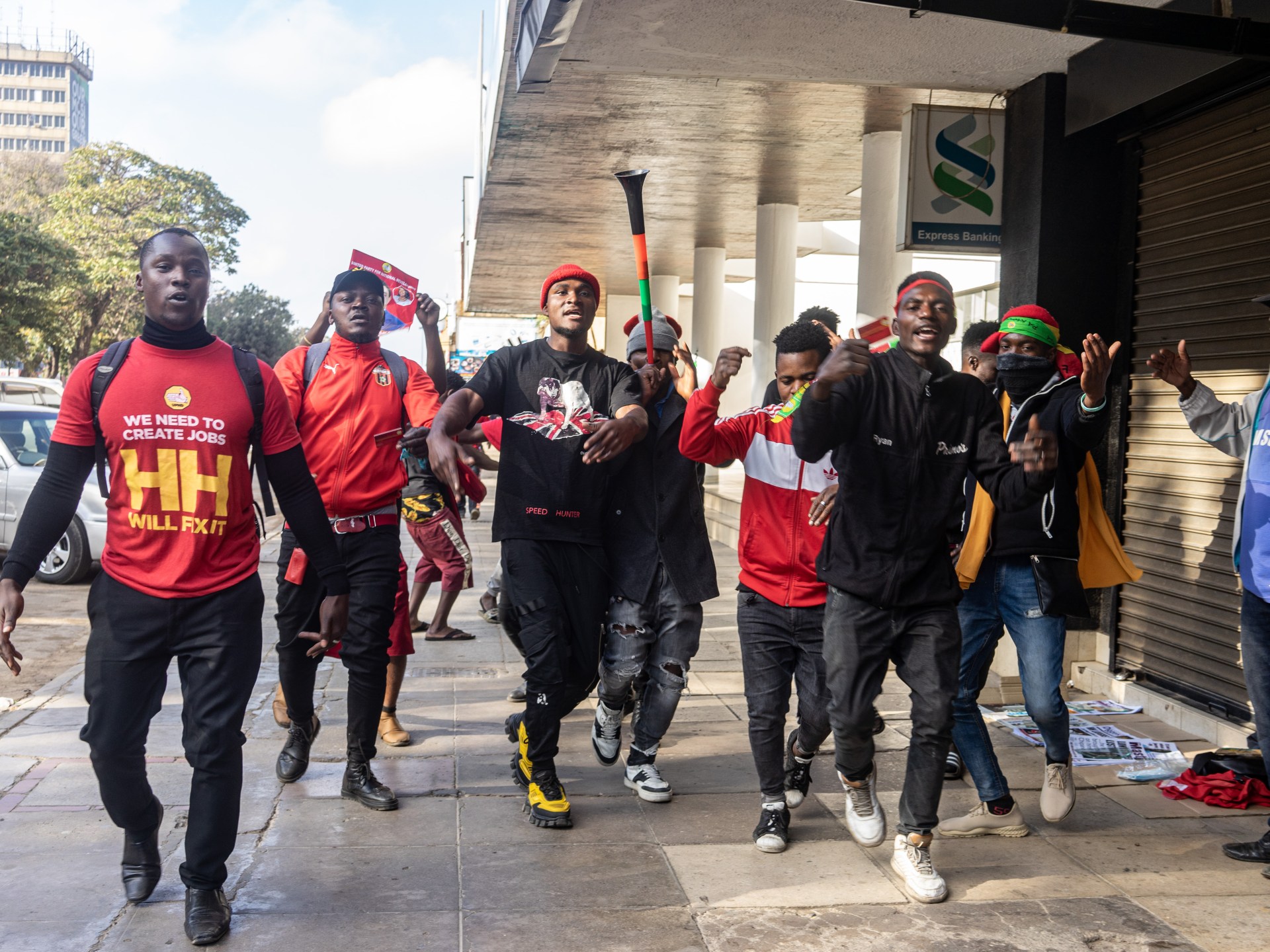
Zambian authorities banned a planned protest against proposals to remove presidential term limits, citing the risk of clashes after a pro‑government youth group announced a rival demonstration. The demonstration, scheduled for November 25, was organized by civil society groups and human rights defenders who opposed changes that could allow President Hakainde Hichilema to remain in power beyond 2031, when his second and final five‑year term ends.
Three organisations linked to the ruling United Party for National Development (UPND) have petitioned the National Assembly to lift constitutional restrictions on presidential terms, potentially enabling Hichilema to seek a third term. The campaign has drawn opposition from civil society organisations, the Catholic Church and the Law Association of Zambia (LAZ), all of whom have called for an end to the debate over extending presidential tenure.
On November 4, civil society organisations and human rights defenders notified police of their intention to march against the removal of term limits. A pro‑government youth alliance subsequently announced plans to demonstrate in support of the proposals, prompting police to cite the risk of confrontations between the two groups. Minister of Home Affairs and Internal Security Clement Andeleki defended the decision to cancel the demonstrations, stating that the president does not seek a third term.
President Hichilema, who won the August election with more than 61 percent of the vote, has repeatedly criticised African leaders who extend their rule through constitutional amendments. His office has sought to reassure critics; on November 20, presidential communications official Clayson Hamasaka said the president would respect the constitution “at all times” and that he respects every citizen’s right to freedom of expression.
The controversy follows a disputed general election and the detention of several of Hichilema’s most prominent political opponents. The election, monitored by the European Union Election Observation Mission, was marred by irregularities, a six‑hour suspension of vote counting, deployment of soldiers at polling stations and the removal of opposition and independent monitors. Courts were closed following the election, raising concerns about the opposition’s ability to challenge the results.
Brian Mundubile, who finished second in the presidential race, and his running mate Makebi Zulu were arrested in a post‑election crackdown. Former minister Mutotwe Kafwaya was fatally wounded by security forces during a raid on a house in Lusaka where senior opposition figures were meeting. Mundubile, Zulu and several other opposition figures have been detained for more than 100 days on allegations of attempting to overthrow the government and engaging in seditious activities. The accused say the charges are politically motivated. Their prolonged detention has drawn condemnation from local and international human rights defenders and prompted a legal challenge against the state.
A day before the High Court was due to rule on their continued detention, prosecutors produced a charge sheet alleging treason. Leading defence lawyer Sakwiba Sikota told Al Jazeera that the trial was expected to begin in 2027. Treason is a non‑bailable offence in Zambia and carries a possible life sentence, meaning lengthy legal proceedings could keep some of the country’s most prominent opposition figures out of public life for months or even years.
Opponents of the proposed changes argue that removing presidential term limits would dismantle an important democratic safeguard in a country that has experienced several peaceful transfers of power since the introduction of multiparty democracy in 1991. Supporters of the changes, including UPND media head Mark Simuuwe, reject claims that the campaign is specifically intended to secure a third term for Hichilema. Simuuwe said the focus is on removing term limit restrictions because the current constitution is seen as undemocratic.
A constitutional amendment would require the support of at least two‑thirds of parliamentarians, although additional procedures may apply to changes affecting presidential tenure. The UPND does not command a two‑thirds majority in the National Assembly but could seek support from independent legislators and other members of parliament.
The debate in Zambia comes amid similar constitutional changes elsewhere in Africa. In Zimbabwe, President Emmerson Mnangagwa signed into law amendments that would allow him to remain in office two years beyond his previous term limit. In the Democratic Republic of the Congo, President Felix Tshisekedi has approved legislation allowing constitutional changes to be put to a referendum, a development critics fear could pave the way for a third presidential term.
For civil society groups and opposition leaders, the campaign to remove term limits is inseparable from the political tensions that followed the August election. Linda Kasonde, former president of the Law Association of Zambia and one of the organisers of the planned demonstration, said the group had appealed against the police decision and remained committed to peaceful protest. She said the attempt to remove term limits is not for ideological reasons but to consolidate power in the wake of a controversial election.