Law & Justice
Delhi Court Reopens 2012 Israeli Embassy Car Bomb Case After 14 Years
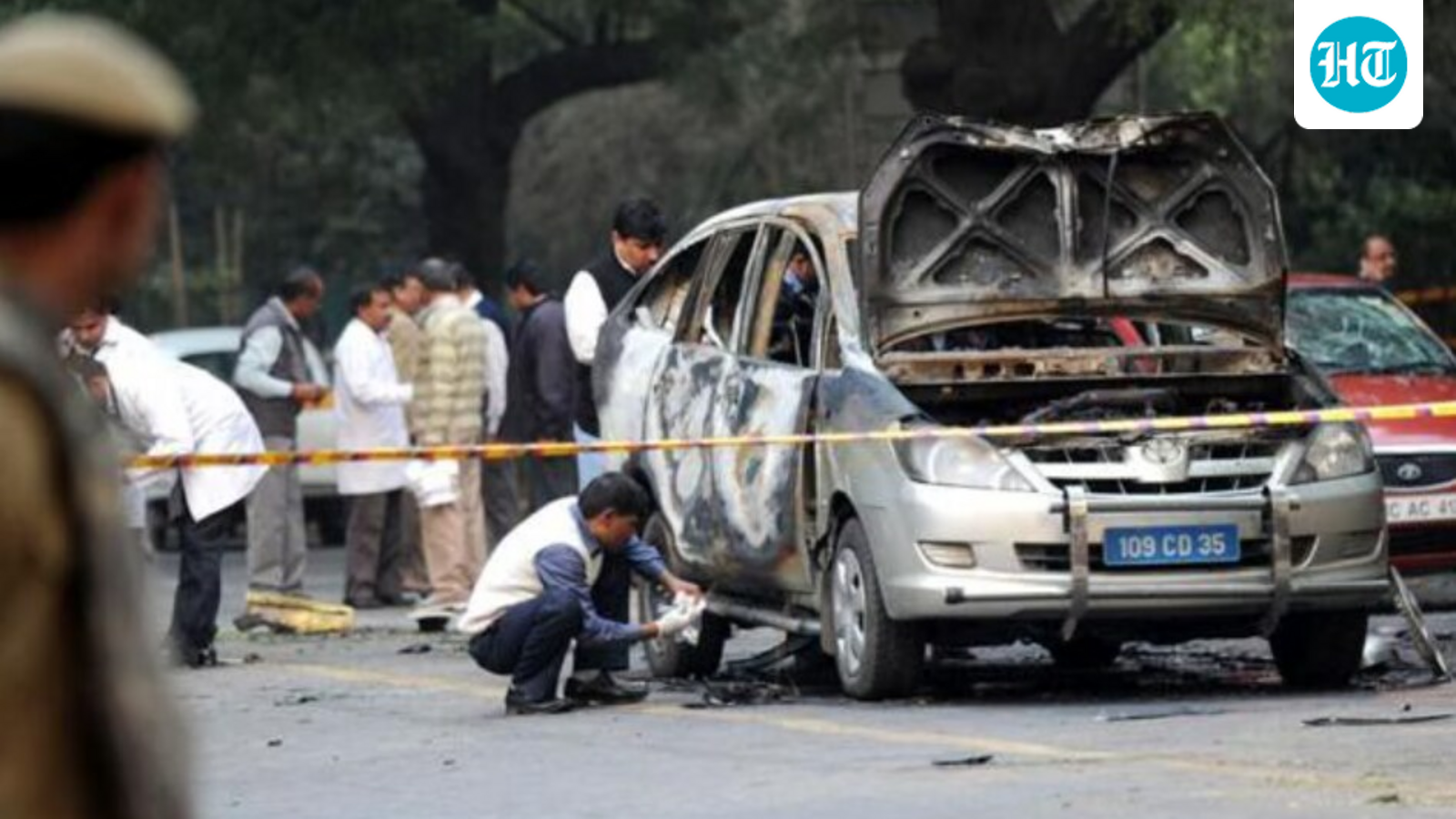
A Delhi court has taken fresh cognizance of a 2012 case involving a magnetic bomb that exploded on an Israeli embassy car in Delhi, labeling the incident an act of terror. The court’s decision, issued on November 19, was based on evidence from the investigation, including the CFSL report and witness statements, which the court said proved a terrorist act was carried out under a conspiracy.
The incident occurred on February 13, 2012, when a motorcycle rider attached a magnetic explosive device to the rear of an Israeli embassy Innova car on Aurangzeb Road (now Dr APJ Abdul Kalam Road) at about 3:15 p.m. The device detonated seconds later, injuring Tal Yehoshua Koren, the wife of an Israeli diplomat, and her driver.
Investigators suspected four Iranian nationals – Houshang Afsar Irani, Mohammad Reza Abolghasemi, Seyed Ali Mahdiansadr and Sedaghatzadeh Masoud – of planning and executing the attack. The suspects fled India, and Interpol red notices were issued against them. Similar attacks were reported in Georgia and Bangkok that week.
Syed Mohammad Ahmed Kazmi, a Delhi‑based freelance journalist, was arrested on March 6, 2012, for allegedly conspiring with the Iranians and receiving money from them. A charge sheet was filed against him in July 2012 under the Unlawful Activities Prevention Act (UAPA), the Explosive Substances Act, and sections of the Indian Penal Code relating to attempt to murder and criminal conspiracy.
A chief metropolitan magistrate took cognizance of the charge sheet in August 2012, but the Supreme Court set aside that action on October 19, 2012, ruling that only a special court under the NIA Act could take cognizance of offences under the National Investigation Agency Act. The Supreme Court also granted Kazmi statutory bail.
In the fresh order, a special judge under the NIA Act at Rouse Avenue Courts took cognizance under sections 307 (attempt to murder), 323 (causing hurt), 120B (criminal conspiracy) of the IPC, and sections of the UAPA and the Explosive Substances Act. The court rejected Kazmi’s argument that the proceedings should be dropped because the earlier cognizance had been invalidated by the Supreme Court.
Kazmi is currently out on bail. His lawyer, Mehmood Pracha, told the Hindustan Times that the defense will challenge the special court’s decision in the Delhi High Court, arguing that the law does not permit a second cognizance. Pracha also questioned the timing of the court’s order, suggesting it may be linked to renewed hostilities between Iran and Israel and the United States.
The arguments on framing of charges are scheduled for December 7. The case remains pending in the Delhi High Court, where a criminal reference is already pending.
Frequently asked questions
When did the Israeli embassy car bomb incident occur?
February 13, 2012, at about 3:15 p.m. on Aurangzeb Road (now Dr APJ Abdul Kalam Road).
Who were the suspects in the 2012 Israeli embassy car bomb case?
Four Iranian nationals: Houshang Afsar Irani, Mohammad Reza Abolghasemi, Seyed Ali Mahdiansadr, and Sedaghatzadeh Masoud.
What was the outcome of the Delhi court's fresh cognizance in November 2023?
The court reopened the case under the NIA Act, taking cognizance under IPC sections 307, 323, 120B, UAPA, and the Explosive Substances Act, rejecting the argument to drop proceedings.