World
North Korean Defectors Report Beatings, Imprisonment for Secret Christian Faith
By Today News Hours Editorial Desk
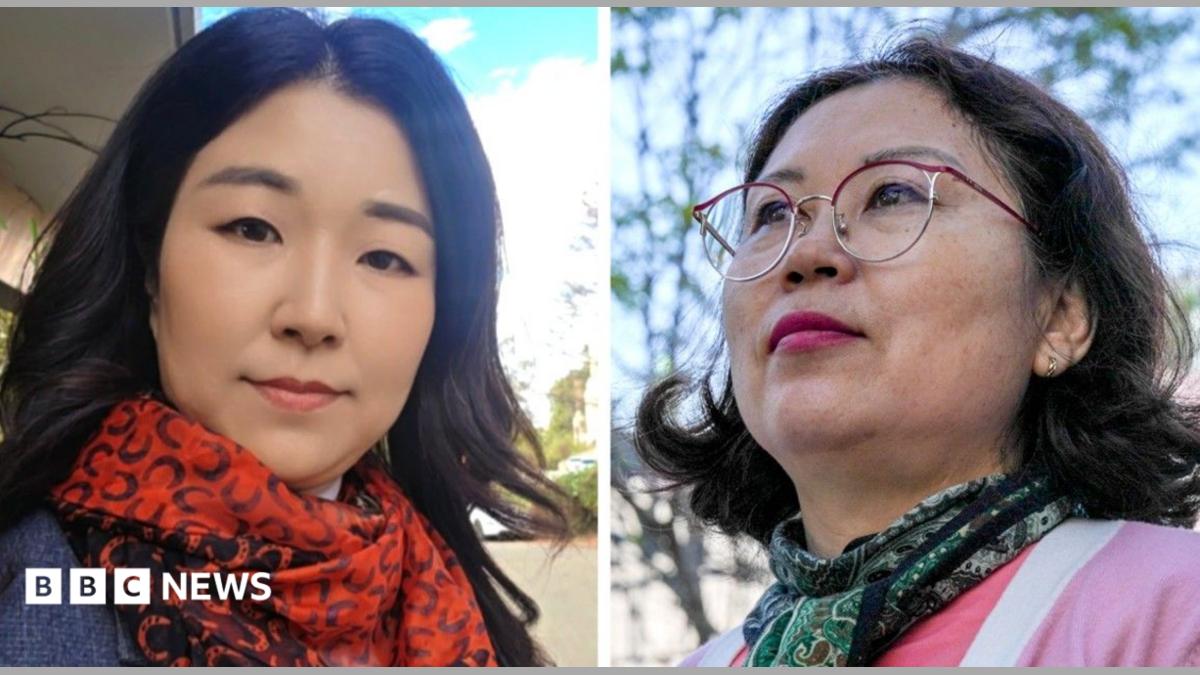
Kim Bo‑bin, now 44 and living just outside Seoul, says she learned to pray quietly in North Korea, where the regime tightly controls religious practice. She described mouthing hymns and clapping with two fingers to avoid detection, noting that any three people in a room could be monitored. Kim fled the country 15 years ago and, together with 569 other defectors, provided testimony for a five‑year report by the British human‑rights group Korea Future. The report documents widespread surveillance, fear and violence against Christians, including recent incidents of suspected beatings and torture.
North Korea claims it allows religious freedom, but the United Nations and rights groups have documented violations. State‑run churches in Pyongyang are seen as propaganda, while independent worship is often met with severe punishment. Professor Kang Dong‑wan of Dong‑a University explains that the regime fears any authority above its leaders.
Christianity entered the Korean peninsula in the late 1700s and expanded in the north after Protestant missionaries arrived in the 1880s. Estimates by the UN place the number of secretly practicing Christians in North Korea between 200,000 and 400,000, many of whom are detained in camps. Under Kim Jong Un, who took power in 2011, surveillance intensified. Three South Korean missionaries were arrested in 2013‑2014 and sentenced to life on espionage charges; their fate remains unknown.
The regime also targets smuggled media. In 2020 it enacted a law against “foreign influence,” making possession of Bibles or hosting services punishable by imprisonment, and distribution of religious materials punishable by death.
Religious education begins in kindergarten, where children attend “self‑criticism” sessions that warn against “superstitions,” understood to mean Christianity and other faiths. The curriculum emphasizes the Ten Principles, which demand unwavering loyalty to Kim Il Sung, Kim Jong Il and the ruling party.
Kim’s own experience began in North Hamgyong province, a remote border region where landowners and Christians were labeled “untrustworthy.” The area suffered severe famine in the late 1990s, prompting many to flee to China. Kim, then 22, entered China for a job opportunity but was forced into marriage and became pregnant. She encountered a missionary while collecting a free pram for her newborn, and later discovered Christianity.
In 2007, after being arrested in China and deported, Kim was interrogated by North Korean secret police. She was beaten for 23 days and sentenced to three years of hard labour. She recalls police asking if she had worn a cross; she denied it, claiming she only recognized the symbol on hospital buildings. The interrogation focused on whether she intended to flee to South Korea.
Lee Young‑joo, another defector who was deported from China, was also interrogated about missionaries, churches and Bibles. She denied all and was sentenced to three and a half years of hard labour. In prison, she and Kim prayed quietly, sometimes holding hands and whispering verses from memory. After serving their sentences, they returned home and continued to practice secretly.
Kim says she converted her younger sister and other relatives, teaching hymns and the nature of God. Lee’s mother was horrified when she learned of her daughter’s faith, but Lee persisted, eventually escaping to South Korea in 2010. Lee now attends a small church of North Korean escapees in Seoul and prays daily for her daughter, who escaped with her.
Kim fled to South Korea in 2012 with her daughter at age 30. She now sings loudly at church on Sundays. The report highlights that, despite international pressure, the regime’s surveillance, fear and violence against Christians appear unchanged, with recent reports of beatings and torture continuing into the last year.
Source: BBC
Frequently asked questions
How many defectors testified in the Korea Future report?
569 defectors, including Kim Bo‑bin, provided testimony.
What law did North Korea enact in 2020 regarding religious materials?
In 2020, North Korea enacted a law against 'foreign influence,' making possession of Bibles or hosting services punishable by imprisonment, and distribution of religious materials punishable by death.
What punishment did Kim Bo‑bin receive after being interrogated by North Korean secret police?
Kim Bo‑bin was beaten for 23 days and sentenced to three years of hard labour.