Sports
Morocco’s Rise in African Football Sparks Debate Over Hosting and Fairness
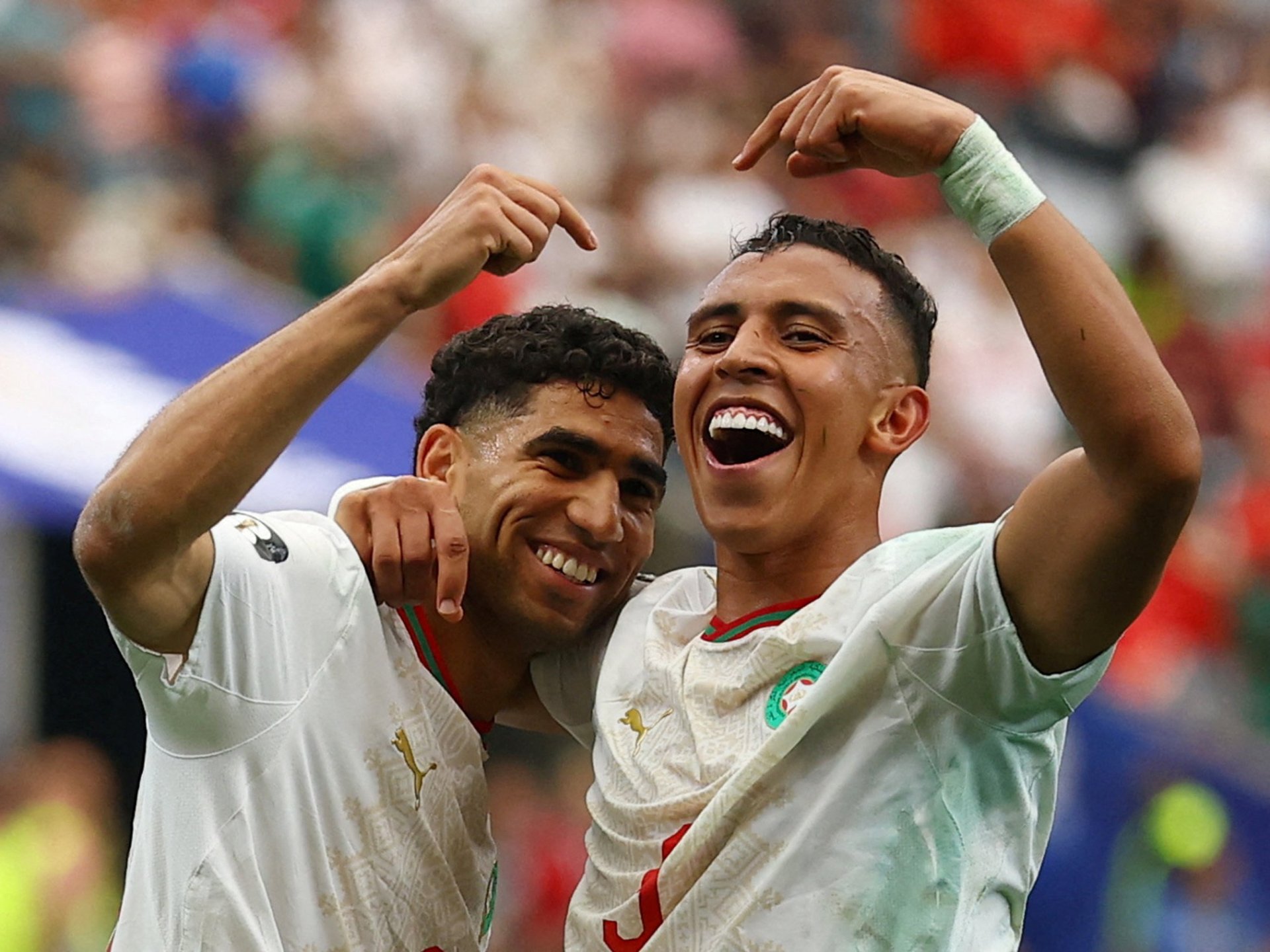
Morocco’s growing influence in African football is becoming increasingly hard to ignore. The country reached the semifinals of the 2022 FIFA World Cup, hosts major continental competitions, and is preparing to co‑host the 2030 World Cup. It will also welcome FIFA’s 77th Congress in Rabat on March 18, 2027, and has hosted the last two editions of the Confederation of African Football (CAF) Awards. Three Moroccan players – Achraf Hakimi, Brahim Diaz and Ismael Saibari – are on the 10‑person shortlist for the 2026 men’s CAF Player of the Year award.
Some view Morocco as a model of sustained investment, strategic planning and football diplomacy. Others question whether its concentration of hosting opportunities and institutional influence is creating an imbalance within African football. Kamilla Swart, an associate professor and Director of the Master of Science in Sport and Entertainment Management programme at Hamad Bin Khalifa University in Doha, says Morocco’s position is the result of a long‑term strategy. She notes that the country’s earlier unsuccessful bids for the World Cup helped it assess weaknesses and build the infrastructure needed for major events.
Swart also points out that Morocco’s repeated hosting of CAF events has raised concerns about whether other African countries are receiving sufficient hosting opportunities. She acknowledges the legitimacy of both the desire to host events in Morocco and the scepticism that the rest of the continent may not benefit.
Accusations of preferential treatment intensified after the controversial 2025 Africa Cup of Nations (AFCON) final between Senegal and Morocco. Senegal won 1‑0 after extra time, but a late penalty awarded to Morocco prompted Senegal’s players to leave the pitch in protest. On March 17, 2026, CAF’s Appeal Board overturned an earlier disciplinary ruling, declared Senegal had forfeited the final by leaving the pitch under Articles 82 and 84 of the AFCON regulations, and awarded Morocco a 3‑0 victory. The Court of Arbitration for Sport (CAS) later ruled in favour of Senegal’s appeal and reinstated them as champions.
Kenyan sport lawyer and arbitrator Khayran Noor told Al Jazeera that CAF must ensure its decision‑making processes are transparent. He suggested publishing evaluation criteria, conducting independent technical assessments, disclosing potential conflicts of interest and explaining final decisions. Noor warned against allowing financial strength to translate into disproportionate political influence, noting that Article 17 of the CAF Statutes gives each member association one vote at the General Assembly regardless of financial capacity.
The commercial dimension of Morocco’s hosting profile is also significant. CAF relies heavily on broadcasting and sponsorship revenues, making the quality of its competitions and broadcasting standards central to its financial sustainability. Gerard Akindes, a Beninese‑born sports management scholar and former professional athlete, told Al Jazeera that the concentration of major competitions in Morocco is partly due to uneven quality of football infrastructure and broadcasting production elsewhere on the continent. He added that Morocco’s willingness to host events when other countries were unable or unwilling to do so has strengthened its relationship with CAF.
The 2026 CAF Awards ceremony will return to Lagos on December 2, marking Nigeria’s first time hosting the event since 2014. The absence of Nigerian players from the men’s Player of the Year shortlist has attracted criticism, especially from supporters who expected players such as Victor Osimhen, Ademola Lookman and Calvin Bassey to feature. Morocco has three nominees, including reigning winner Hakimi. CAF‑accredited journalist and Brila Media contributor Adeniyi Adebanjo believes the reaction should be considered alongside the performances of the shortlisted players and the wider dissatisfaction among African football supporters following the controversy surrounding the 2025 AFCON final. He rejected suggestions that the rescheduling of the awards ceremony was connected to the dispute between Senegal and Morocco or intended to influence the voting process, calling such claims a conspiracy theory.
Nigerian exercise physiologist and University of Lagos lecturer Victor Damilola Ademola, who has visited Morocco three times in the last 12 months, attributes Morocco’s success to systematic development of players at all levels and effective integration of eligible diaspora players into its national teams. He emphasised significant investment in training facilities, stadiums and sports science infrastructure, including the Mohammed VI Football Complex in Rabat. Ademola cautioned against interpreting every Moroccan achievement as evidence of preferential treatment from CAF and argued that Morocco’s progress should encourage other African countries to examine their own football administration, international engagement, infrastructure and player development. He concluded that while similar concerns deserve scrutiny, they should not be used to excuse other shortcomings.
Frequently asked questions
Which Moroccan players are on the 2026 CAF Player of the Year shortlist?
Achraf Hakimi, Brahim Diaz, and Ismael Saibari.
What happened during the 2025 AFCON final between Senegal and Morocco?
Senegal won 1‑0 after extra time; a late penalty awarded to Morocco prompted Senegal players to leave the pitch; CAF’s Appeal Board later awarded Morocco a 3‑0 victory, but the Court of Arbitration for Sport reinstated Senegal as champions.
Where and when will the 2026 CAF Awards ceremony take place?
In Lagos on December 2, 2026.