Health
Brazilian Study Shows 68.5% Drop in Dengue After Releasing Wolbachia‑Infected Mosquitoes
By Shola Lawal
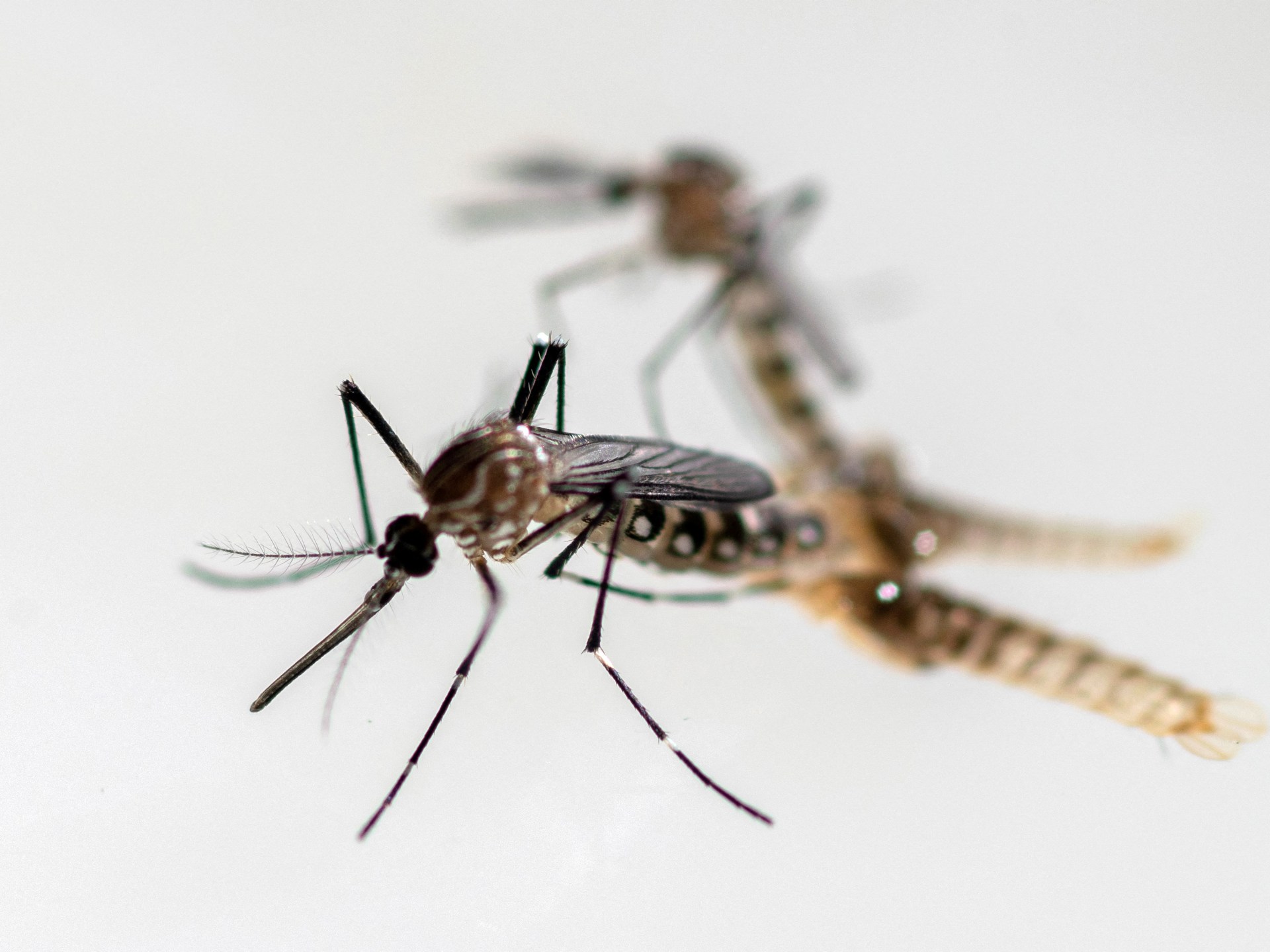
Scientists in Brazil have demonstrated a significant reduction in dengue infections by releasing mosquitoes infected with the harmless bacterium Wolbachia. The study, conducted from 2020 to 2024 in Belo Horizonte, southeastern Brazil, involved the Ministry of Health, Emory and Yale universities, and the U.S. National Institute of Allergy and Infectious Diseases. Researchers infected Aedes aegypti mosquitoes with Wolbachia, a bacterium that does not harm humans but impairs the mosquitoes’ ability to transmit viruses. After releasing the engineered mosquitoes, 5,700 children were randomly tested for dengue and other mosquito‑borne diseases. In neighborhoods where Wolbachia mosquitoes were released, only 4% of routine blood tests were positive for dengue, compared with 14% in control areas. Dengue cases fell by 68.5%, while chikungunya cases dropped by 73.3%. The results were presented at the American Society of Tropical Medicine and Hygiene meeting in Maryland. The study adds to earlier Wolbachia programs, such as the World Mosquito Program’s projects in Colombia’s Aburra Valley and Brazil’s Niteroi, which reported a 92% decline in dengue among 1 million people. The Wolbachia approach is self‑sustaining and considered more environmentally friendly than fumigation. In other contexts, researchers have explored mosquito‑based interventions for malaria and leishmaniasis, but those trials remain small and preliminary. The findings come as Florida faces one of its largest dengue outbreaks since the 1940s. Global health expert David Hamer of Boston University said the method could “knock dengue down to much lower levels” in many places.
Frequently asked questions
What percentage drop in dengue cases was observed in Belo Horizonte after releasing Wolbachia-infected mosquitoes?
The study found a 68.5% reduction in dengue cases.
How many children were randomly tested for dengue in the study?
5,700 children were randomly tested.
What were the dengue positivity rates in neighborhoods with Wolbachia mosquitoes compared to control areas?
In Wolbachia-release neighborhoods, 4% of routine blood tests were positive for dengue, versus 14% in control areas.