World
Ukrainian Drone Strike on Russian Ship in Benghazi Sparks Libyan Condemnation
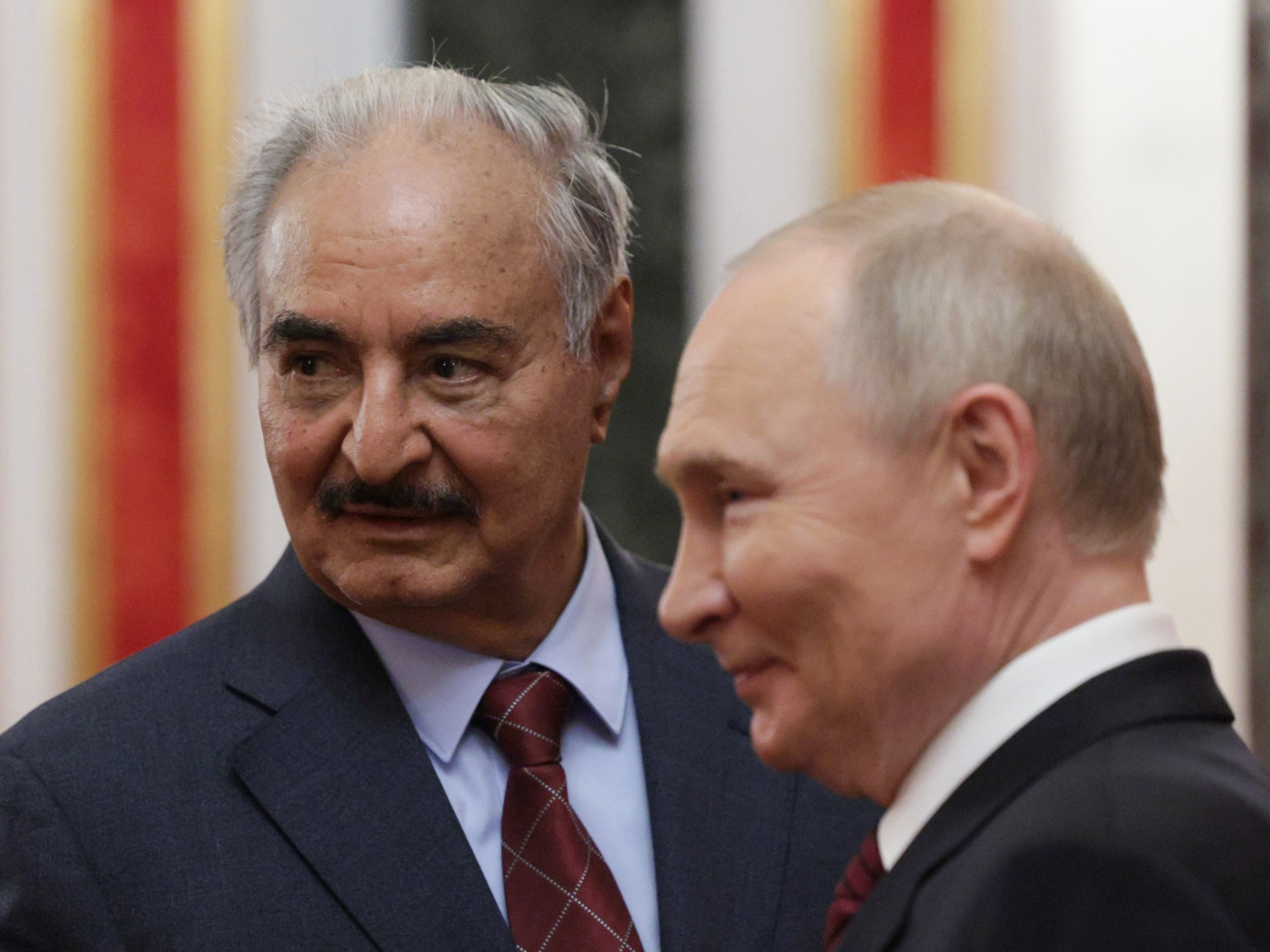
A Ukrainian‑led drone attack on a Russian warship docked in Benghazi on Sunday has drawn condemnation from Libyan officials on both sides of the country’s divided political landscape. Ukrainian President Volodymyr Zelenskyy claimed responsibility for the strike, which occurred a day after the ship was targeted. The attack has raised concerns that it could threaten Libya’s fragile reunification process, which has been underway since 2014.
Libya is currently split between the internationally recognised Government of National Unity (GNU) in Tripoli, led by interim Prime Minister Abdul Hamid Dbeibah, and forces loyal to Khalifa Haftar’s Libyan National Army (LNA) in Benghazi. Haftar has long maintained close ties with Russia, which has supplied his forces with weapons, mercenaries and diplomatic support. Russia’s presence in Libya includes ports, airfields, storage and maintenance facilities that serve as a logistical hub for its operations across the Sahel and Central Africa. Estimates put the number of Russian personnel in Libya at between 1,000 and 1,800.
The GNU has sought to counterbalance Russian influence by building partnerships with Turkey and adopting a pro‑Ukraine stance. In 2022 the GNU condemned Russia’s invasion of Ukraine and was the only Arab country to vote for suspending Russia from the UN Human Rights Council. In 2023 the GNU pushed for an official Ukrainian embassy in Tripoli and began receiving training and technical support from Ukrainian forces. Ukraine has been accused of arming GNU forces and conducting attacks on Russian‑linked vessels off Libya’s coast, including drone strikes on the Russian cargo ship Lady Mariia in September and the LNG carrier Arctic Metagaz in December.
Libya’s reconciliation process has made cautious progress since 2025, culminating in a cooperation framework that seeks to unify the country’s political, military and economic institutions. In April Libya adopted a unified national budget for the first time in more than a decade, a move welcomed by ten countries involved in the conflict, including the UAE, Egypt, France, Germany, Italy, Qatar, Saudi Arabia, Turkey, the UK and the US. Russia also welcomed the budget but warned against external actors shaping Libya’s future.
On August 30 the GNU and Haftar’s LNA agreed to hold presidential and legislative elections within 24 months under a single executive authority, in a UN‑mediated deal. Analysts say the framework remains the clearest opening for a political settlement between the rivals. The Sunday strikes, however, have raised fears that they could undermine the fragile peace process.
Libyan officials have condemned the attack, with Mousa al‑Koni, a member of the Presidential Council, describing it as “terrorist” and promising legal and diplomatic measures, including referring the incident to the UN Security Council. Analysts warn that both Russia and Haftar may feel compelled to retaliate, potentially increasing pressure on Ukraine to limit its role in Libya. The situation remains fluid, and the impact on Libya’s reconciliation efforts is uncertain.
Frequently asked questions
What was the target of the Ukrainian drone strike in Benghazi?
A Russian warship docked in Benghazi.
Who claimed responsibility for the drone strike?
Ukrainian President Volodymyr Zelenskyy.
How many Russian personnel are estimated to be in Libya?
Between 1,000 and 1,800.