India
New ‘Made in India’ Rules Give Deeper Localisation Weight in IT Hardware Procurement
By Sejal Sharma
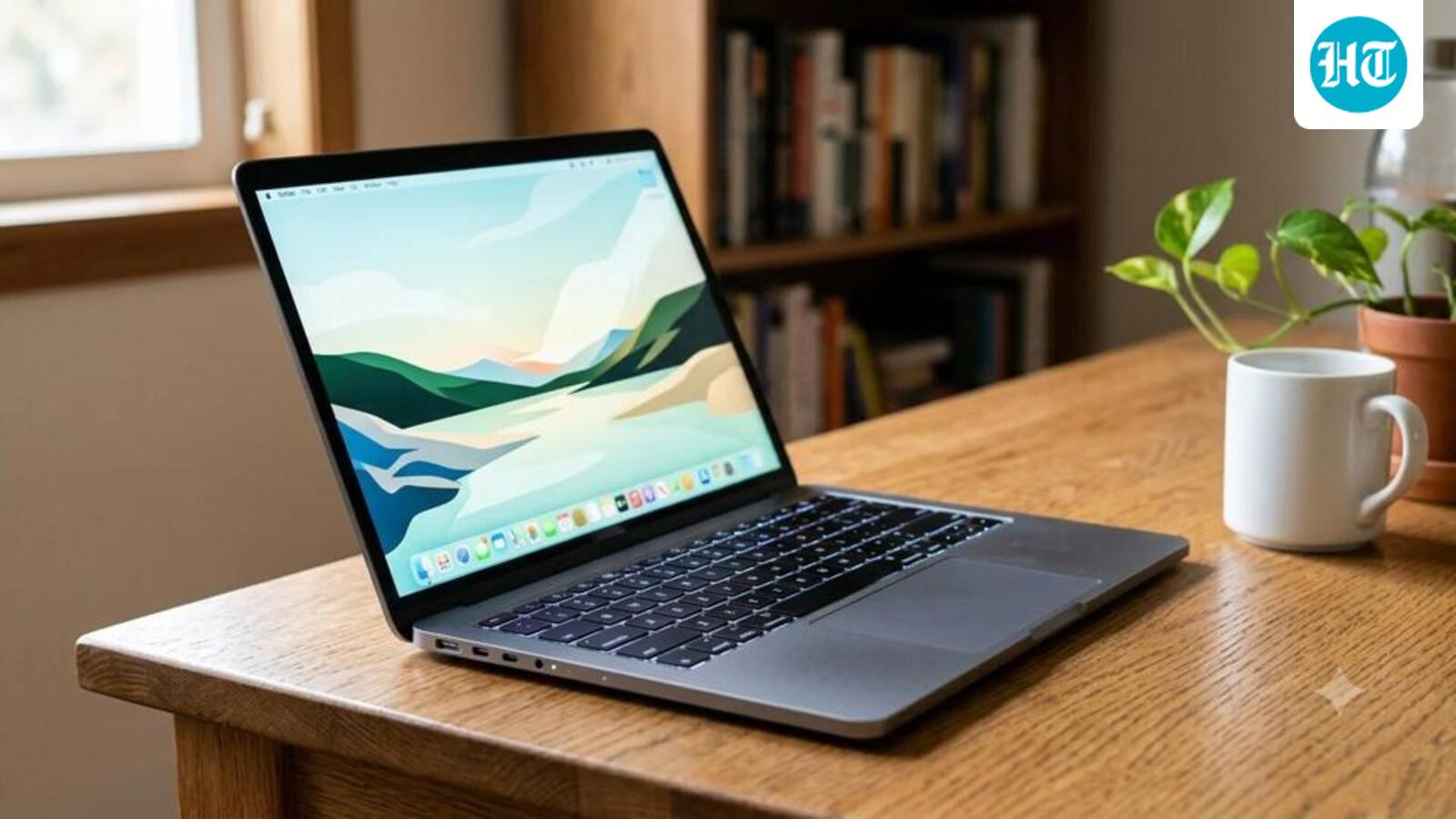
The Ministry of Electronics and Information Technology (MeitY) has issued a notification that changes how laptops, desktops, servers and other IT hardware are evaluated for ‘Made in India’ status in government purchases. The new rules, announced on November 20 and set to take effect after a six‑month period, introduce a detailed method for calculating local content for six product categories: desktop and all‑in‑one PCs, laptops, thin clients, servers, computer monitors and interactive flat panel displays (IFPDs). IFPDs are included in the framework for the first time.
Under the updated methodology, each manufacturing stage is assigned a fixed share of a product’s bill of materials (BoM). If that stage is performed in India, its share counts as local content. Certain steps are mandatory for eligibility: motherboard assembly, final assembly and testing must be done in India for all products; monitor assembly is required for desktops; and display glass assembly is required for IFPDs. Products that do not meet these compulsory stages cannot bid for government contracts, regardless of their supplier class.
For example, in a laptop the BoM is allocated as follows: motherboard assembly 15%, printed circuit board 10%, chassis 10%, battery pack 5%, power adaptor 5%, and final assembly and testing 5%. The notification also introduces weightage for activities beyond the factory floor. In‑house research and development conducted in India can account for 8% of the BoM, provided it is carried out through the company’s own facilities or units registered with the Department of Scientific and Industrial Research (DSIR) and is linked to the specific product model. Indian design or intellectual property can add another 10%. Localisation, minor modifications, or simply registering or licensing a design developed abroad do not qualify as domestically conducted designing. Claims for R&D and design must be certified by a chartered accountant or statutory auditor.
Semiconductor‑level work is also rewarded. Memory (RAM) and solid‑state storage assembled on circuit boards in India count for 4% each, rising to 10% if the chips are also assembled, tested and packaged (ATMP) in India. Display assembly gains extra weightage when it includes chip‑on‑glass or chip‑on‑flex processing. For servers, a board carrying the CPU and GPU together counts for 25%; if they are on separate boards, the CPU board counts for 15% and the GPU board for 10%.
A MeitY official, who asked to remain unnamed, said the new framework aligns with the production‑linked incentive (PLI) scheme for IT hardware, which offers incentives to companies manufacturing laptops, PCs, servers and tablets in India. The updated procurement rules could give such manufacturers an added advantage in government tenders if they localise deeper stages such as circuit board making, R&D and design.
In a press release on November 20, the government stated that it had changed its methodology for calculating domestic value addition “with a view to promoting domestic manufacturing, strengthening indigenous capabilities and generating employment.”