India
SpiceJet’s Flight Cancellations Highlight Global 80/20 Slot Rule
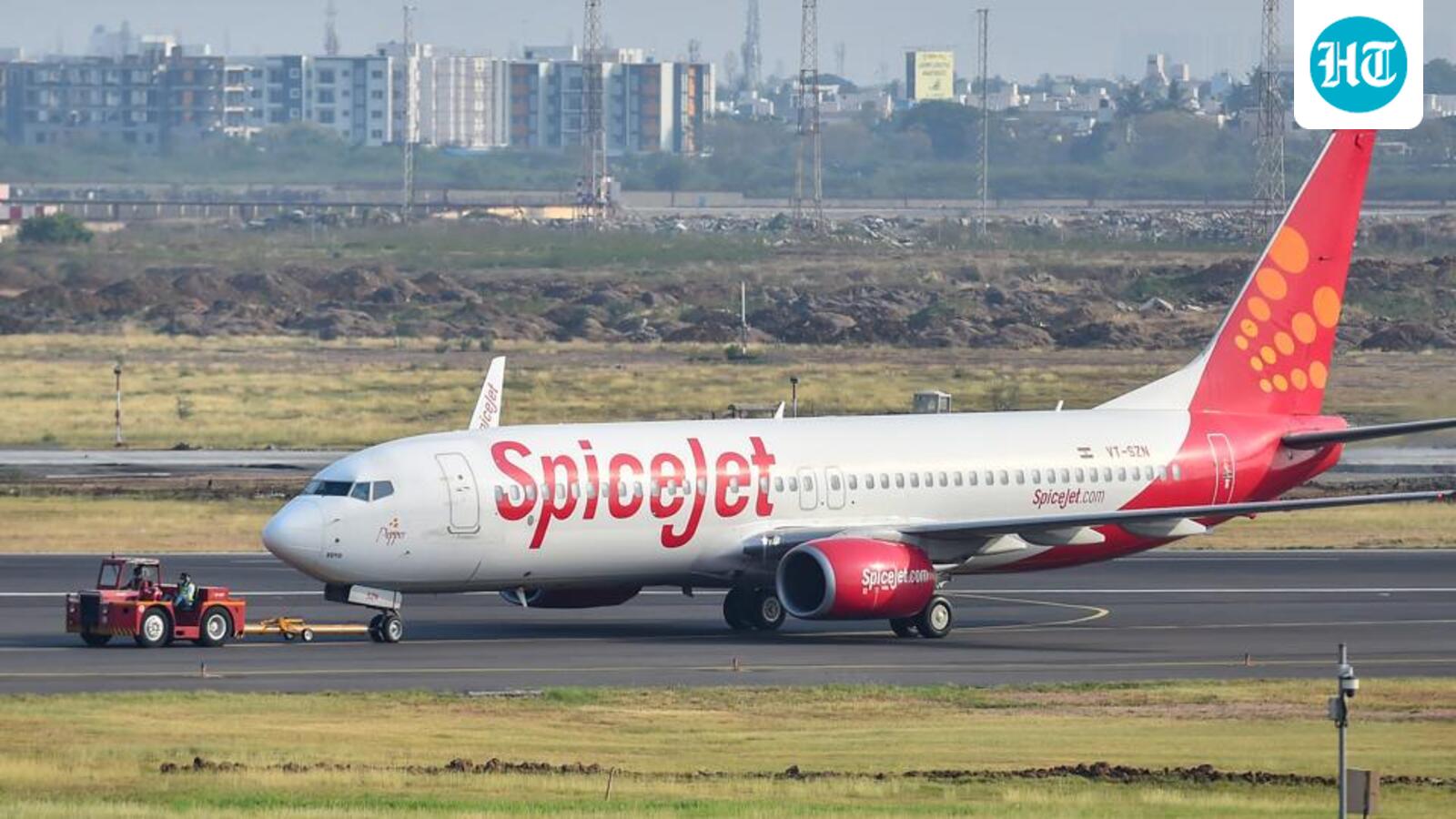
SpiceJet’s recent flight cuts have drawn attention to the global 80/20 rule that governs airport take‑off and landing slots at congested airports. The rule, also known as the “use it or lose it” provision, requires an airline to operate at least 80% of its allocated slots during a scheduling season in order to retain those rights for the same season the following year. If an airline falls below this threshold, its unused slots are returned to a central pool for reallocation.
For the current winter aviation season, which runs from October 25 to March 27, SpiceJet has secured slots at overseas hubs including Dubai and Sharjah in the United Arab Emirates, and Bangkok and Phuket in Thailand. The carrier reportedly holds weekly seat entitlements of about 14,000 in each direction to Dubai, along with rights for at least five weekly flights to Sharjah and seven to Thailand.
An airport slot is permission from a coordinator to use airport infrastructure such as runways, terminals, gates and aircraft parking stands at a specific date and time. Airports are classified into three levels based on demand and capacity. Level 3 airports, which include New Delhi, Mumbai, Chennai, Kolkata, London Heathrow, Amsterdam Schiphol, Frankfurt, Dubai International, Tokyo Haneda, Hong Kong International and Sydney, require an independent coordinator to allocate slots.
Under the Worldwide Airport Slot Guidelines, airlines must operate a series of slots at least 80% of the time during a scheduling season to retain those slots in the equivalent season the following year. If they fail to meet the threshold, the slots can be returned to the pool for reallocation. The pool is divided equally between new entrants and other airlines, and slots may be exchanged or transferred with the coordinator’s approval.
SpiceJet’s fleet has shrunk to about 12 aircraft, with only seven operational, according to PlaneSpotters.net as of November 24. Its share of India’s domestic market fell to 0.6% in September from 3.9% in January, as monthly domestic passenger volume dropped to roughly 73,000 from nearly 592,000. On November 17, the DGCA issued a notice to the airline, warning that most of its fleet remained grounded and that the carrier had failed to submit a credible plan to return the planes to service.
For an airline facing financial and operational difficulties, falling below the required utilisation threshold could mean losing prized arrival and departure timings at congested airports, making it harder to rebuild international schedules in subsequent seasons. However, the loss of a slot does not automatically mean that another airline acquires it; the slot returns to the pool for formal reallocation.
Hindustan Times has requested a SpiceJet spokesperson to comment. A response is awaited.
Frequently asked questions
What is the global 80/20 slot rule?
The rule requires airlines to operate at least 80% of their allocated slots during a scheduling season to retain them for the next season; otherwise unused slots return to a central pool.
What slots does SpiceJet hold for the winter season?
SpiceJet has slots at Dubai, Sharjah, Bangkok, and Phuket, with weekly seat entitlements of about 14,000 to Dubai, at least five weekly flights to Sharjah, and seven to Thailand.
What did the DGCA notice to SpiceJet?
DGCA issued a notice warning that most of SpiceJet's fleet remained grounded and the carrier failed to submit a credible plan to return the planes to service.