Law & Justice
Nine‑Year‑Old’s Drowning at Virginia Camp Sparks $100 Million Lawsuit
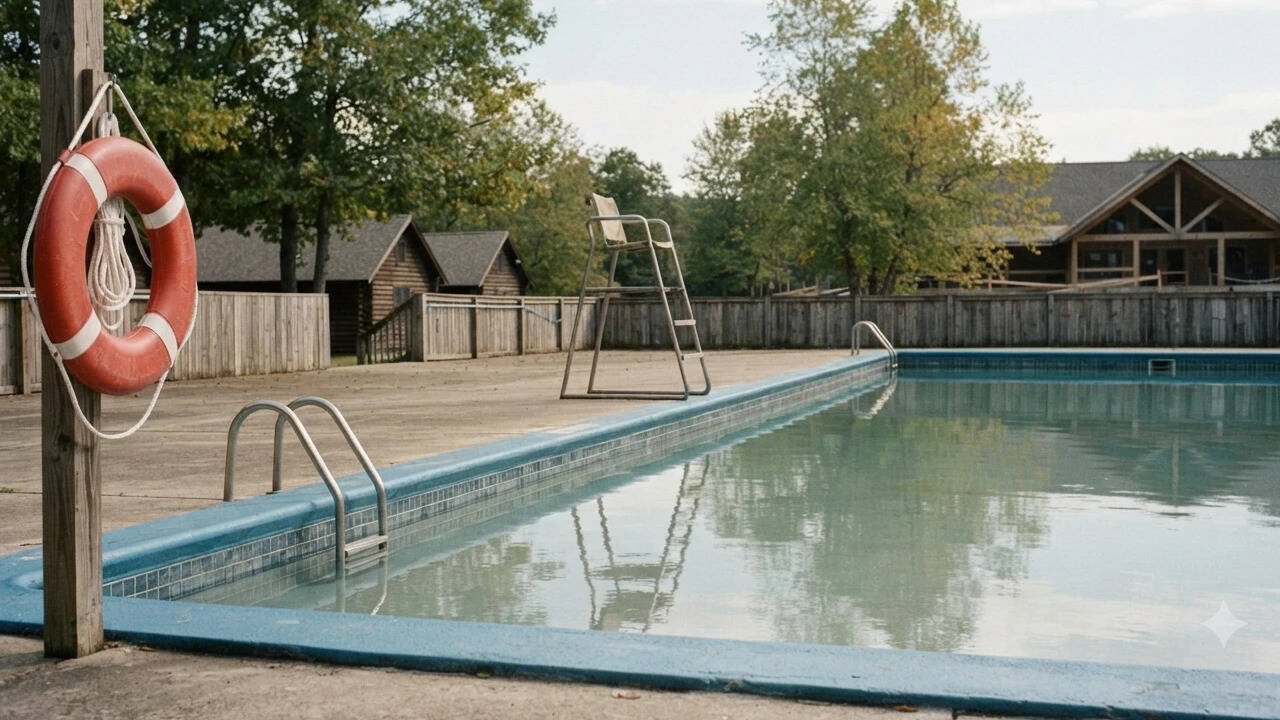
A Virginia summer camp program that was intended to teach a nine‑year‑old how to swim has become the focus of a $100 million wrongful‑death lawsuit after the boy drowned on his first day. King Sha’Mar Overton died on June 15 at SwimRVA, a camp in Henrico County near Richmond, according to the Courthouse News Service. His mother, LaTaisha Johnson, had enrolled him so he could learn to swim before a planned trip to South Carolina. She told the camp staff in person and in writing that he could not swim and expected the facility to provide a safe environment.
The family alleges that the camp failed to protect Overton. During a free‑swimming session, he entered the pool without a swimming partner or direct supervision. He was underwater for at least ten minutes before another child noticed him. The family says inadequate supervision and problems with the pool’s safety arrangements caused his death.
Attorney Ben Crump filed the lawsuit on October 16 on behalf of Johnson and Overton’s sister, Khalil Hart. The complaint names SwimRVA, its counselors and lifeguards, accusing them of gross and willful negligence. Attorney Mark Krudys represents the family.
Key issues raised include the number and positioning of lifeguards. Krudys says the pool was required to have at least two lifeguards on duty, but only one was present when the child drowned. He also says the lifeguard on duty was not looking toward the shallow end and that the chair assigned to that section had been left unattended on several occasions. The family points to a large inflatable play structure in the middle of the pool, which they say may have obstructed the lifeguard’s view of the shallow end.
Witnesses from another group using the pool reported seeing several camp employees talking to one another rather than watching swimmers shortly before the drowning. The family argues that the combination of inadequate supervision and the obstruction inside the pool raises questions about how the facility monitored children during swimming activities.
Rescue attempts failed to revive the boy. Overton was eventually pulled from the water by a person who was not employed by SwimRVA. An off‑duty nurse who happened to be at the pool attempted CPR for about ten minutes, but the child could not be saved. Krudys described the condition in which Overton was found, noting water and foam in his mouth and lungs filled with water.
The family also raised concerns about the facility’s response to the emergency. A teacher from a different group said a man who appeared to be a SwimRVA manager asked another employee whether a swimming competition would have to be cancelled while paramedics were attending to Overton.
State licensing is another issue. Johnson learned after her son’s death that the program had been running without a state licence, meaning state inspectors had not visited the facility. Krudys argues that a licensing inspection could have identified potential safety concerns, including the placement of the inflatable structure. The Virginia Department of Education said SwimRVA was operating in a capacity that required a licence. The facility subsequently changed its operating hours to avoid the licensing process.
SwimRVA continued operating for the remainder of the summer after Overton’s death. Less than a month later, a poolhouse at the same location caught fire, which officials described as accidental.
The family’s legal action also follows concerns about the camp’s response after the incident. Krudys alleges that SwimRVA and its staff did not cooperate with the Henrico Commonwealth’s Attorney’s Office and did not speak to Overton’s family. Crump said the circumstances of the child’s death prompted him to take the case, believing the lawsuit could help prevent similar incidents. At a press conference outside the Richmond courthouse, he questioned how a child could drown at a facility offering swimming lessons while instructors and other staff members were present. The complaint seeks $100 million in damages and accuses the camp and its employees of negligence. Krudys said the family would continue pursuing accountability even if prosecutors did not take action.