India
Supreme Court Calls for State Action on Unauthorised Building Violations
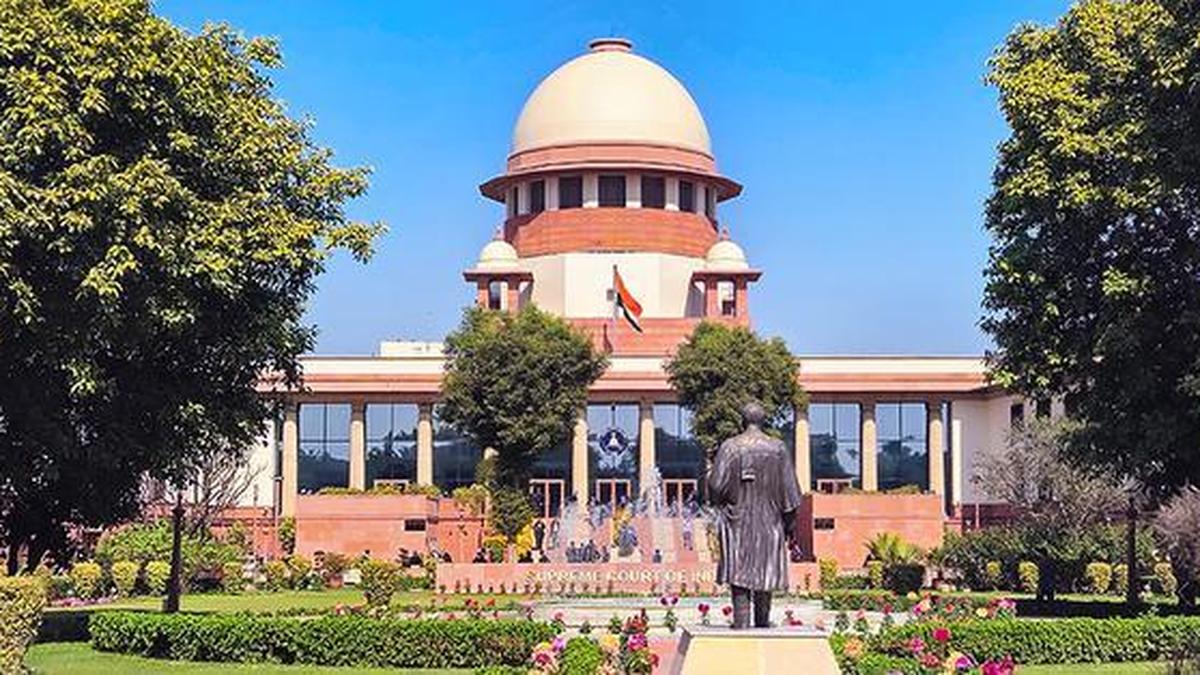
The Supreme Court on Monday, November 23, 2026, noted that unauthorised constructions often thrive with the “active connivance” of civic authorities, hoping that State governments will eventually regularise them, especially before elections. Justices B.V. Nagarathna and Sanjeev Sachdeva, hearing a case from Tamil Nadu about construction that violated land‑use norms and building bye‑laws, urged States and Union Territories to suggest ways to tackle such flagrant violations. The Bench had previously expanded the case to examine similar breaches nationwide and had issued contempt notices to officials who failed to comply with its directions.
The Bench, reassigned to Justice Nagarathna by Chief Justice Surya Kant, highlighted the “practical difficulties” of monitoring building bye‑law violations across the country, citing differing regulations in each State and Union Territory. It said that issuing common orders would be impractical and could lead to legal chaos, with private parties seeking relief from the Supreme Court and municipal authorities potentially overriding stays from tribunals or High Courts.
Consequently, the Bench limited its intervention to seeking suggestions from State governments on addressing flagrant violations and inaction by civic authorities. It clarified that actions taken by civic authorities under earlier orders could be challenged in the appropriate forum and that the pending proceedings would not prevent municipal corporations from acting lawfully.
The Bench emphasized that cities are shared civic spaces and that compliance with building regulations is an elementary expression of the fundamental duties enshrined in the Constitution. It stated that it would issue further directions to strengthen the powers of municipal authorities and State governments in combating such violations. The matter is scheduled for a further hearing on January 6, 2027, when the court will review the suggestions submitted by the respective State governments.