India
Uttarakhand Gears Up for 2027 Elections as Agnipath Scheme Faces Scrutiny
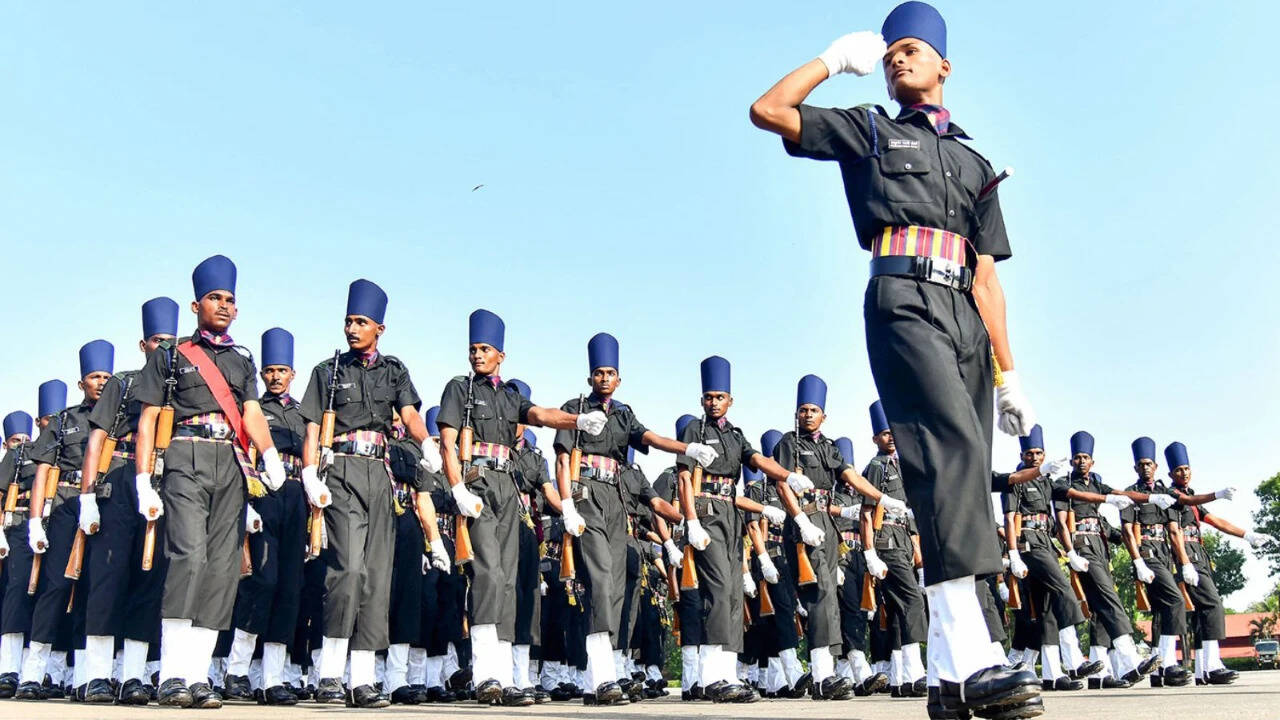
Uttarakhand, a state with a long tradition of military service, is preparing for the 2027 assembly elections amid renewed debate over the Agnipath recruitment scheme. On 4 November 2026, the central government extended the tenure of Agniveers from four to six years, adding an optional two‑year extension after the initial four years. The revised scheme offers higher pay, a larger Seva Nidhi package and a chance for permanent enlistment at six years, subject to selection criteria.
The first batches of Agniveers are nearing the end of their initial four‑year term. In response, the Uttarakhand government has announced a 10 % horizontal reservation for former Agniveers in certain uniformed Group C posts, including police, fire, prisons, forest and excise services. Additional measures include relaxed recruitment norms, an Agniveer employment cell and free pre‑recruitment training.
Military service has historically provided Uttarakhand’s hill communities with stable income, social prestige and a pathway to support families. The Agnipath scheme, introduced in June 2022, replaced regular recruitment below officer rank with a four‑year contract, retaining only 25 % of recruits permanently. Critics argued that the lump‑sum Seva Nidhi payout and lack of pension could not replace long‑term security.
Former Uttarakhand Kranti Dal president and ex‑MLA Pushpesh Tripathi has highlighted the economic impact of military recruitment and questioned the shift to a contractual model. He urges that the government improve the existing system rather than replace it.
Politically, the scheme has become a focal point. The BJP, aiming to win more than 60 seats in 2027, points to the central government’s revisions and the state’s employment measures as evidence of addressing concerns. The Congress, which has opposed Agnipath since its launch, criticises the scheme’s impact on families and the disparities between regular soldiers and Agniveers in pensions, medical facilities and other benefits.
As the election approaches, the debate will centre on whether the revised provisions and employment measures deliver the opportunities promised to young recruits. The outcome will be judged by how effectively the changes support former Agniveers in securing permanent military or civilian employment.
Prisha Patnaik, journalist with The Times of India, reports on the political implications of Agnipath for Uttarakhand’s 2027 elections.