India
MLFF Tolling Boosts Revenue by Nearly 20% at Seven Indian Highway Plazas
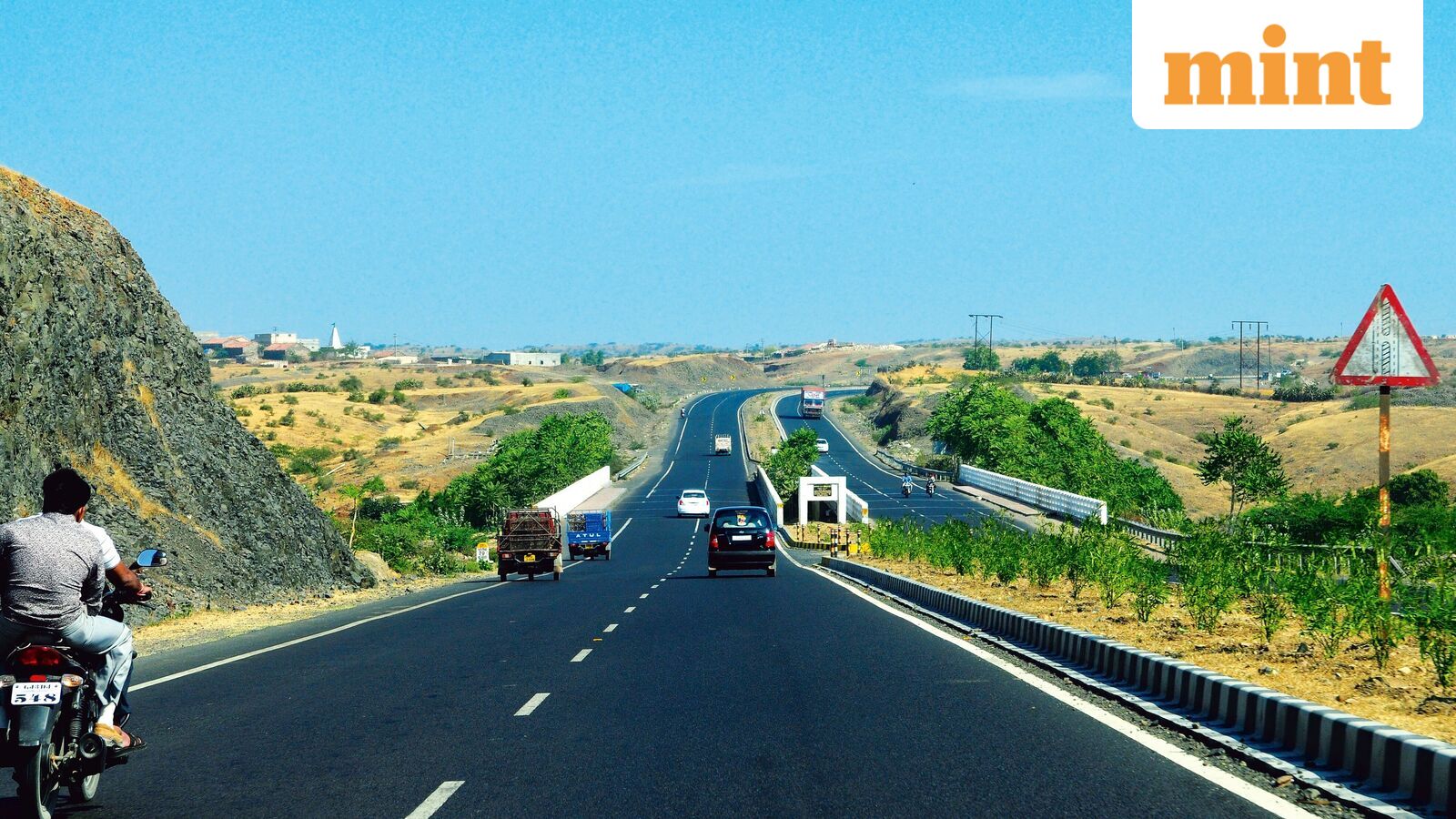
The National Highways Authority of India (NHAI) reported a nearly 20% rise in net toll revenue at seven national highway fee plazas after switching to barrier‑less tolling. Between May and October, the plazas collected a combined net toll revenue of ₹538.95 crore, compared with ₹449.72 crore during the corresponding pre‑MLFF periods, according to a statement from the Ministry of Road Transport and Highways (MoRTH). The Multi‑Lane Free Flow (MLFF) system uses automatic number plate recognition (ANPR) cameras and FASTag‑based electronic identification to collect tolls without requiring vehicles to stop at physical barriers. MoRTH data show revenue increases ranging from 15.66% to 26.95% across the seven plazas. The first MLFF plaza opened at Choryasi in Gujarat on 1 May 2026.
The transition is expected to reduce congestion, fuel consumption and emissions while improving transparency in toll collection. However, enforcement challenges have emerged, with some motorists masking, concealing or tampering with vehicle registration plates to evade payment. NHAI is coordinating with state governments and enforcement agencies, establishing police checkpoints, deploying AI‑based vehicle fingerprinting, and integrating its systems with the VAHAN vehicle registration database to identify defaulters. Electronic notices are issued to recover unpaid tolls, and persistent defaulters may face restrictions on VAHAN‑related services under the prescribed enforcement framework. Around 60% of the value of electronic notices issued across operational MLFF plazas has already been recovered, indicating the effectiveness of digital enforcement.
NHAI has invited bids to introduce the system at about 100 additional toll plazas, with another 300–400 expected to be taken up for bidding during the current financial year. The government aims to complete the transition across approximately 1,150 national highway toll plazas by the end of FY28, replacing conventional toll barriers with technology‑enabled collection and enforcement. The early revenue gains could strengthen the case for accelerating MLFF implementation across India’s national highway network, though sustaining similar gains across the wider network will depend on reliable vehicle identification, payment compliance and effective enforcement.
Frequently asked questions
What was the revenue increase after MLFF implementation?
Net toll revenue rose nearly 20%, from ₹449.72 crore to ₹538.95 crore between May and October.
Where and when did the first MLFF plaza open?
The first MLFF plaza opened at Choryasi in Gujarat on 1 May 2026.
What enforcement measures are in place to prevent toll evasion?
NHAI has established police checkpoints, deployed AI‑based vehicle fingerprinting, integrated with the VAHAN database, and issues electronic notices; persistent defaulters may face restrictions on VAHAN services.