Law & Justice
Supreme Court Grants Bail to Life Convict in 2002 Godhra Train Burning Case on Medical Grounds
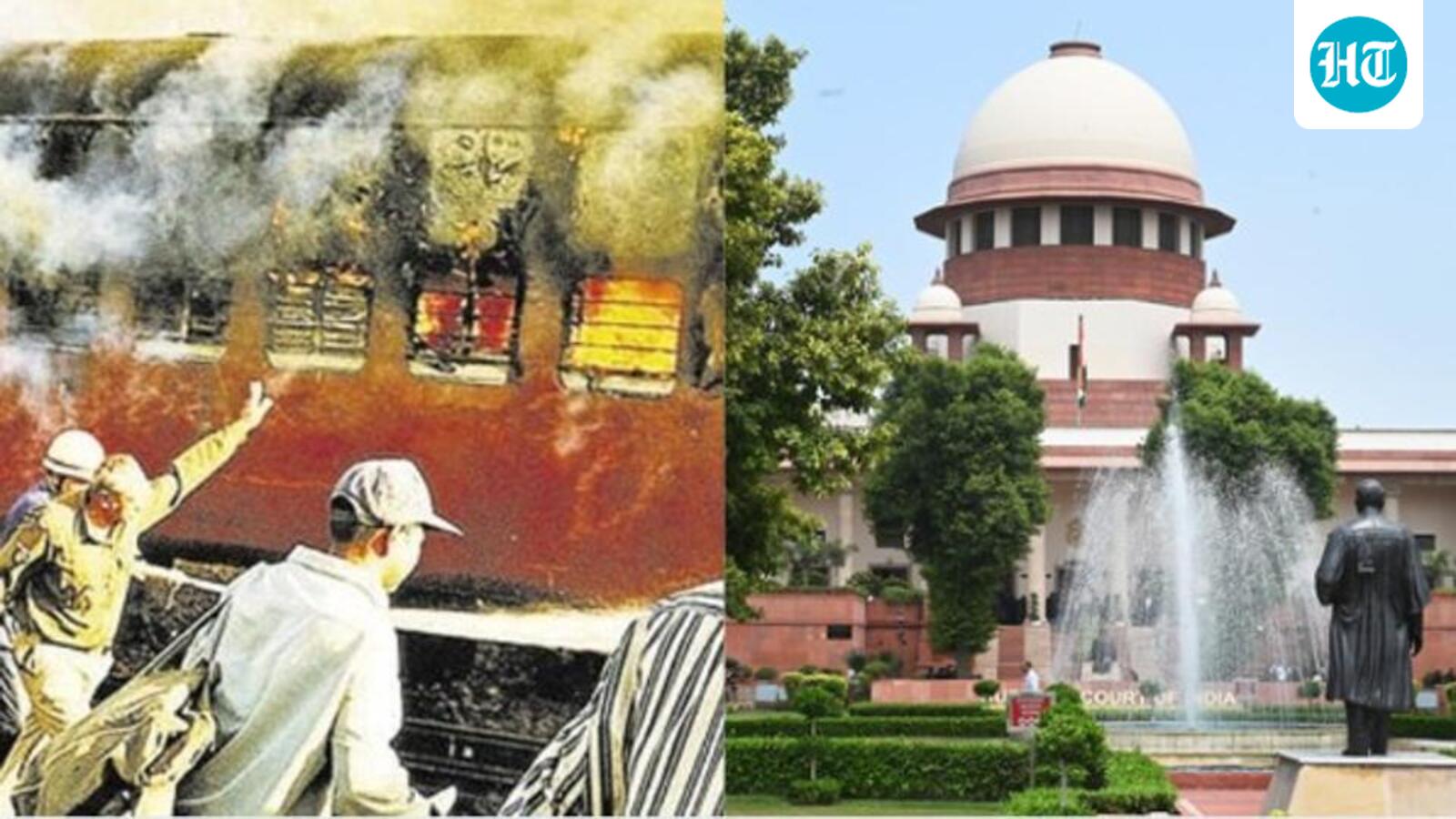
The Supreme Court on Monday granted bail to Irfan Siraj Pada, a life‑convicted offender in the 2002 Godhra train burning case, citing medical reasons. Pada, who was accused of pelting stones at and setting fire to the S6 coach of the Sabarmati Express, killing 59 passengers, had been in custody for more than 18 years. The bench, consisting of Justices MM Sundresh and PB Varale, noted that the state confirmed Pada’s heart ailments and that he was receiving adequate medical care, including treatment at a government super‑speciality institute.
The state, represented by Gujarat standing counsel Swati Ghildiyal, argued that the offence was of the gravest nature and that Pada had not maintained good conduct in jail. Ghildiyal cited a record of a 14‑day parole in October 2019 during which Pada failed to surrender and remained absconding for 372 days. He was re‑arrested in October 2020 in connection with another case. The state also mentioned an incident in September where Pada allegedly used abusive language against jail staff and attempted to attack a prison official with a carrom board, leading to a three‑month withdrawal of his canteen facility.
Pada’s lawyer, senior advocate S Nagamuthu, and advocate Qurratulain stressed that the bail request was solely on medical grounds. They highlighted that Pada suffers from serious heart ailments. The state had previously described his conduct as “not good” and noted that his remission plea was rejected while his appeal was pending.
Despite having been granted interim bail on three occasions to attend family functions under police escort, the Supreme Court decided to grant suspension of the sentence on medical grounds, taking into account the factual scenario presented by the state and the medical condition of the petitioner.
Frequently asked questions
Why did the Supreme Court grant bail to Irfan Siraj Pada?
The Court granted bail on medical grounds, noting his heart ailments and that he was receiving adequate medical care, including treatment at a government super‑speciality institute.
What was the conviction for which Irfan Siraj Pada was sentenced to life?
He was convicted for stone pelting and setting fire to the S6 coach of the Sabarmati Express in the 2002 Godhra train burning case, killing 59 passengers.