Sports
India Captain Gill Questions ICC’s Saliva Ban After Wellington Draw
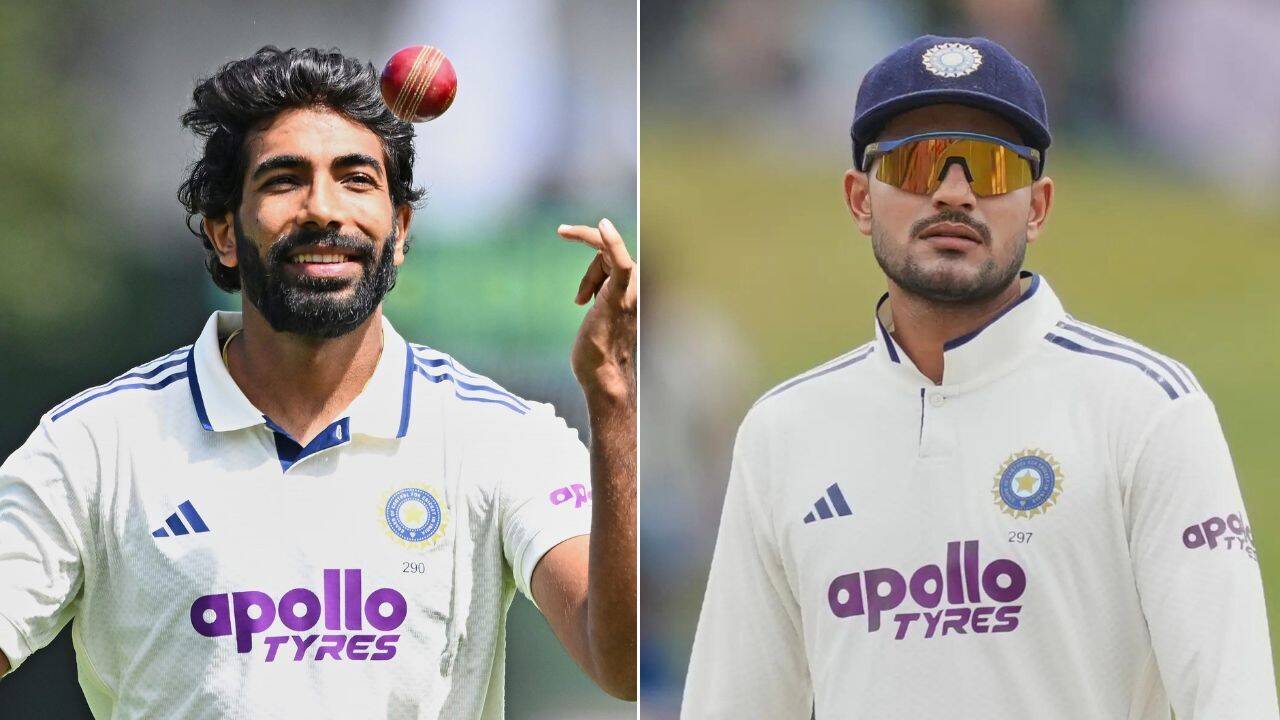
India captain Shubman Gill questioned the International Cricket Council’s decision to keep the ban on using saliva to shine the ball, saying the restriction no longer makes sense several years after the Covid‑19 pandemic. His comments followed India’s draw with New Zealand in the opening Test at Wellington. "I don’t know why ball shining (using saliva) is not allowed. It’s been years since Covid‑19 pandemic passed, I don’t know why it’s not allowed now," Gill said in the post‑match press conference.
The ICC introduced a temporary ban on saliva use in May 2020 during the pandemic, allowing players to use sweat to polish the ball. The ban was made permanent in September 2022 to reduce the risk of Covid‑19 transmission. Bowlers use saliva and sweat to polish one side of the ball, creating a difference that helps it swing in the air. Saliva has traditionally helped fast bowlers generate reverse swing, especially in dry conditions and with an older ball. The practice is more significant in red‑ball cricket than in ODIs or T20s because the ball remains in use for a longer period.
Gill admitted the draw was frustrating for India, who were unable to secure a win despite putting New Zealand under pressure. It was their second consecutive drawn Test after a draw with Sri Lanka in Colombo in August. "It’s frustrating because we didn’t get the result we wanted. Nowadays draws are not common, we are not used to draws," he added.
India’s bowlers spent long hours trying to take the remaining New Zealand wickets on the final day, but the Basin Reserve pitch offered little assistance. Daryl Mitchell and Glenn Phillips held firm to help the hosts secure a draw. New Zealand resumed the day at 119/2 and finished their second innings at 239/5. Mitchell remained unbeaten on 49 off 187 balls, while Phillips scored 26 not out off 126 deliveries. It was only the second drawn Test at the Basin Reserve in 15 matches since 2015. The previous one came in December 2018 when Sri Lanka, after conceding a 296‑run first‑innings lead, reached 287/3 in 115 overs in the third innings.
The result further affected India’s chances of qualifying for the World Test Championship final. Their points percentage dropped from 51.52 to 50, although they remained fourth in the standings. New Zealand slipped from second to third with 66.67 per cent. South Africa continued to lead the table with 75 per cent, while Australia moved up to second place with 69.23 per cent.
There was a strong breeze and some cloud cover during the day, but the pitch remained easy for batters to play on. New Zealand’s batters were able to defend and play through the line without having to deal with uneven bounce. Mitchell and Phillips, both known for their white‑ball batting, showed their defensive skills as Gill rotated his bowlers without finding a breakthrough.
Frequently asked questions
Why did Shubman Gill question the ICC's saliva ban?
Gill said the ban no longer makes sense several years after the Covid‑19 pandemic and questioned why ball shining with saliva is not allowed.
How did the draw affect India’s World Test Championship standings?
India’s points percentage dropped from 51.52 to 50, but they remained fourth; New Zealand slipped from second to third; South Africa stayed first; Australia moved up to second.