Technology
Omnissa CEO Highlights Need for Strict Guardrails as AI Agents Gain Autonomy
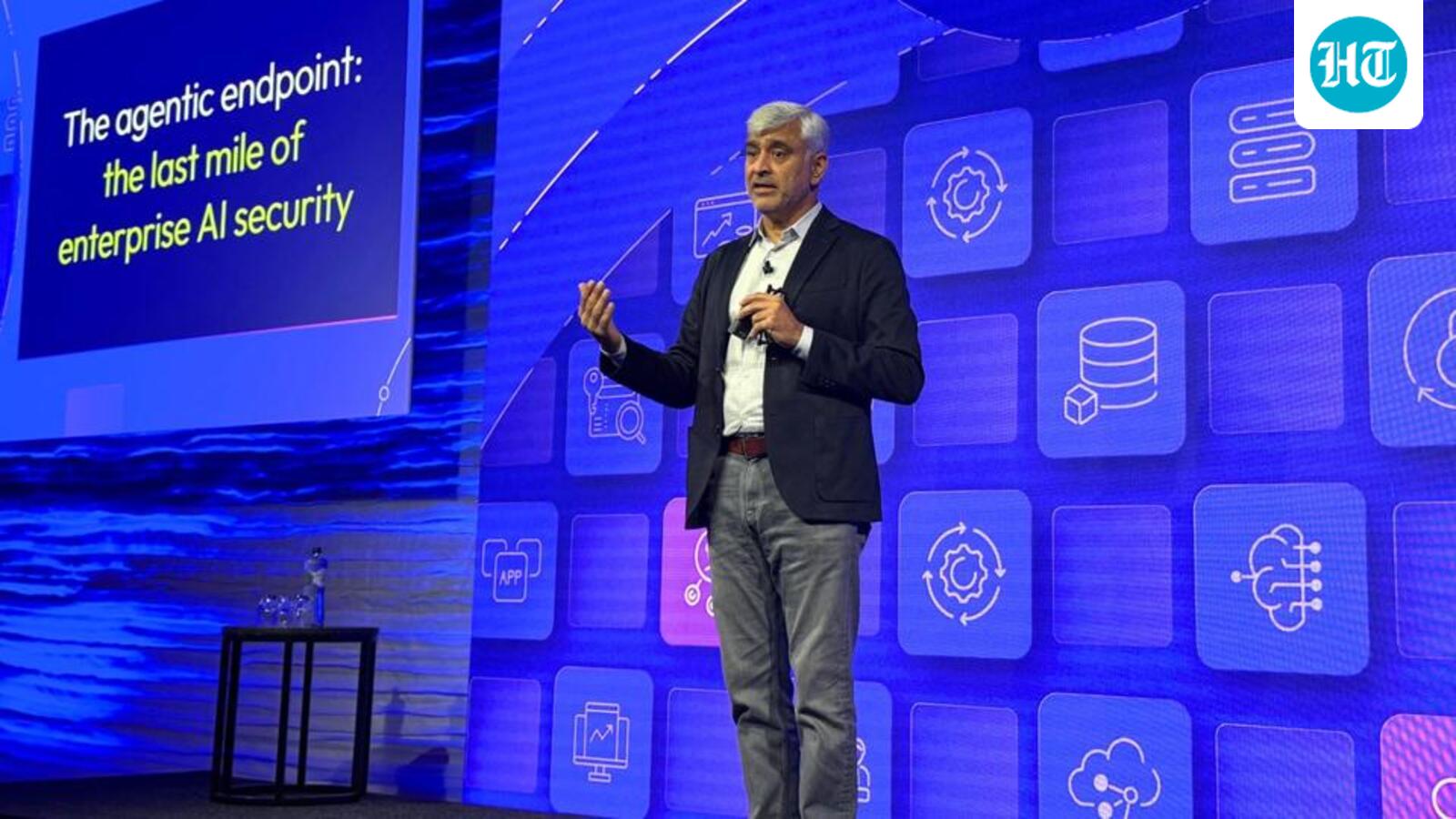
Vishal Mathur, Technology Editor for Hindustan Times, reports that Omnissa’s CEO, Amit Singh, says enterprises must set strict upfront guardrails to keep humans in control as AI agents act at machine speed. Earlier this month, Omnissa announced that its Omnissa Sovereign Solution (OSS) would expand to six new markets in Europe and Asia, a move that will affect how companies govern their AI stacks. Singh notes that the current cybersecurity landscape, with rapid vulnerability exploitation, makes speed a critical factor. In an organization’s AI setup, agentic systems can access applications, files and credentials, forcing enterprises to decide what access or profiles to allow and whether to rely on open‑source or closed models.
"Beyond AI governance, sovereignty is another important consideration as organisations adopt AI," Singh said. He added that for many customers it is no longer just about where data resides, but also who controls the infrastructure and where AI agents operate.
Over the past two decades, enterprise computing has evolved from desktops to mobile devices, then to cloud‑based and hybrid work environments. With AI agents now entering the picture, the biggest change is that AI is moving from something we use to something that acts on our behalf. Agents can open applications, access files, use credentials and take actions inside the enterprise, turning a laptop that once supported one employee into a platform for dozens of agents.
Singh described the endpoint as the last mile of enterprise AI security. The model may run elsewhere, but when an agent needs to get real work done, it must interact with the enterprise. This creates three key considerations for IT architecture: 1) accounting for agents as a new actor with its own access, behaviour and risk profile; 2) deciding whether to rely on open‑source or closed models; and 3) choosing where to host AI infrastructure—public cloud or a sovereign cloud.
He said businesses want AI agents that can operate independently, while security teams want greater control and predictability. The two ambitions can coexist if enterprises give agents room to operate within clearly defined boundaries, with people still making the most consequential decisions. Boundaries should not depend on perfect agent behaviour; instead, organizations must define what an agent can access and when a human must intervene.
In September, Omnissa launched a new Elara AI governance layer, and in November it expanded OSS to more markets. Singh explained that Elara addresses the challenge of enterprises having many systems capable of taking action, while AI agents begin to operate across several of them simultaneously. Elara aggregates signals across users, identities, devices, applications and AI so organizations can apply policy with a broader view, discover shadow AI, set guardrails around approved AI use and review high‑impact agentic changes before execution. It also creates a record of what happened afterward, which is important for accountability and audit.
Regarding sovereignty, Singh said the OSS gives customers greater control over where and how their digital workplace is managed, keeping data, service operations and support within their jurisdiction. Organizations can deploy and manage environments in their own data centres or through cloud‑based services, depending on sovereignty requirements.
Singh noted that zero‑trust principles still apply, but agents challenge some assumptions. Human behaviour is predictable and operates at a pace that allows security teams to recognise unusual activity. Agents can act autonomously and execute multiple tasks at machine speed, potentially being redirected after initial authentication. Zero trust for agents must extend deeper into what happens after access is granted, focusing on task‑level permissions, isolation and recovery from a known‑good state. If an agent is compromised, the goal is to limit impact to that task or workspace rather than allow the issue to spread.
Recent cybersecurity incidents show AI improving both offensive and defensive capabilities. Singh said that autonomous security may become a contest of machine speed, where human intervention is too slow to prevent an attack. He emphasized that speed matters more, so organizations cannot rely only on detect‑and‑respond processes that take days or weeks. IT and security systems need to identify and address routine issues quickly while escalating decisions that require judgment. The role of humans shifts to defining acceptable risk, setting guardrails and deciding where approval is required. Systems can then act quickly within those limits, placing more emphasis on prevention and controls that stop a bad action before it escalates.
Frequently asked questions
What new markets will the Omnissa Sovereign Solution (OSS) expand to?
It will expand to six new markets in Europe and Asia.
What is the purpose of the Elara AI governance layer?
Elara aggregates signals across users, identities, devices, applications and AI to set guardrails, discover shadow AI, review high‑impact agentic changes, and create a record for accountability and audit.
How does Omnissa suggest enterprises should manage AI agent access?
By defining strict guardrails that specify what an agent can access and when a human must intervene, ensuring agents operate within clearly defined boundaries.