Politics
Alberto Feijoo Eyes Spain’s Premiership Amid Tight Election Race
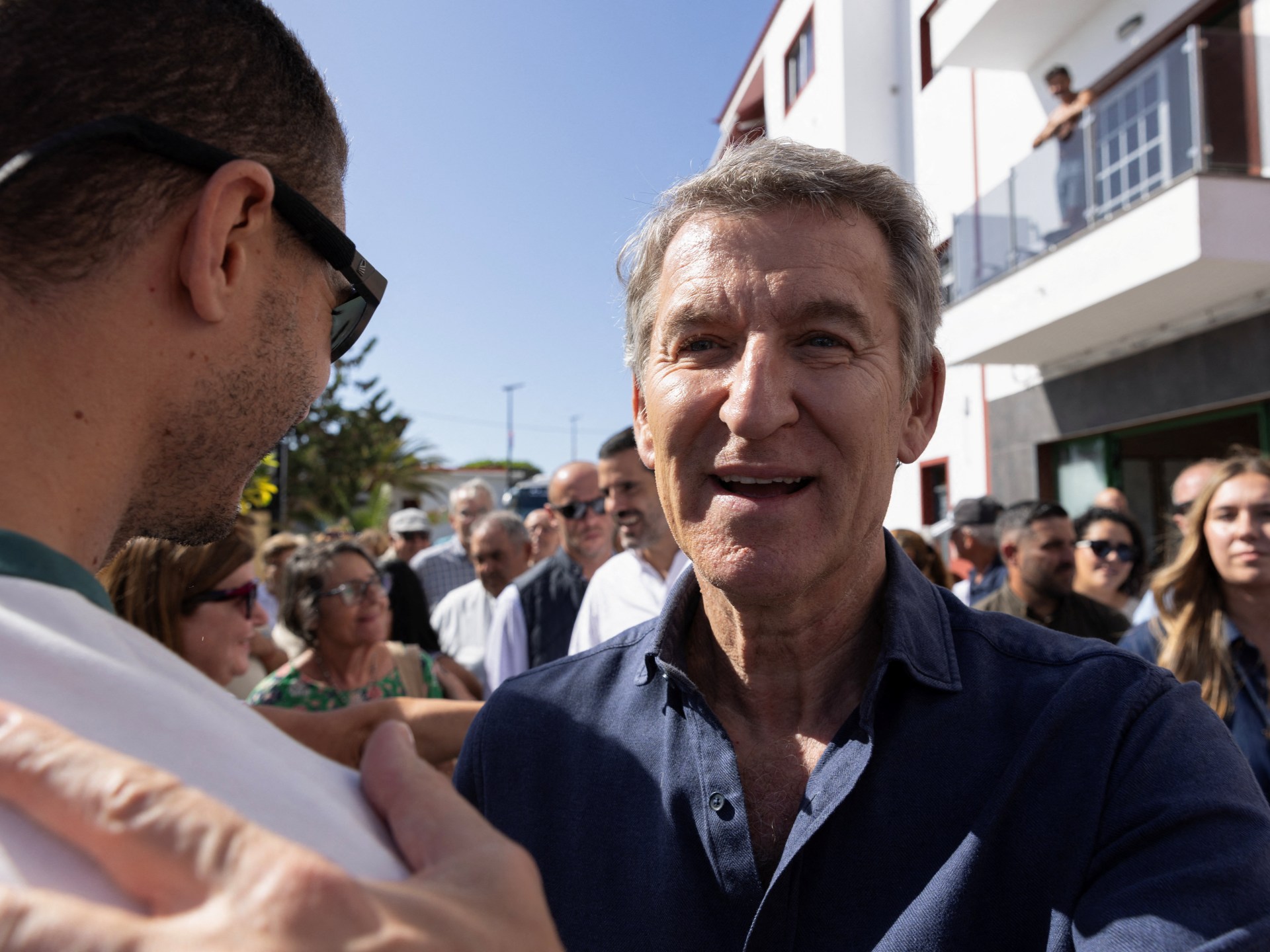
Alberto Nunez Feijoo, the 65‑year‑old former civil servant and current leader of the Popular Party (PP), is positioning himself to become Spain’s next prime minister in the November 29 elections. In a televised debate last week, Feijoo highlighted his experience managing public infrastructure and handling crises, while sharply criticizing Socialist Prime Minister Pedro Sánchez, calling him a “gift to people smugglers.” The debate underscored Feijoo’s strategy of balancing appeals to moderate voters with intensified attacks on Sánchez to prevent a shift toward the far right.
Opinion polls show the PP ahead of the Spanish Socialist Workers’ Party (PSOE) but without an outright majority. The far‑right Vox party, polling third, could provide the parliamentary support needed for Feijoo to govern. Feijoo’s political background includes senior roles in Galicia’s health service, leadership of the state postal service, and tenure as the regional government head from 2009 to 2022, where he secured four consecutive outright majorities.
When the PP chose Feijoo as its leader in 2022, it was seen as a win for the party’s moderates. However, facing competition from Vox, Feijoo has adopted a tougher stance on immigration, corruption, abortion, and has accused the PSOE of being immoral and “indecent.” This shift was evident after the July border crisis in Ceuta, where tens of thousands crossed into Spain; Feijoo criticized Sánchez’s handling of the situation.
The PP traditionally supports stronger border controls while acknowledging the importance of foreign labour. Recent proposals include banning mass regularisations of undocumented immigrants and tightening eligibility for certain benefits based on residence length and social security contributions. Vox’s platform focuses on deportations and “remigration.” Polls suggest that up to 20 percent of PP voters in the 2023 elections may switch to Vox in the upcoming vote.
In the 2023 elections, the PP won 137 seats, the most of any party, but fell four votes short of an absolute majority when combined with Vox’s 63 seats. The PSOE secured 121 seats, and Sánchez formed a coalition with far‑left groups and separatist parties to become prime minister. For the November election, projections show the PP with 127 seats and Vox with 63, giving the two parties a combined 190 seats—14 more than the 176 needed for a majority. Feijoo has expressed a preference for the PP to govern alone with parliamentary support from Vox, though he has left open the possibility of a formal coalition.
Vox has moved from fringe to mainstream, governing with the PP in Andalusia, Aragon, Castile and León, and Extremadura. Regional agreements reveal areas of potential national cooperation, such as shared criteria for regional benefits and housing. However, differences remain, notably over gender‑based violence legislation, where Vox opposed a cross‑party pact that the PP supported.
A recent train crash in Toledo prompted Feijoo to shift his rhetoric toward transportation, infrastructure, and security—issues he feels more comfortable addressing than ideological battles. On foreign policy, Feijoo is expected to distance Spain from Sánchez’s open‑border stance, NATO defence spending commitments, and outspoken positions on Israel and U.S. politics. While he has not committed to the 5 percent defence spending target, he has pledged to strengthen ties with the United States, maintain support for Ukraine, and pursue balanced relations with Morocco and Algeria. The PP’s manifesto frames Spain’s southern border as a European priority and calls for joint European defence purchases.
In the debate, Feijoo concluded with a call for “less talk about Trump, more about trains,” summarizing his focus on domestic issues over international rhetoric.
Frequently asked questions
What positions has Feijoo held before becoming PP leader?
He served in senior roles in Galicia’s health service, led the state postal service, and was the regional government head from 2009 to 2022, securing four consecutive outright majorities.
How many seats did the PP and Vox win in the 2023 elections?
The PP won 137 seats and Vox won 63 seats in the 2023 elections.